

When it comes to red light therapy devices, we often encounter terms like power , wavelength , and dose . However, another crucial factor that is often overlooked is the lens's beam angle . This can significantly influence how the light affects your skin or deeper tissue. In this article, we explain what the beam angle is, how it affects your therapy, and how to choose the right beam angle for your needs.
What is the beam angle?
The beam angle describes how broadly or narrowly the light from an LED device is emitted. It is the angle within which the light is effectively emitted before it gradually loses intensity.
📌 A wider beam angle (e.g. 60° or more) means that the light is scattered further, covering a larger area but with lower intensity.
📌 A narrow beam angle (e.g. 30° or less) concentrates the light more strongly on a smaller area, which increases the intensity and allows for deeper penetration.
How does the beam angle affect your therapy?
The beam angle plays a crucial role in the application of red light therapy and can influence both superficial and deeper tissue treatments.
-
Wide beam angle (e.g. 60° or more):
-
Covers a larger area at once.
-
Ideal for large-area treatments such as skin rejuvenation or muscle regeneration.
-
It offers a more even light distribution , but with lower intensity.
-
Particularly useful when the goal is comprehensive, gentle therapy .
-
-
Narrow beam angle (e.g. 30° or less):
-
It concentrates the light on a smaller area.
-
Ideal for targeted treatments , especially for deep tissue such as muscles, joints or organs.
-
Higher intensity , which leads to deeper penetration of the light.
-
Especially useful when targeted, intensive therapy is desired.
-
How do you choose the correct beam angle?
Choosing the right beam angle depends on your specific goals and the desired application depth.
-
Superficial skin treatments (anti-aging, skin repair):
-
A wider beam angle of 60° or more is ideal, as an even distribution of light over a larger area is desired.
-
-
Deep tissue treatments (muscles, joints, organs):
-
A narrower beam angle of 30° or less is better suited to transport more intense light deep into the tissue.
-
-
Combined therapy:
-
If you want to treat both superficial and deeper tissue layers, a device with variable lenses or a combination of 30° and 60° beam angles is ideal.
-
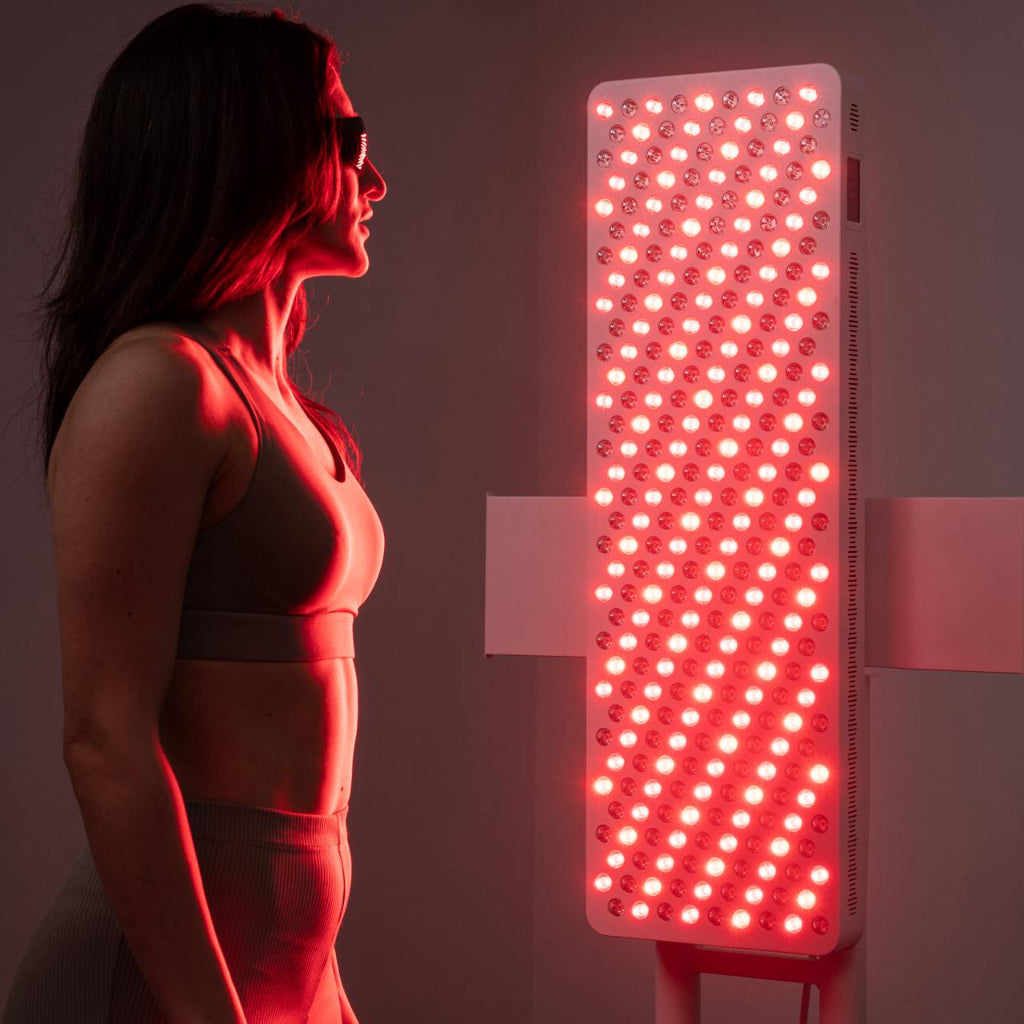
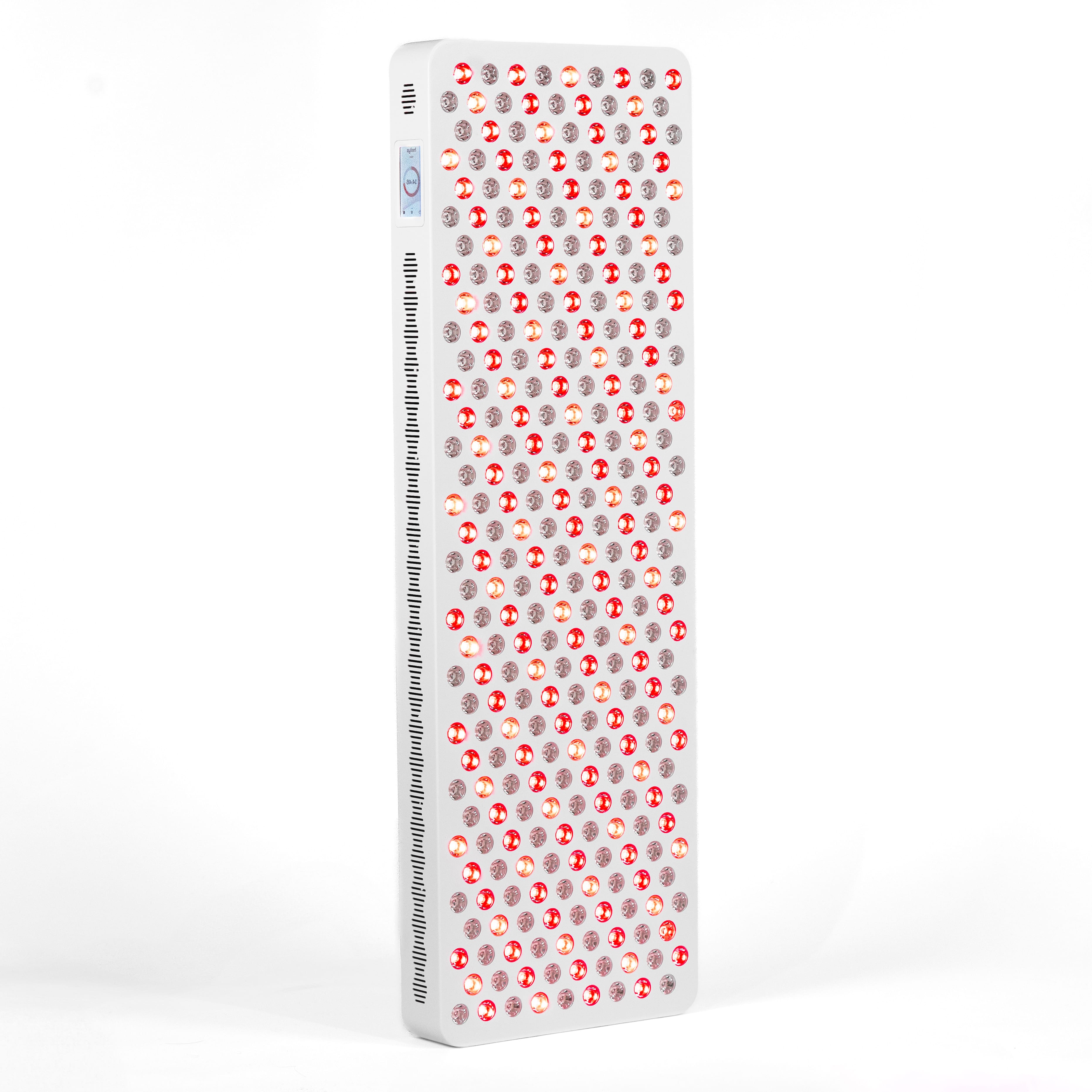
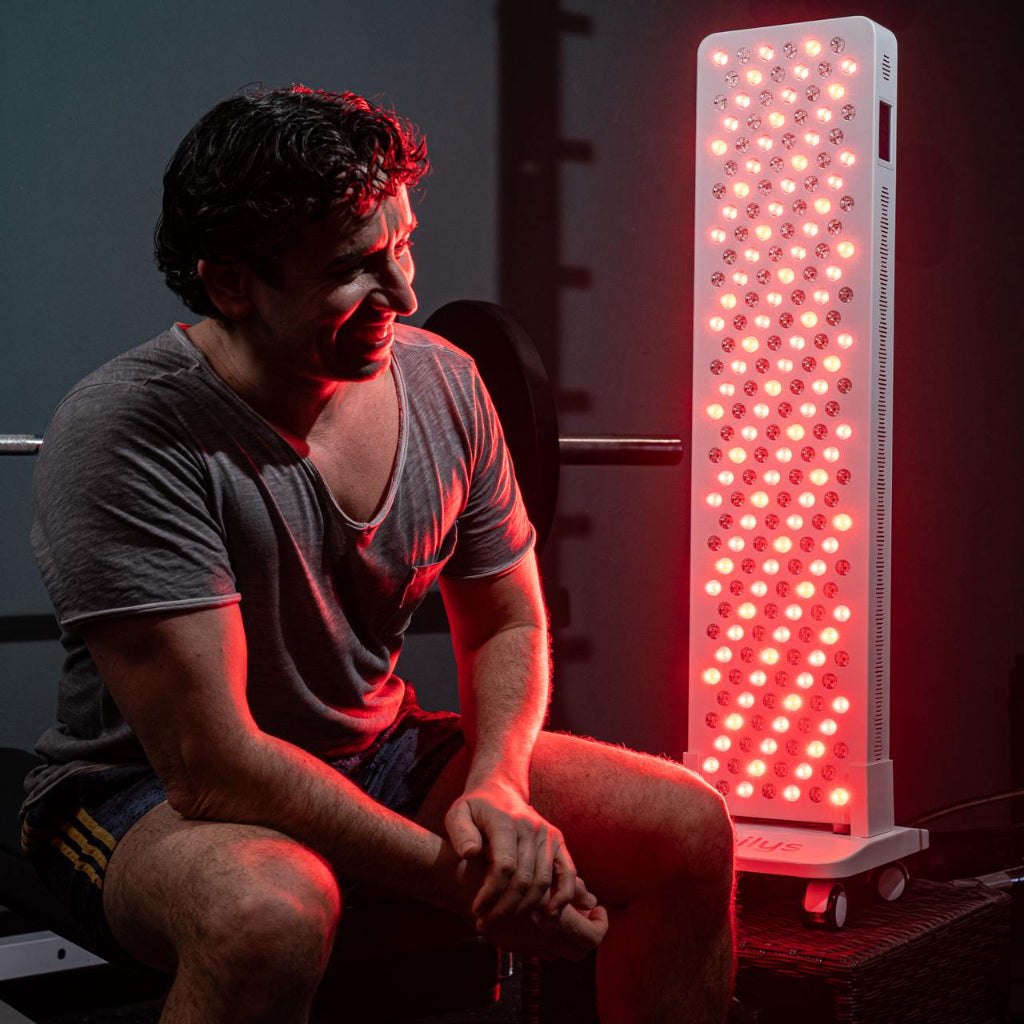
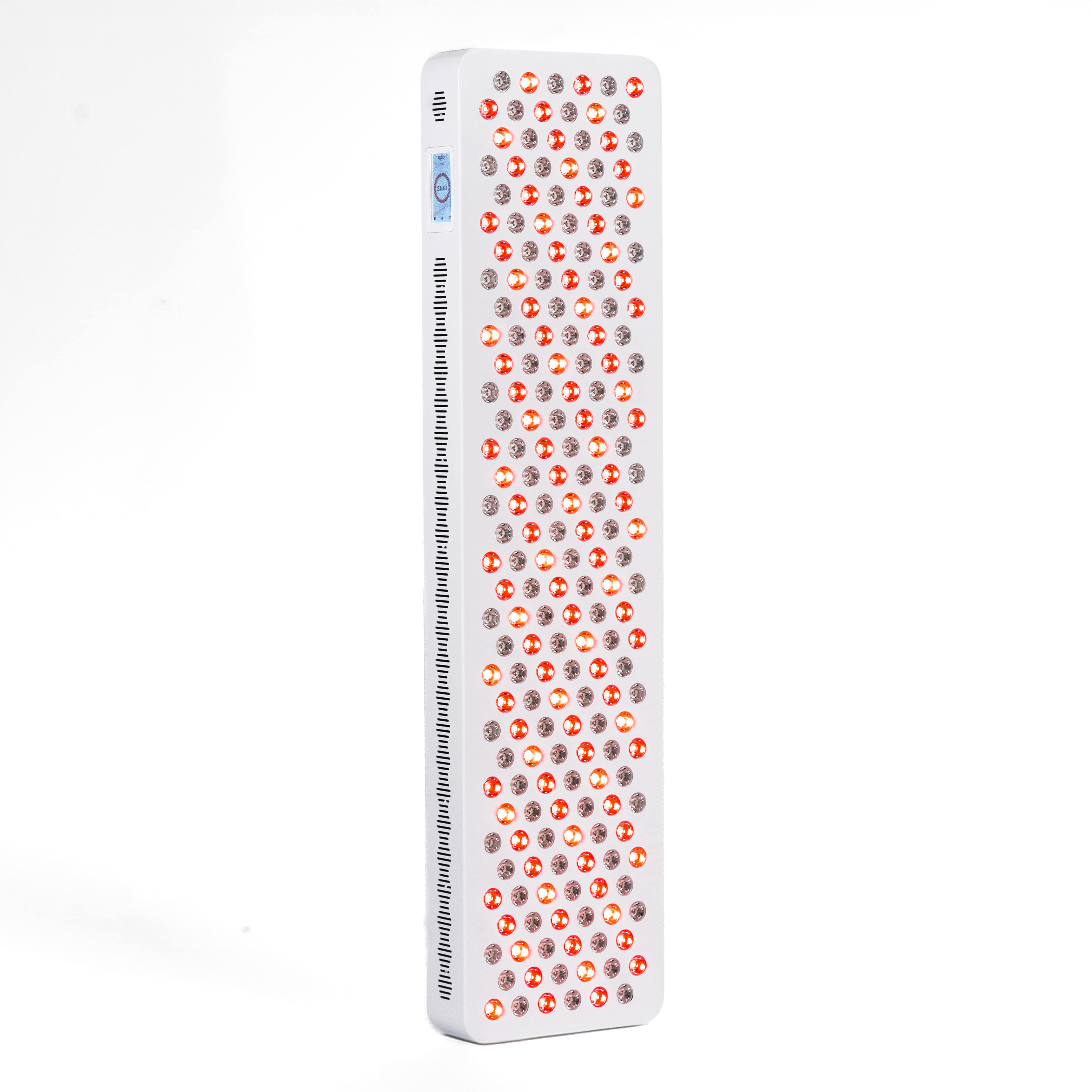
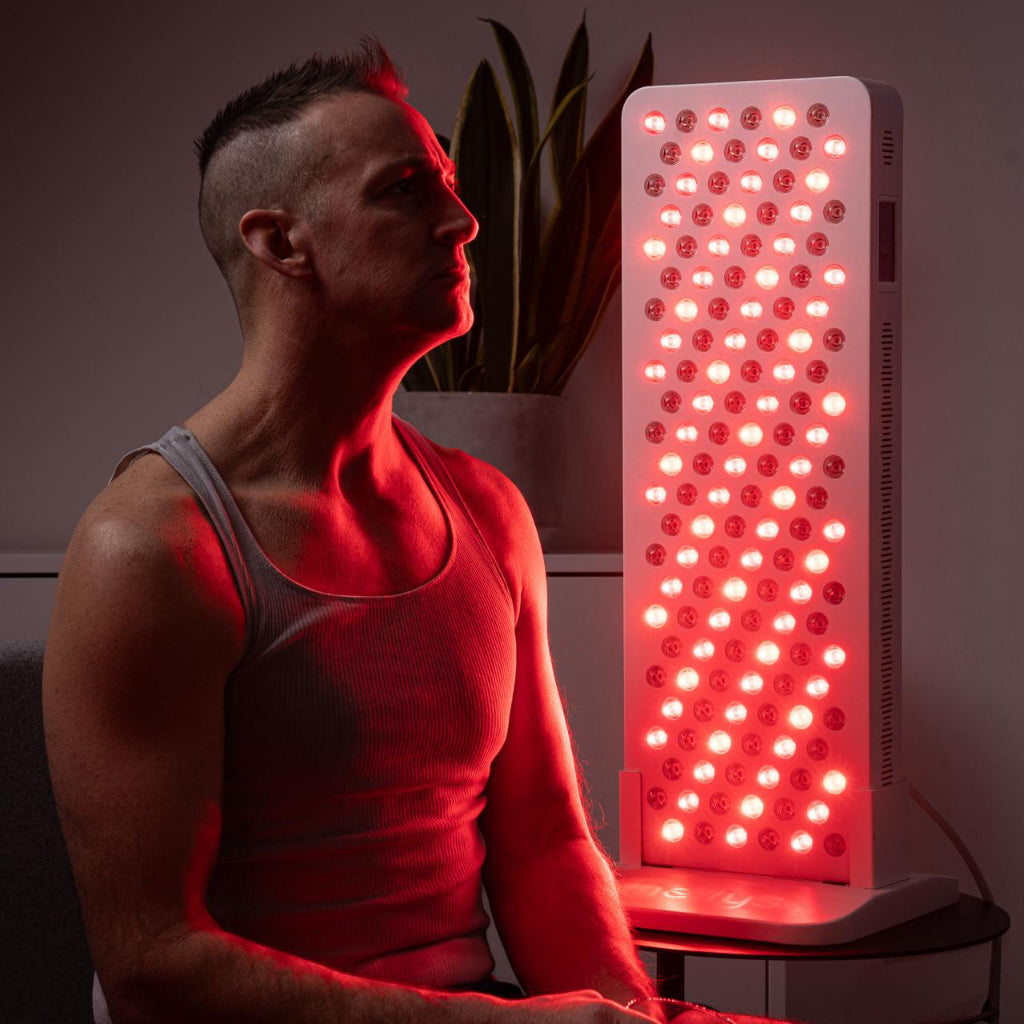
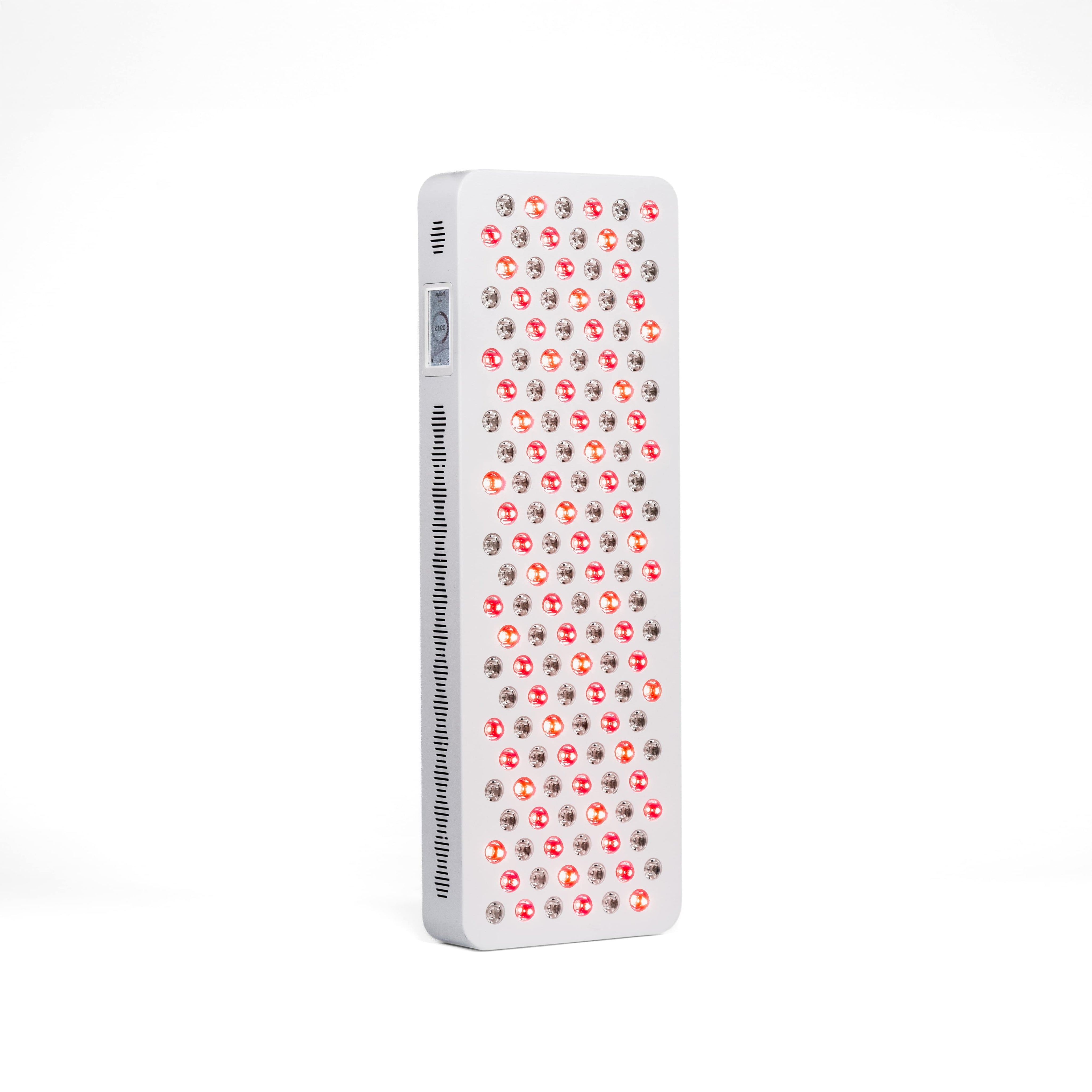
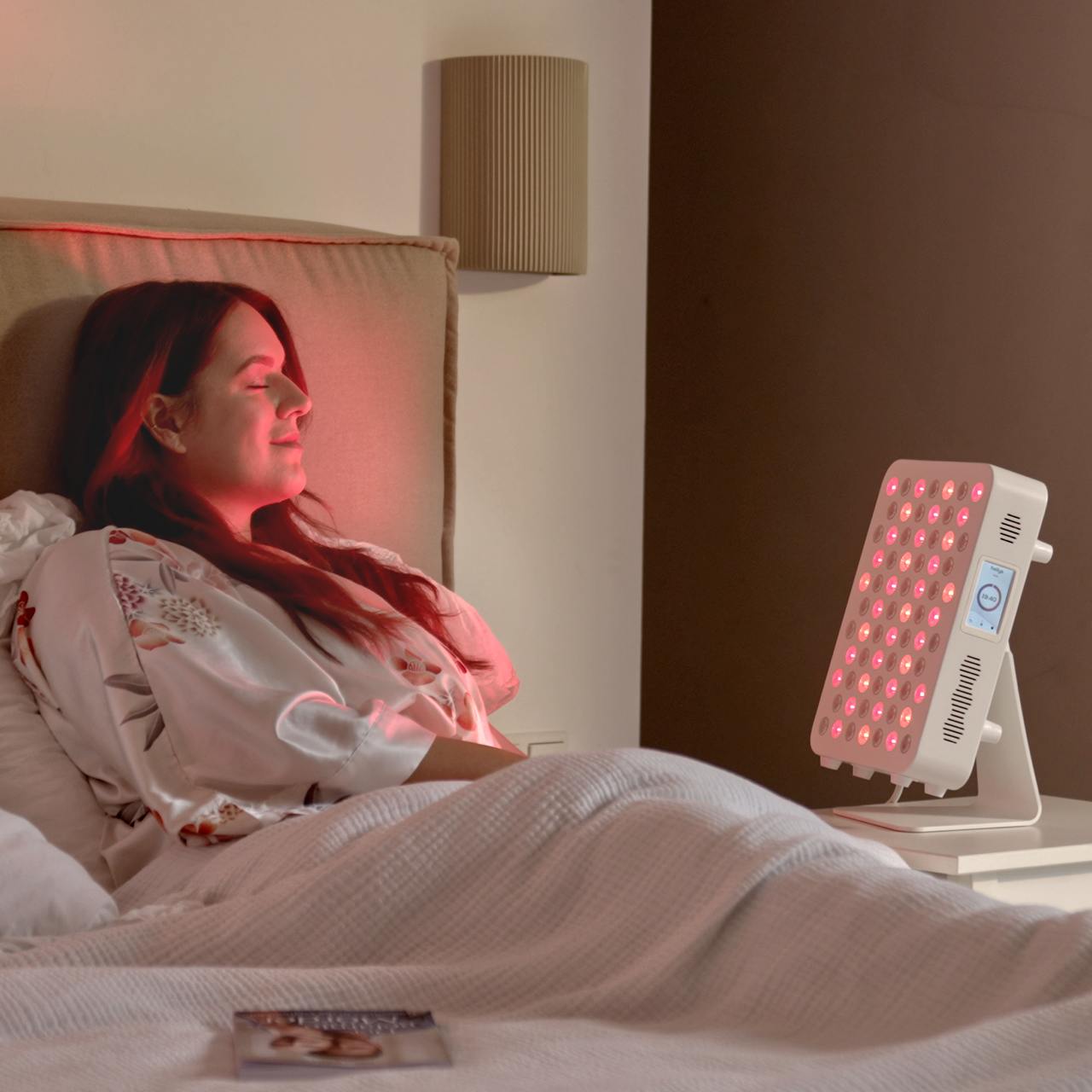
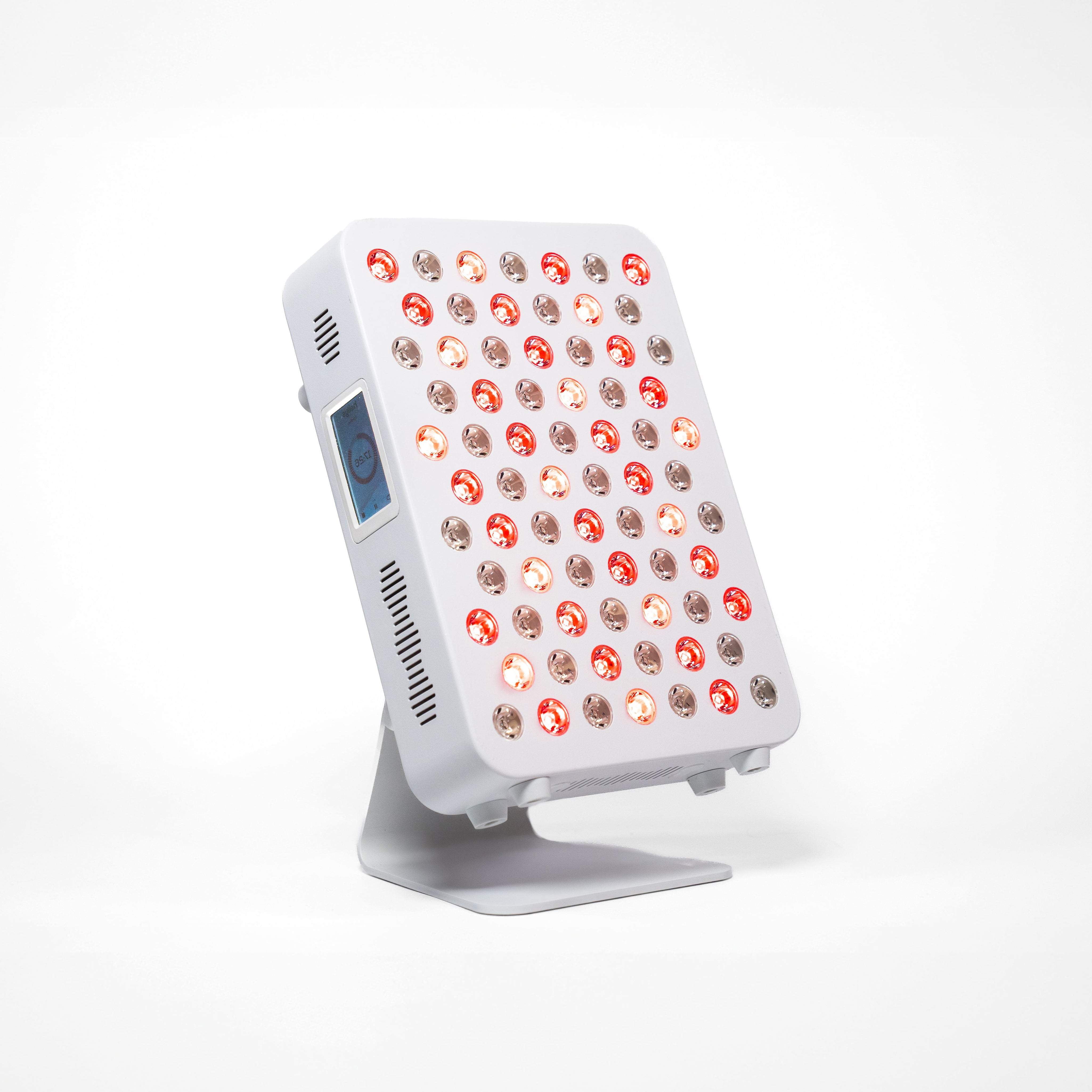
heilys Panels: Optimal combination of 60° and 30° beam angles
Our heilys panels specifically utilize two different beam angles to optimally treat both superficial and deeper tissues:
-
Red light (630nm, 660nm, 670nm): With a 60° beam angle, it achieves even and effective coverage of large areas. This is ideal for applications such as skin rejuvenation, skin healing, and collagen production, where gentle, even irradiation is desired.
-
Infrared light (810nm, 830nm, 850nm): With a 30° beam angle , the light is projected more focused onto deeper tissues, resulting in higher intensity and deeper penetration. This is particularly effective in treating muscles, joints, and organs.
This combination allows for precise control of the therapy by covering both broad and focused areas. This maximizes the biological effect and offers versatile application possibilities for different needs.
Conclusion: Wide vs. Narrow – Which beam angle is the right one?
-
For large-area applications such as skin rejuvenation or muscle regeneration, a wide beam angle is ideal.
-
For targeted applications in deeper tissue, a narrow beam angle is more suitable.
-
The combination, as with heilys Panels , offers the perfect balance between area-wide and focused light therapy.
With this well-thought-out design solution, heilys enables optimal application for a variety of therapeutic goals.
Want to learn more about how to best use our panels? Read on on our blog!