

- Common causes of sleep problems
- Red light therapy: Function and basics
- How red light therapy supports sleep
- Practical application tips for red light therapy
- Scientific background on effectiveness
- Conclusion and product recommendations
Do you know that feeling of just not being able to wind down in the evening or waking up repeatedly during the night? You're not alone – sleep problems affect countless people worldwide and can significantly impact daily life. The search for a solution often ends in frustration, especially when home remedies or tips don't have the desired effect. But what if there were a gentle and natural method that could support your sleep in a completely new way – without resorting to medication? This is precisely where red light therapy (RLT) comes in. Through the targeted application of red and near-infrared light, it helps your body regain balance, improve your sleep, and boost your overall well-being. In this article, I'll show you how red light therapy can pave the way to restful nights.
Common causes of sleep problems
Sleep problems can manifest in many forms and affect every aspect of your life—from your energy levels to your ability to concentrate. Whether you struggle to wind down in the evening or wake up repeatedly during the night, the causes are often complex. Common sleep disorders include restless legs syndrome, sleep apnea, insomnia, and problems with the sleep-wake cycle. Each of these disorders can significantly impact your quality of life.
Is your sleep-wake cycle out of sync?
The circadian rhythm, also known as your internal clock, controls when you get tired and when you wake up. This natural cycle is influenced by light and darkness, but external factors such as shift work, jet lag, or stress can easily disrupt it. When your body no longer knows when it's time to sleep, it often leads to restless nights and daytime fatigue.
Sleep apnea: More than just snoring
Sleep apnea is a serious sleep disorder in which breathing is repeatedly interrupted during the night. The most common causes are being overweight, having narrowed airways, or a genetic predisposition. Signs include loud snoring and pauses in breathing that jolt you awake. Even though you may spend many hours in bed, your body doesn't feel rested – a clear warning sign.
When your legs won't let you rest: Restless Legs Syndrome (RLS)
Have you ever felt like your legs can't stay still, especially in the evening? Restless Legs Syndrome (RLS) is characterized by this urge, often accompanied by unpleasant tingling or pulling sensations. These symptoms make it difficult to fall asleep or stay asleep, and can significantly disrupt your sleep. Scientists suspect that genetic factors or an imbalance in the brain's dopamine levels may play a role.
Insomnia: When sleep simply doesn't come.
Insomnia is one of the most common sleep problems and manifests itself in countless sleepless nights. Can't fall asleep, do you wake up repeatedly during the night, or do you feel exhausted despite sleeping? Often, stress, inner restlessness, or troubling thoughts are the cause. But irregular sleep habits or physical ailments can also rob you of sleep.
Whether your sleep problems are caused by physical, psychological, or external factors, they can significantly impact your daily life. But there is hope: Natural approaches like red light therapy offer a gentle and effective way to improve your sleep and recharge your energy.
Red light therapy: Function and basics
Red light therapy is a natural treatment method that uses red and near-infrared light in specific wavelength ranges (usually 630–850 nm) to stimulate biological processes in the body. The light waves penetrate deep into the skin and influence the mitochondria in the cells, leading to increased ATP production – the energy source of our cells.
- Promoting cell regeneration: RLT supports tissue healing by optimizing cell metabolism.
- Anti-inflammatory: The therapy reduces inflammation and can thus reduce stress in the body.
- Promoting relaxation: The gentle red light has a calming effect on the mind and body.
These properties make red light therapy an ideal supplement for anyone suffering from sleep problems.
How red light therapy supports sleep
Red light therapy works in a variety of ways to support your sleep. It intervenes in fundamental processes of your body and helps to restore balance. Here are some of the main mechanisms by which red light can improve your sleep:
Balance your sleep-wake cycle
The so-called circadian rhythm – often referred to as your internal clock – controls when you get tired and when you're awake. Light has a significant influence on this natural rhythm. While blue light from screens often disrupts your sleep patterns, red light has a calming effect. It promotes your body's natural rhythm by supporting the release of melatonin, the hormone that makes you sleepy. In this way, red light can help gently regulate your sleep-wake cycle.
Melatonin: Activate the sleep hormone
Melatonin is the hormone your body produces in darkness to signal that it's time to sleep. Red light therapy can boost the production of this hormone, making it easier to fall asleep and stay asleep. Red light therapy can be particularly helpful for sleep problems caused by a disrupted melatonin level.
Stress reduction
Stress and anxiety are among the most common causes of sleep problems. This is where the calming effect of red light therapy comes in. By promoting the production of endorphins – the so-called "happiness hormones" – and lowering the stress hormone cortisol, red light helps to relax your mind. With a calmer mind and a relaxed body, it's much easier to fall asleep.
Optimized blood circulation for better sleep
Red light improves blood circulation by widening your blood vessels (vasodilation). Better blood flow means that oxygen and nutrients are delivered to the cells more efficiently. This not only contributes to your overall well-being but can also improve the quality of your sleep. Your body can regenerate more effectively, and nighttime recovery is intensified.
Practical application tips for red light therapy
How to use red light therapy for better sleep
With a few simple steps, you can effectively integrate red light therapy into your evening routine:
-
Create a relaxed atmosphere: Avoid bright light and switch off electronic devices at least one hour before bedtime. Blue light can disrupt your sleep rhythm – dimmed light helps you prepare for sleep.
-
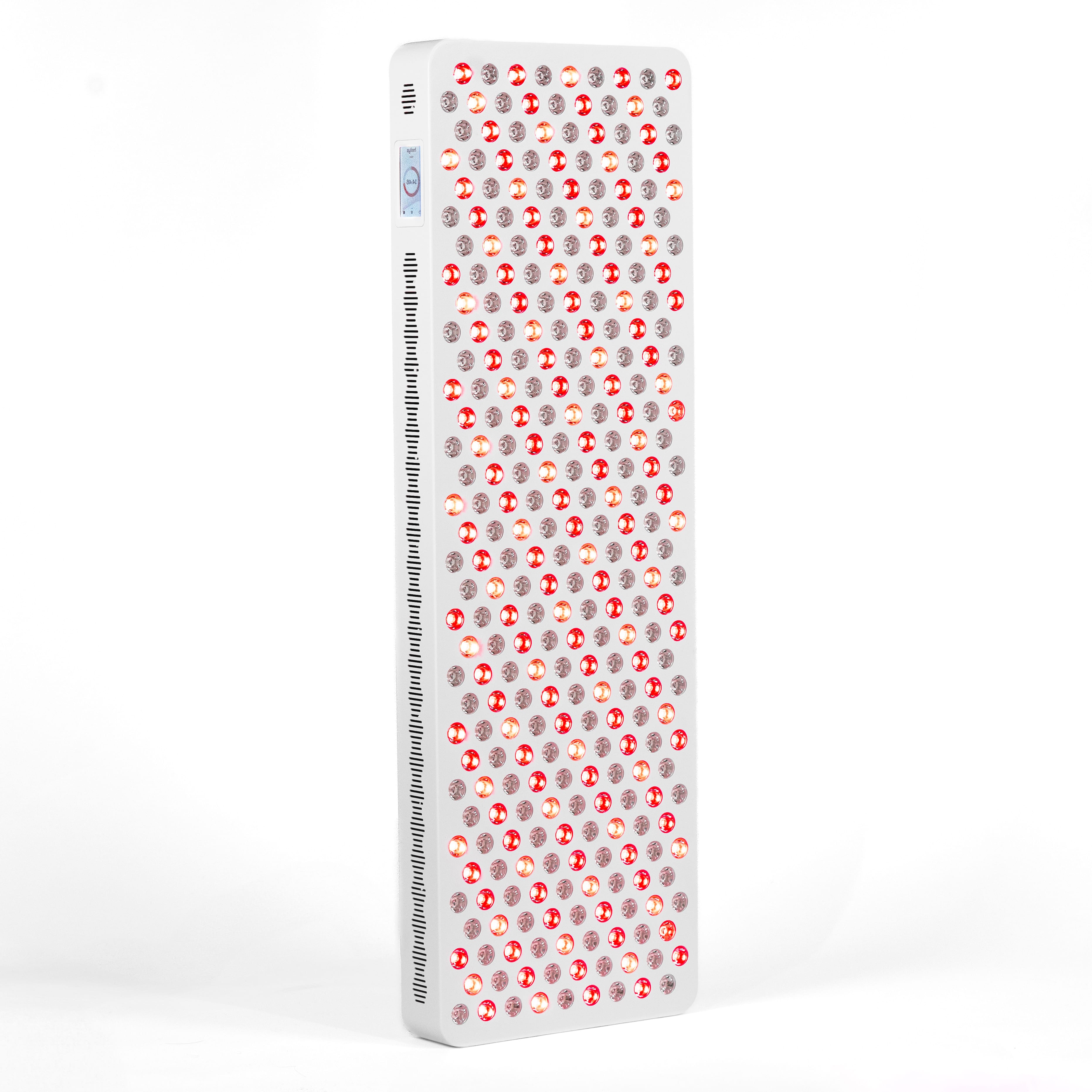
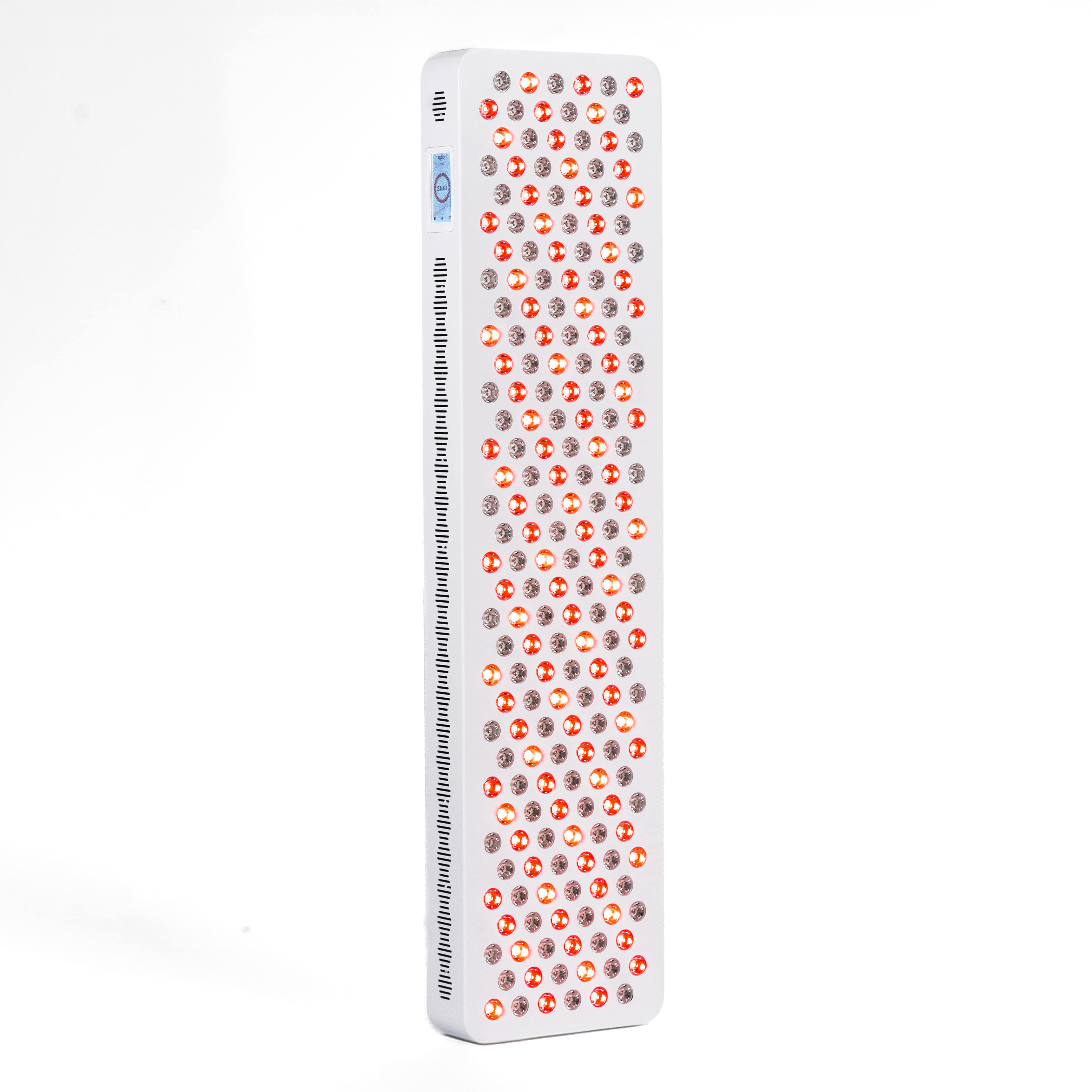
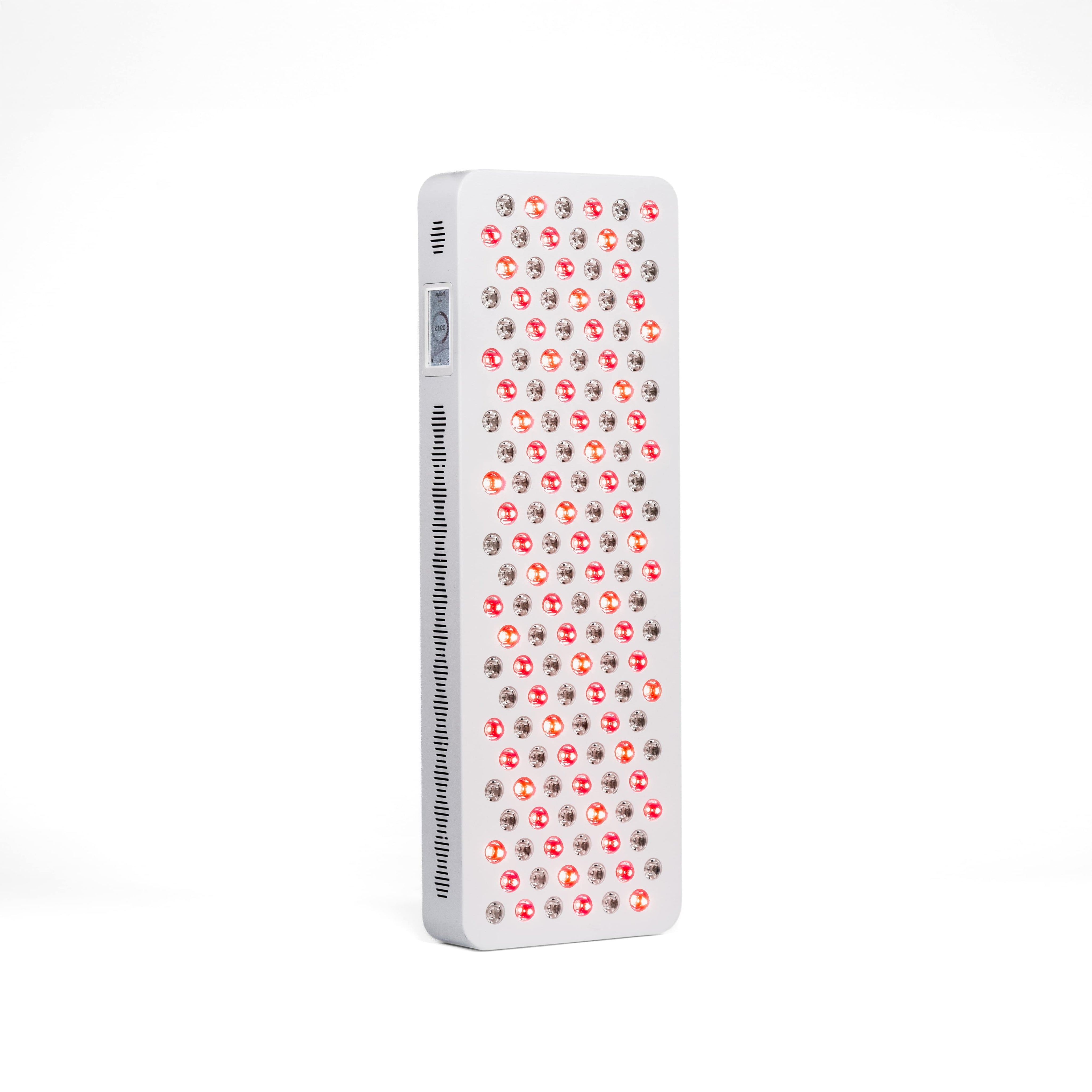
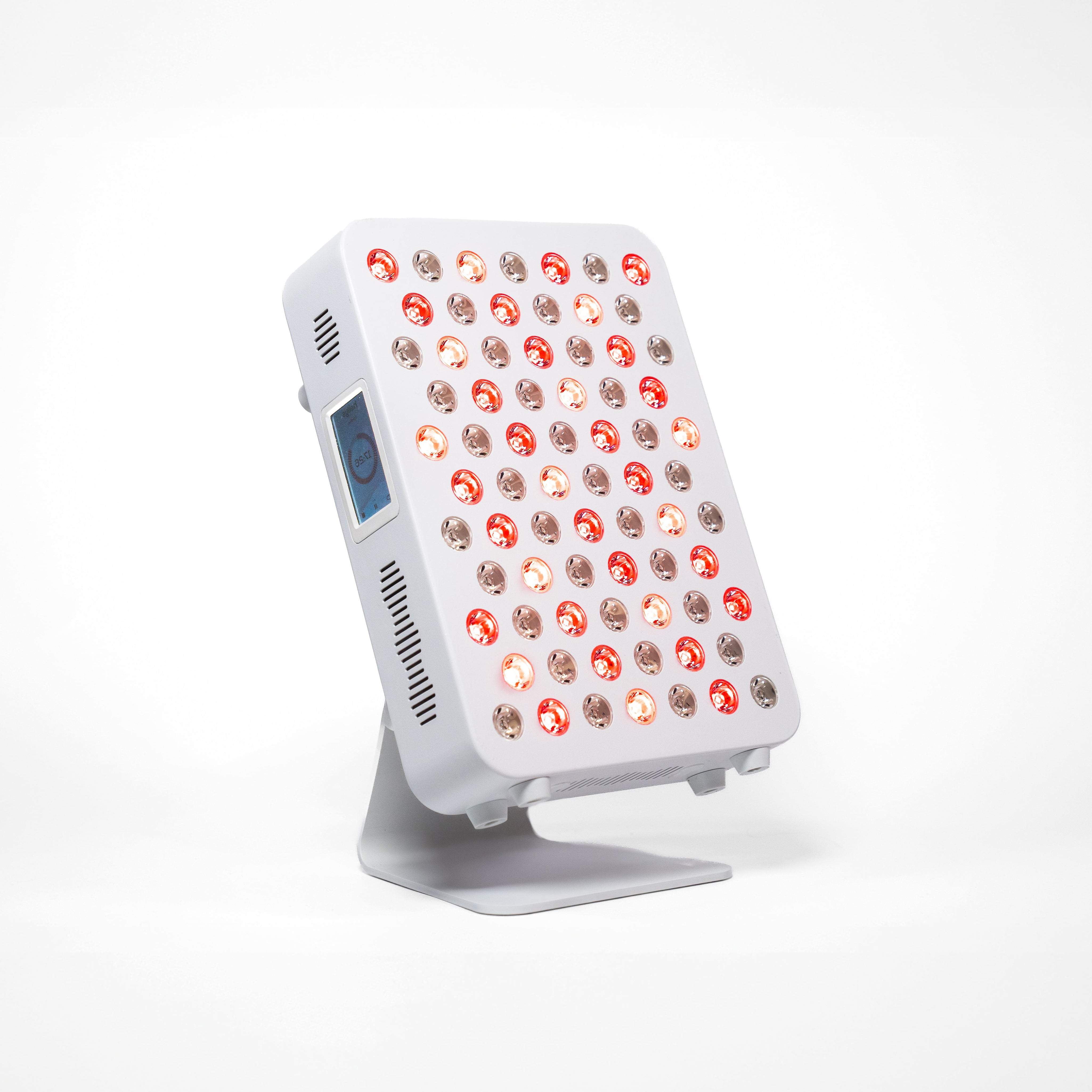
Adjust the device correctly: Make sure your red light device emits light waves between 610 and 850 nanometers and set it up according to the manufacturer's instructions.
-
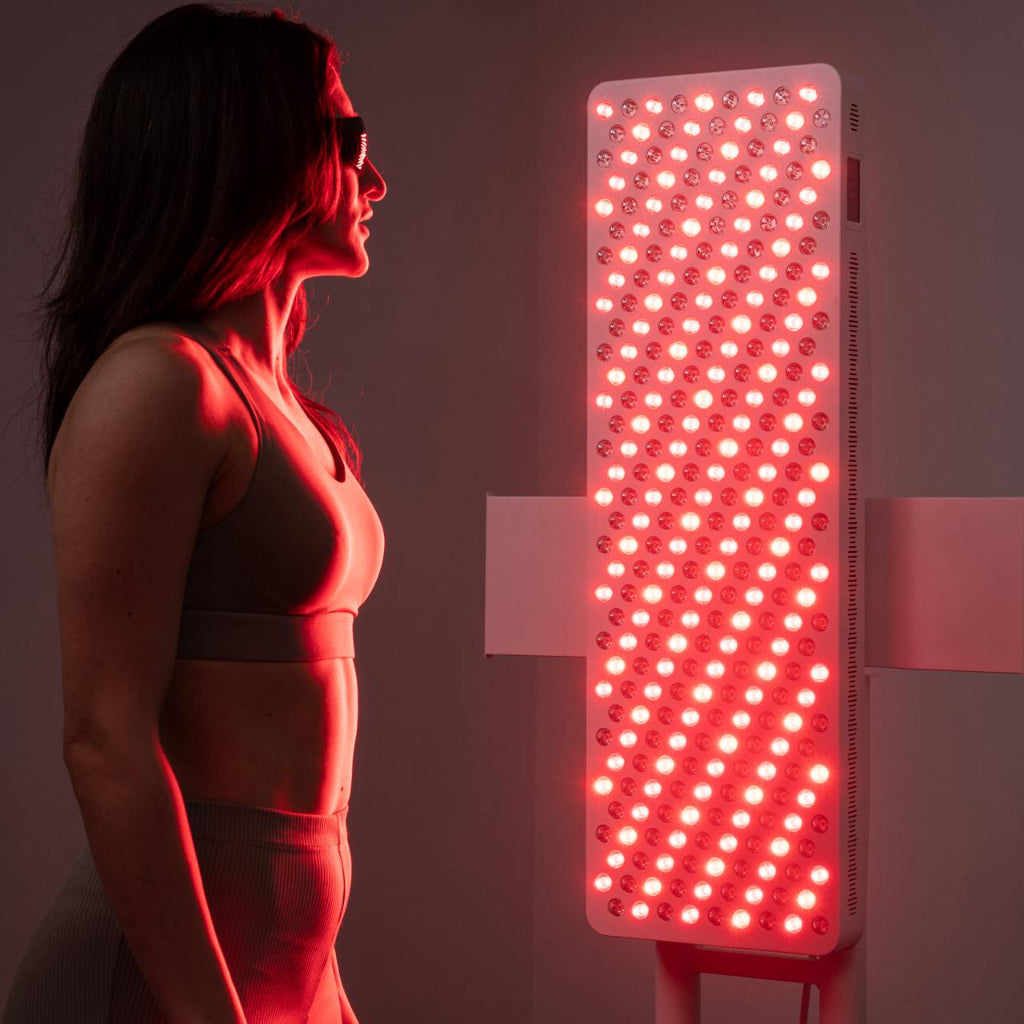
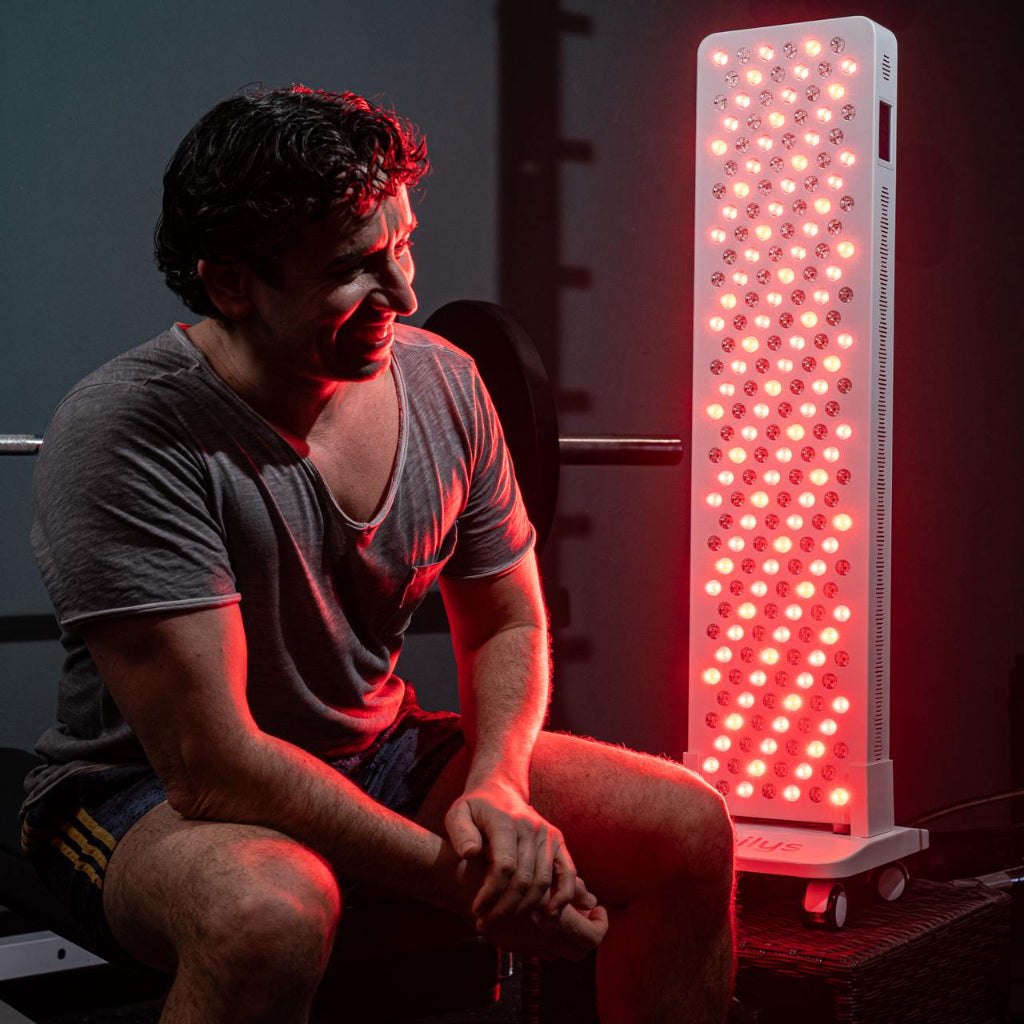
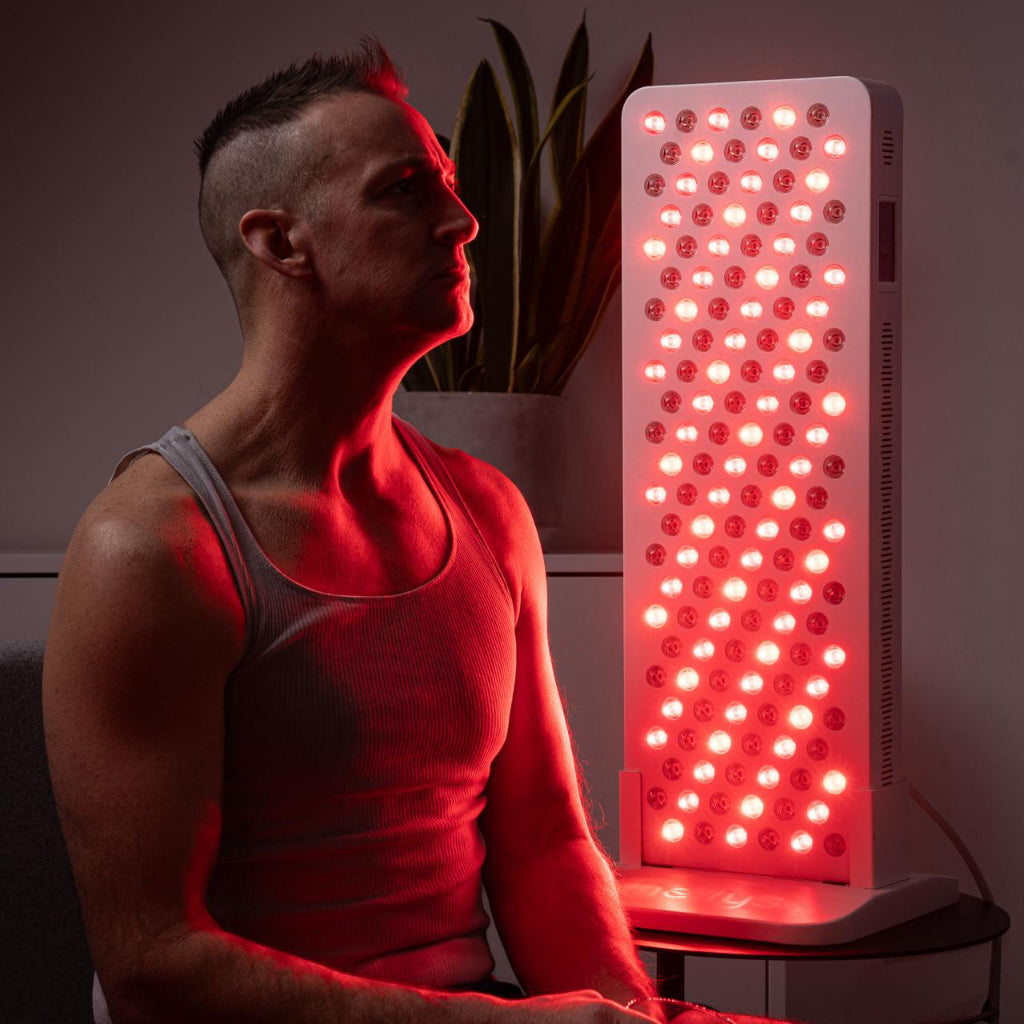
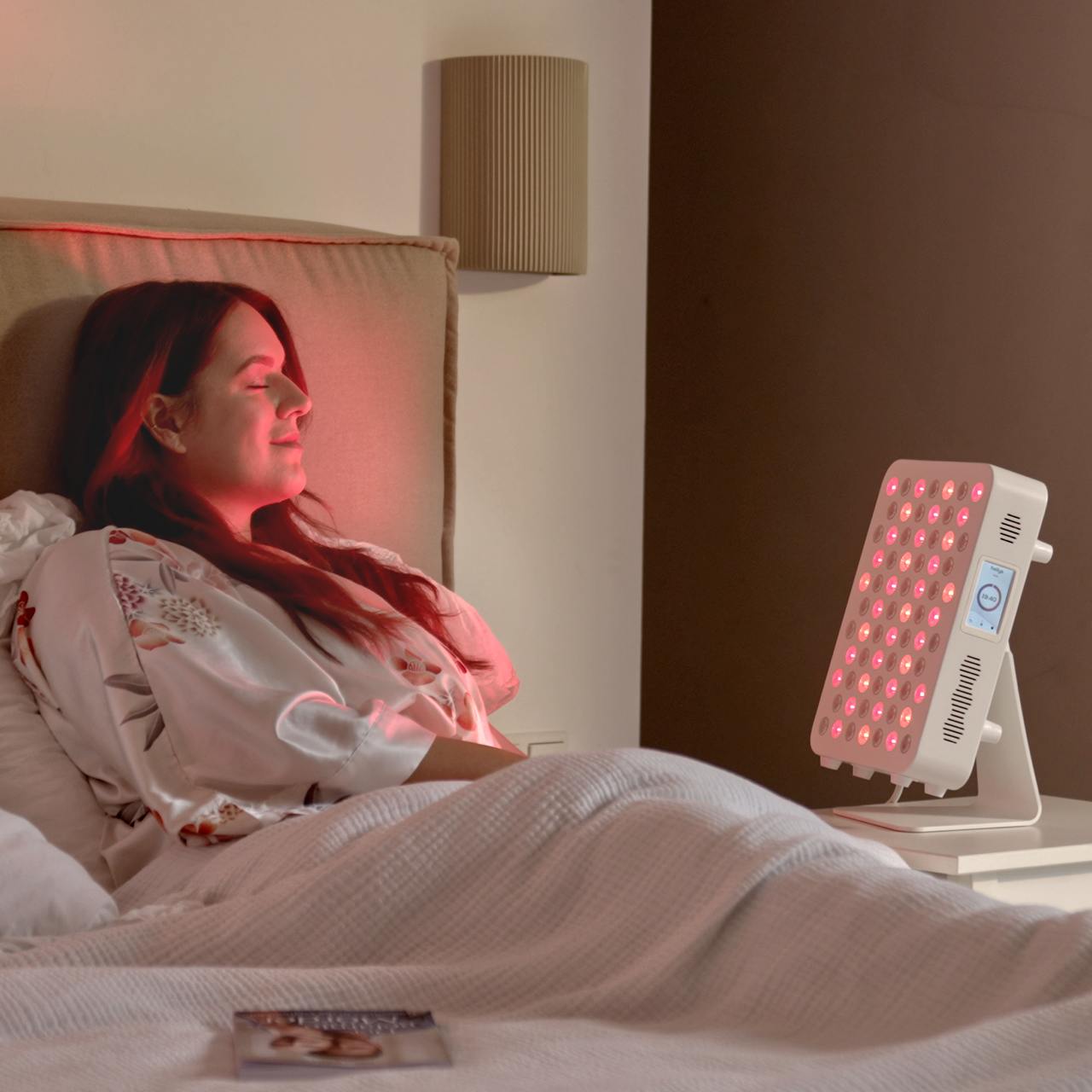
Targeted irradiation: Maintain a distance of 30–45 cm and irradiate your spine and neck area for about 7 minutes, ideally 1.5–2 hours before going to bed.
-
Keep at it: For best results, repeat the application daily or at least 3-5 times per week.
Scientific background on effectiveness
Several studies have confirmed the positive effects of red light on sleep and health:
- A study showed that the sleep quality of participants who were exposed to red light before going to bed was significantly improved.
- Other research has shown that red light increases melatonin production and reduces symptoms of insomnia.
- People with jet lag have been observed to adapt more quickly to new time zones through the use of red light.
Conclusion and product recommendations
Red light therapy is an effective method for naturally combating sleep problems. It combines scientifically proven mechanisms with simple application. Browse our shop to find the right red light device for your needs and start enjoying a more restful night today!