

Depressive disorders are among the most common mental illnesses worldwide, affecting the lives of millions. Alongside established treatments such as psychotherapy and medication, the search for alternative and complementary approaches is increasingly coming into focus. One innovative approach gaining attention is red light therapy. Known from areas such as skincare and pain relief, it could also be promising in the treatment of depression. Many are now asking: Can red light therapy truly have a positive effect on depression – and how does "red light against depression" fit into current research? But how realistic is this hope? Current studies offer insights into the potential of light therapy.
Table of contents
- What is red light therapy?
- Overview of research findings
- Seasonal Depression and Red Light
- Final thoughts
What is red light therapy?
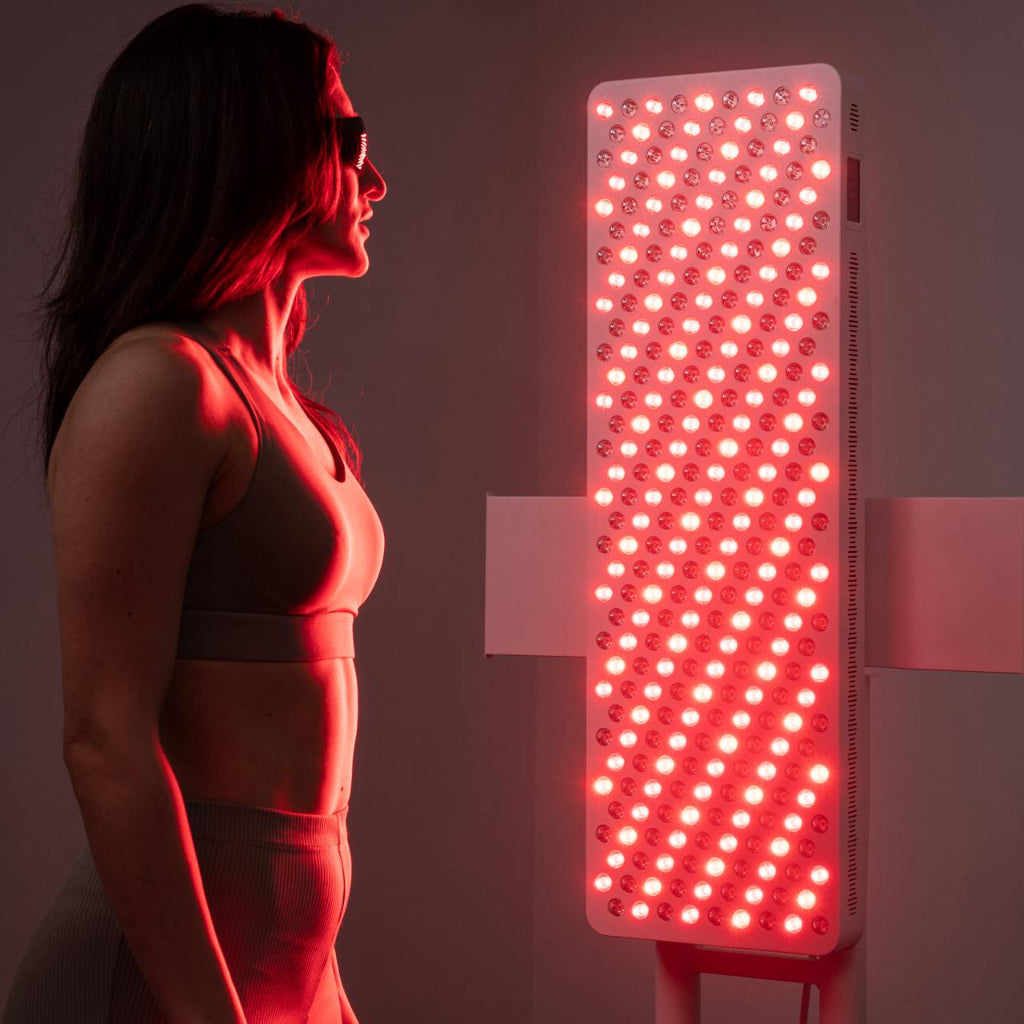
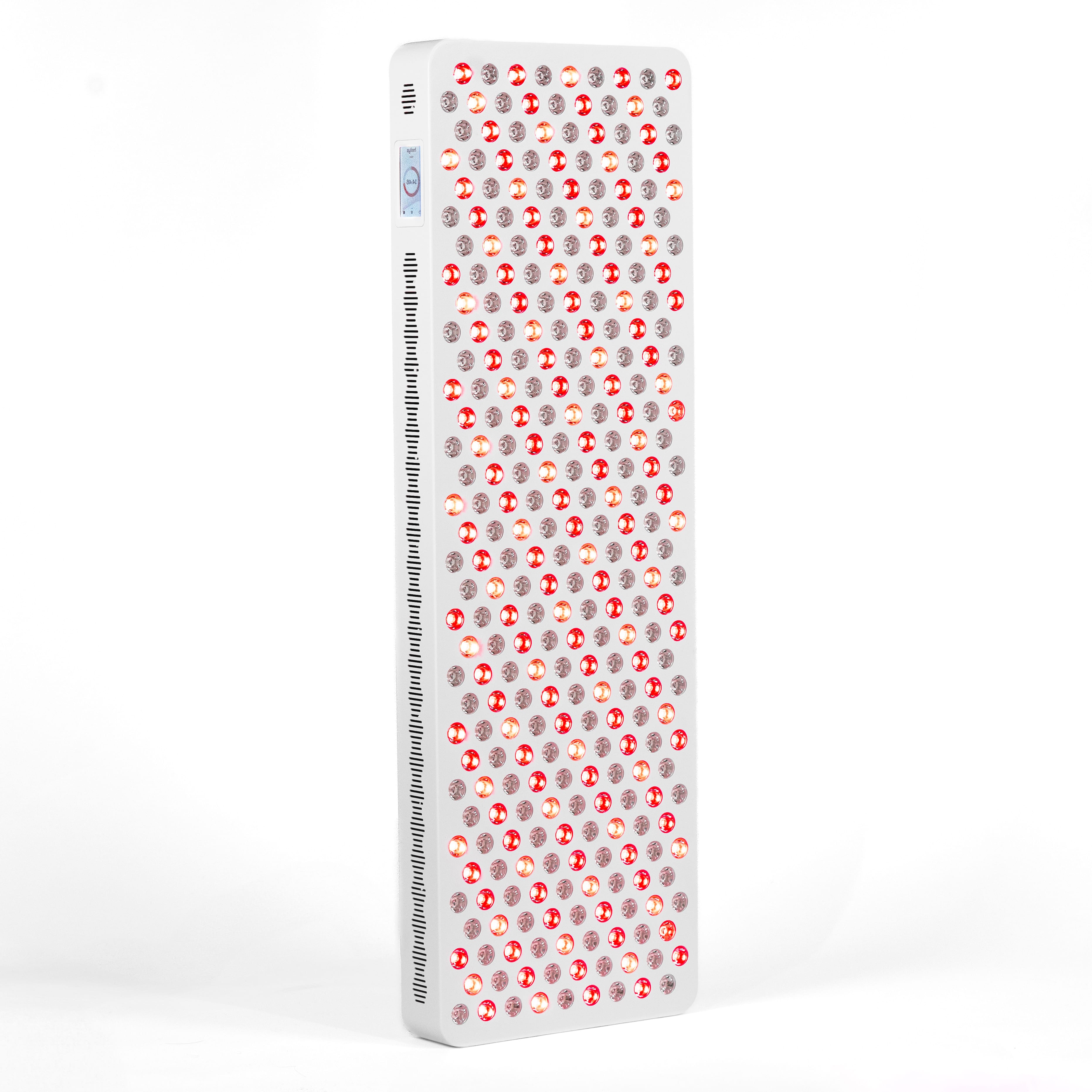
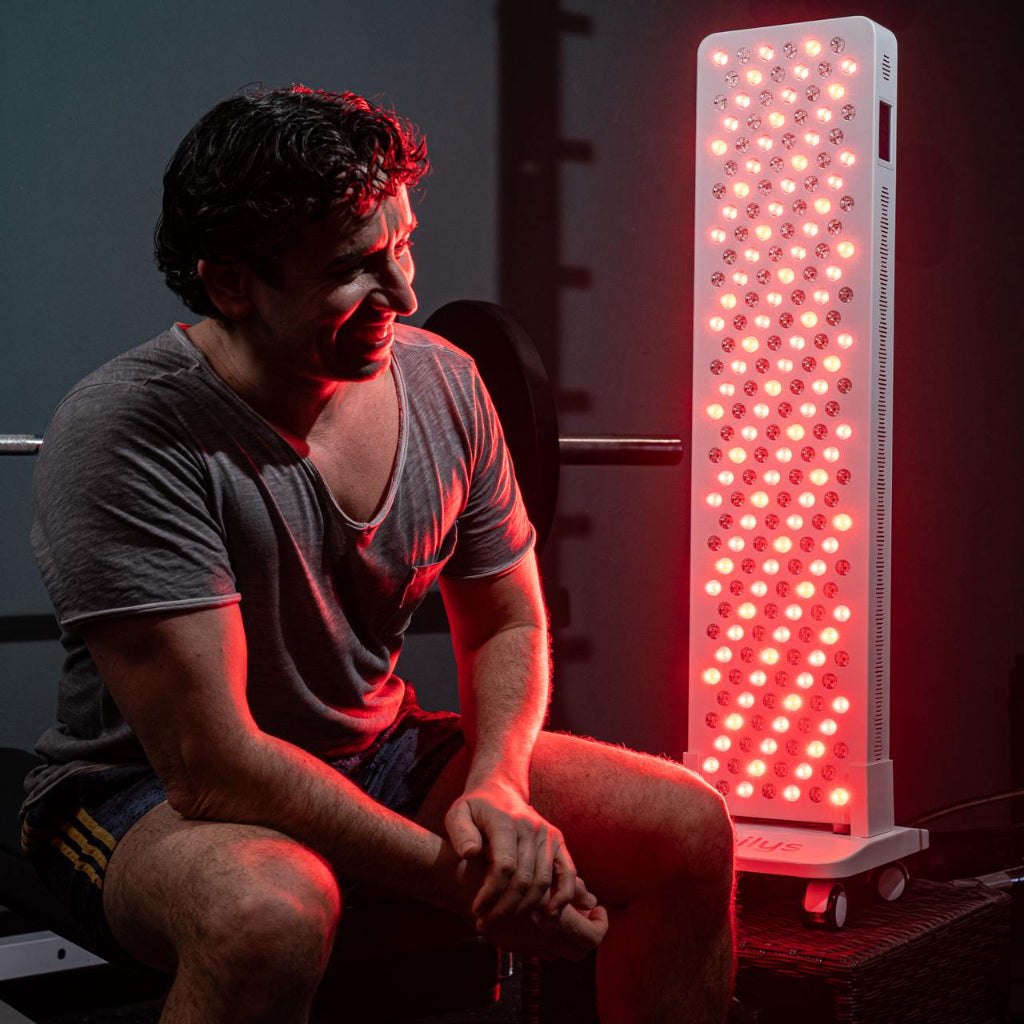
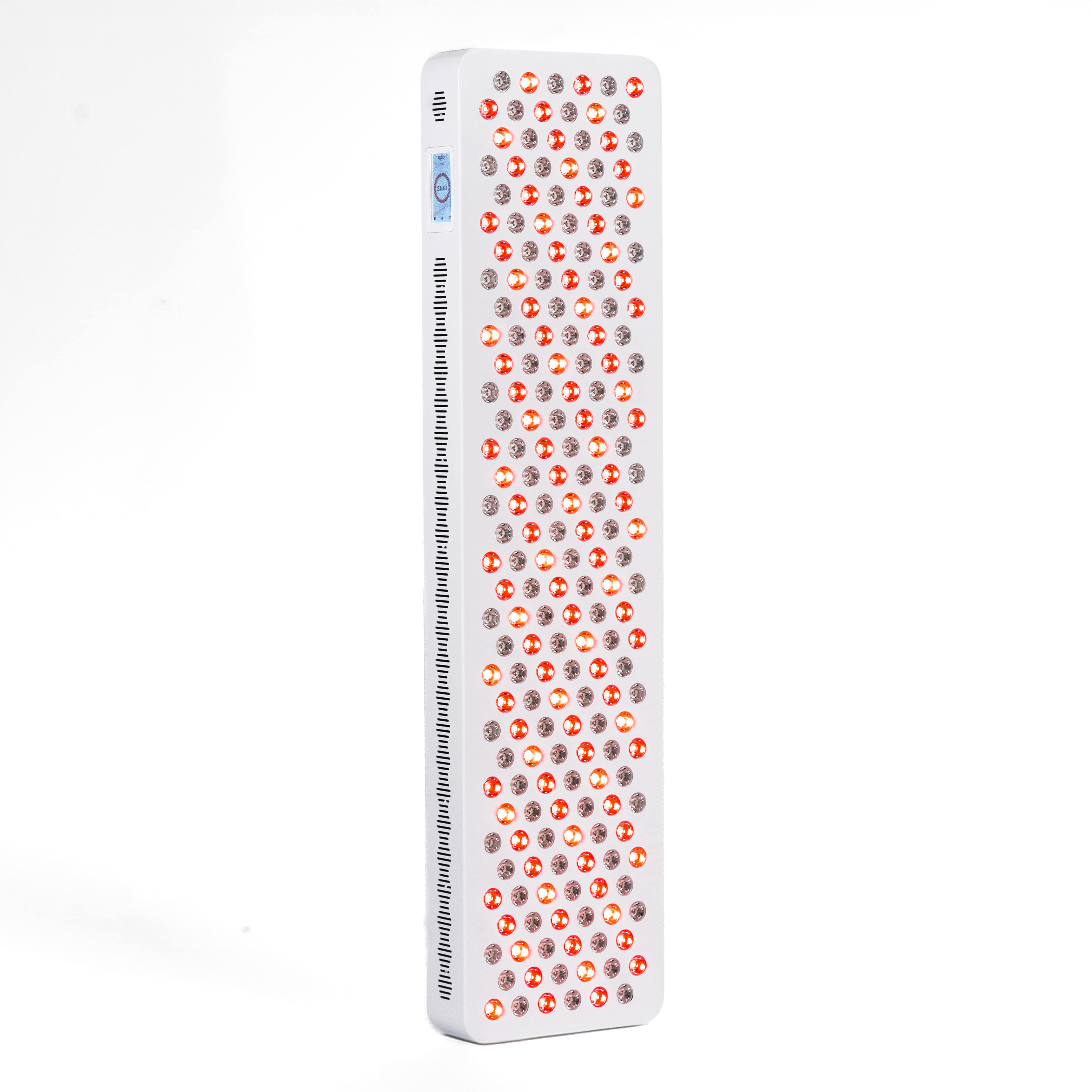
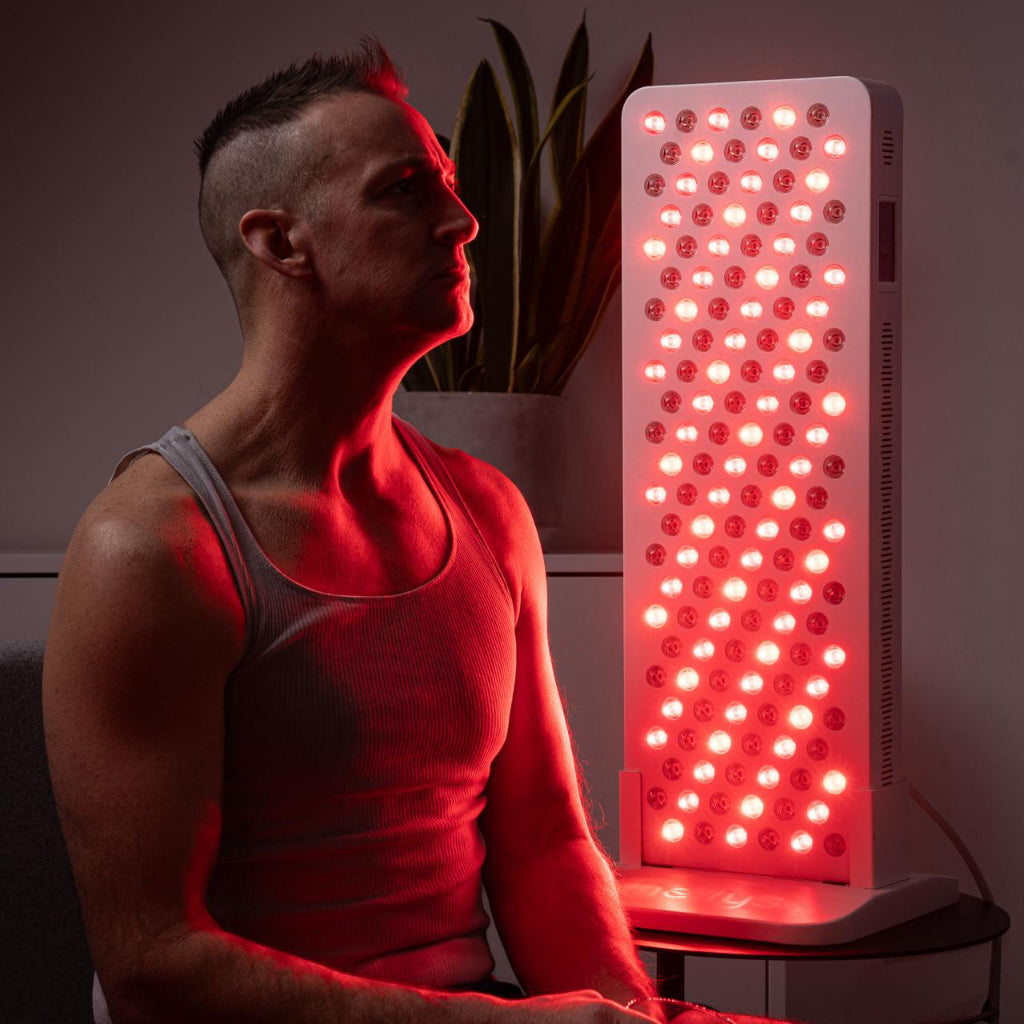
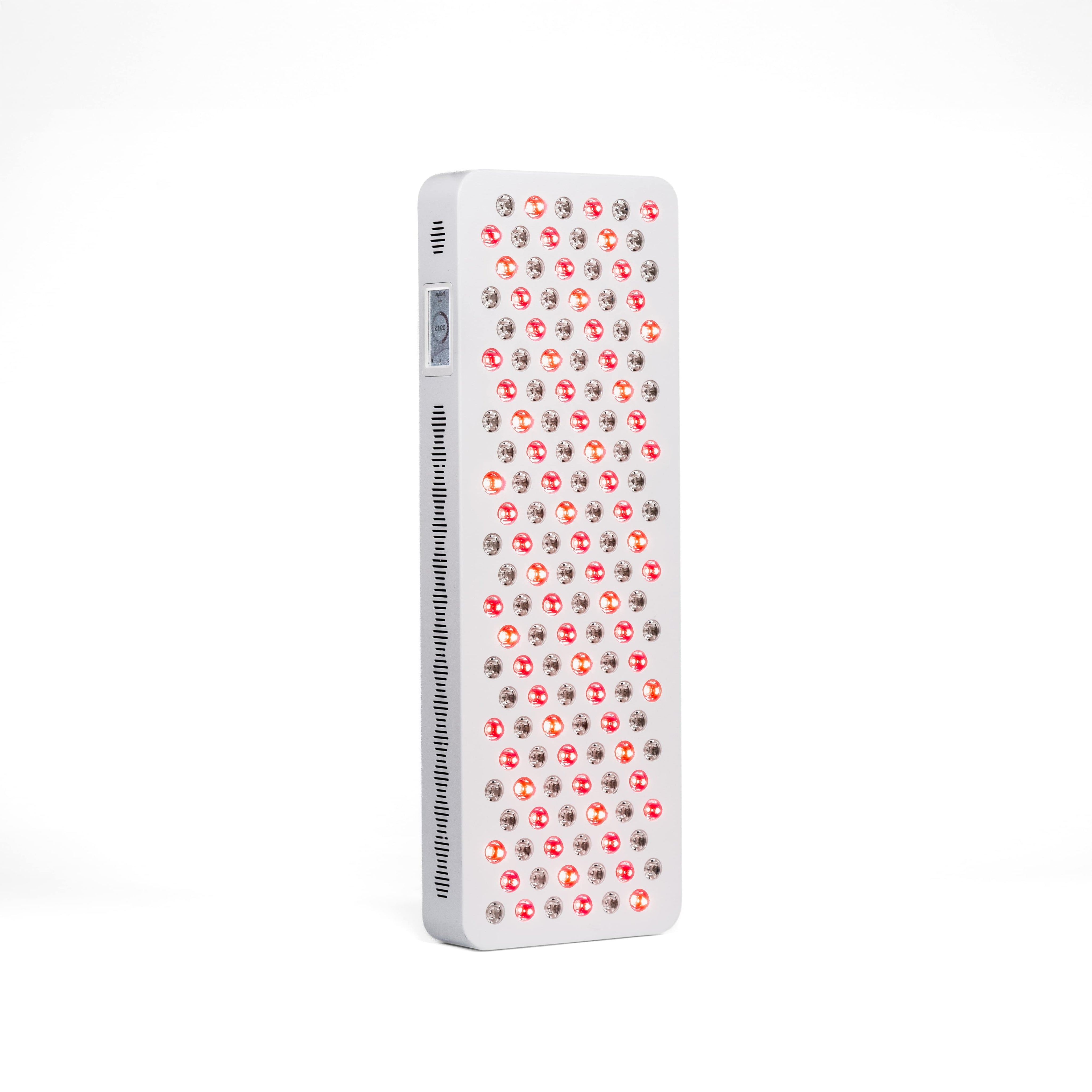
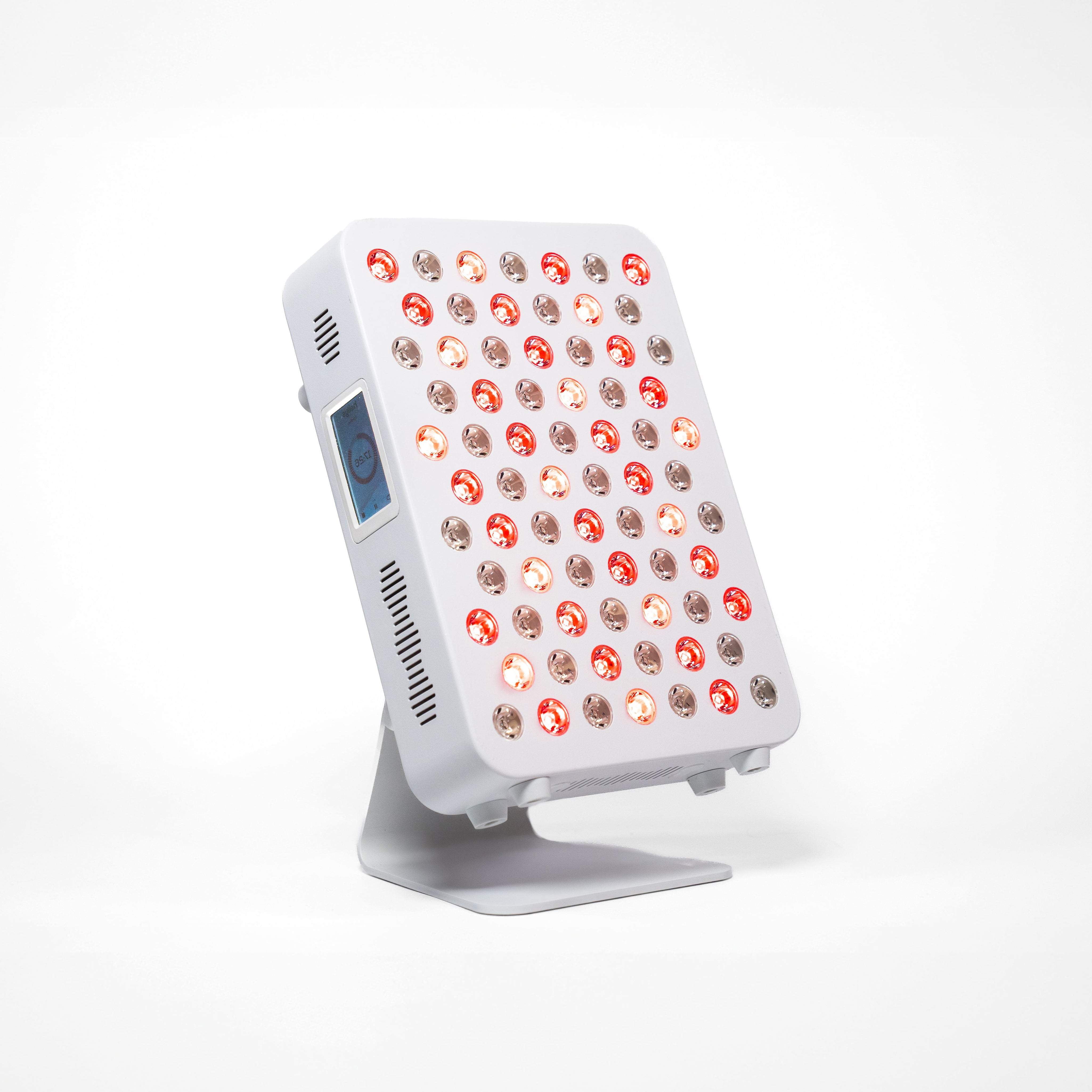
Red light therapy, also known as photobiomodulation (PBM), involves the use of red and near-infrared light waves to achieve therapeutic effects at the cellular level. This therapy penetrates deep into the skin, stimulating biological processes and causing positive changes without causing damage. From promoting wound healing to relieving pain, red light therapy is already being used successfully. The question is whether these benefits can also be transferred to the central nervous system and thus to depression. This is precisely where research on red light therapy and depression comes in, investigating whether the application of light can also have an emotionally stabilizing effect.
Overview of research findings
Scientific studies suggest that red light therapy may influence the concentration of neurotransmitters such as serotonin and dopamine, which play a key role in regulating mood and emotions. Furthermore, many users report improved sleep quality and increased well-being after treatment. This aligns with research showing that red light can regulate melatonin—a hormone that not only influences the sleep-wake cycle but is also closely linked to mood.
International studies, including those from Brazil, Australia, and Japan, also show promising results. One study highlighted the significant improvement in symptoms on the Hamilton Depression Rating Scale (HAM-D17), suggesting the effectiveness of red light therapy for depression. Study here . Could red light therapy be a useful addition to conventional treatments for depression? The data so far is promising, but questions remain regarding dosage, duration, and frequency of application.
Seasonal Depression and Red Light
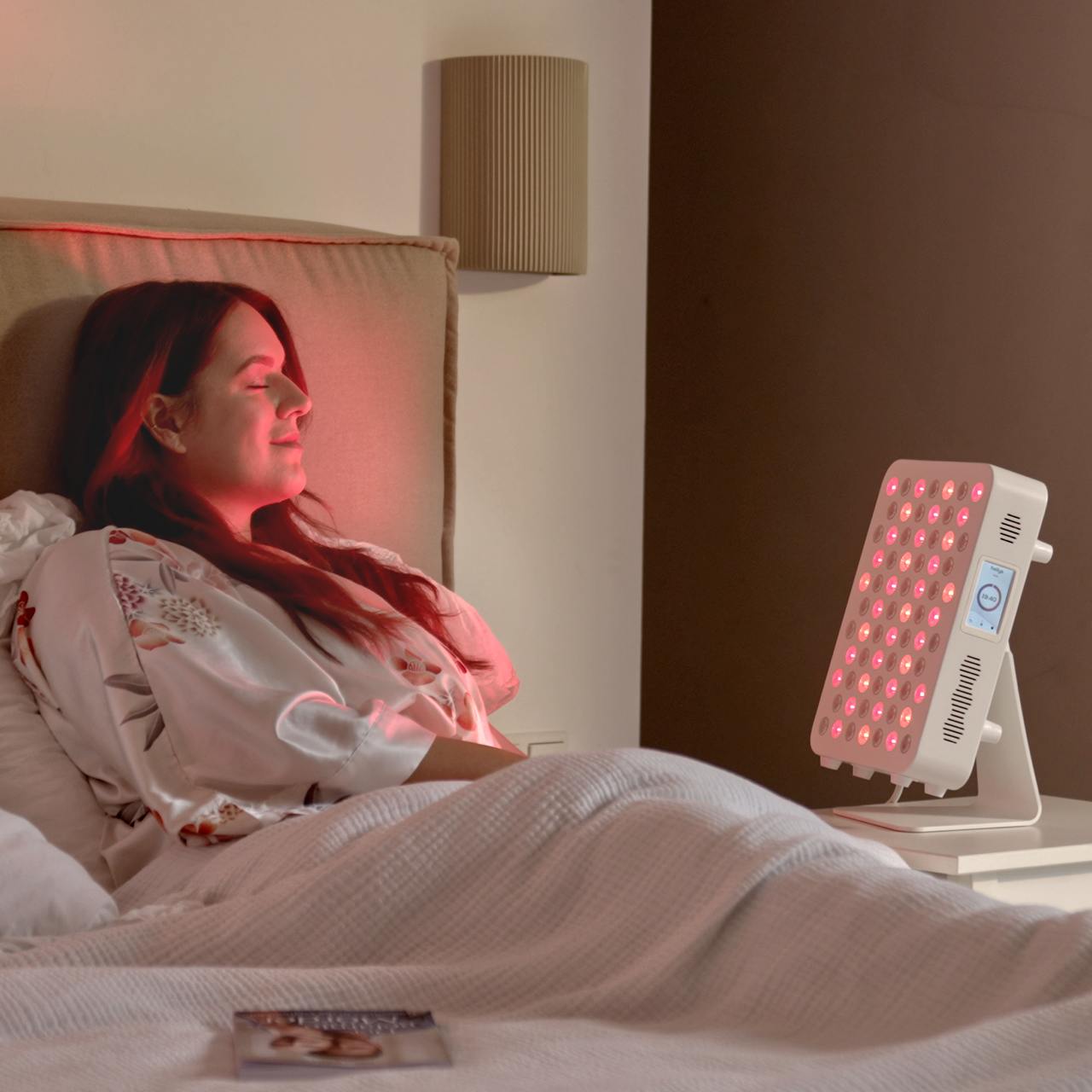
Seasonal affective disorder (SAD) affects many people during the dark winter months. Symptoms such as lack of energy, mood swings, and sleep disturbances are similar to those of classic depression. Red light therapy could offer valuable support in this regard. A 2021 study suggests that red light therapy can regulate the sleep-wake cycle and positively influence melatonin production—further evidence that red light can affect melatonin and thus also mood-stabilizing processes. Study here . This is particularly relevant for people seeking an additional gentle option for seasonal affective disorder (SAD). This connection is also gaining increasing scientific significance in the context of red light therapy for depression.
Final thoughts
Red light therapy offers potentially new perspectives for the treatment of depression, especially for people who do not respond adequately to conventional methods. Although further studies are needed, the results so far point to a promising future. Furthermore, it is becoming increasingly clear that red light could play a significant role in melatonin production and the regulation of the sleep-wake cycle. With continued research, clear guidelines could be developed to offer those affected an additional option in the fight against depressive disorders.
Would you like to learn more about the diverse applications of red light therapy? Visit our Shop Or read more articles on our blog. Our customer service team is always available for personal advice about our devices!