

Stronger hair and beautiful, healthy skin - with red light therapy
Our skin and hair are not only external features of our appearance, but also reflections of our health. While many skincare products offer short-term results, red light therapy focuses on sustainable, deep-acting support. This non-invasive method offers numerous benefits – from reducing blemishes to promoting hair growth. In this blog, you'll learn how red light therapy works, what benefits it offers for skin and hair, and how to use it optimally.
Table of contents
- What is red light therapy?
- The benefits of red light therapy for the skin
- The benefits of red light therapy for hair
- Application of red light therapy for skin and hair
- Does red light therapy really work for skin and hair?
- Conclusion: Why red light therapy is a game-changer
What is red light therapy?
Red light therapy uses red and near-infrared light (630–850 nm) that penetrates deep into the skin and tissue to improve cell function. It stimulates the mitochondria—the "powerhouses" of the cells—and increases ATP production, the essential energy source for all cellular processes. This promotes regeneration and healing at the cellular level.
Additionally, the therapy improves blood circulation by stimulating the production of nitric oxide, which increases the oxygen and nutrient supply to the cells. Inflammatory processes are inhibited, making the therapy helpful for irritated skin, chronic skin conditions, and pain. It also supports collagen production, which promotes skin elasticity and accelerates wound healing. Red light therapy is a non-invasive method that activates natural healing processes and strengthens overall cell health.
The benefits of red light therapy for the skin
Improvement of skin elasticity
What happens: Red light promotes the production of collagen and elastin – two proteins responsible for skin firmness and elasticity. As we age, collagen production decreases, leading to sagging skin and wrinkles, and red light therapy helps to reverse this process.
Here's how it works: Red light with wavelengths between 630 nm and 660 nm penetrates into the dermis, where the fibroblasts – the collagen-producing cells – are located. It stimulates the activity of the mitochondria, which in turn produce more ATP (cellular energy). This energy is used by the fibroblasts to synthesize more collagen and elastin. This reduces wrinkles and fine lines, leaving the skin looking plumper and more radiant.
Support for acne and skin blemishes
What happens: Red light reduces inflammation in the skin, regulates the activity of the sebaceous glands and fights bacteria that cause acne.
How this happens:
- Anti-inflammatory effect: Red light reduces the production of pro-inflammatory cytokines (signaling proteins) such as TNF-alpha, which play a central role in acne.
- Regulation of sebum production: The light normalizes the function of the sebaceous glands, resulting in less excess sebum being produced that could clog the pores.
- Antibacterial effect: In combination with blue light (415 nm), bacteria such as Propionibacterium acnes , which cause acne, can be directly eliminated.
Promoting wound healing
What happens: Wounds, scars, and even burns heal faster and better when treated regularly with red light. The skin becomes more resilient and regenerates more effectively.
How this happens:
- Red light increases blood flow in the treated area by stimulating the production of nitric oxide (NO). NO dilates the blood vessels, allowing more oxygen and nutrients to reach the damaged cells.
- At the same time, it promotes the proliferation (multiplication) of keratinocytes and fibroblasts, which form new skin cells and improve the healing of scar tissue.
Reduction of redness and inflammation
What happens: Red light soothes irritated skin and reduces redness caused by inflammatory processes, such as rosacea or eczema.
How this happens:
- The light inhibits pro-inflammatory enzymes such as COX-2 and simultaneously increases the production of anti-inflammatory substances such as interleukin-10.
- The improved microcirculation allows waste products to be removed more efficiently and inflammation to be reduced more quickly.
The benefits of red light therapy for hair
Stimulating hair growth
What happens: The hair follicles are activated, causing hair to enter the growth phase (anagen phase) and grow faster.
How this happens:
- Red light penetrates deep into the hair follicles and increases cellular energy production by mitochondria. More ATP means more energy for the follicles to produce hair.
- Nitric oxide is released, which improves microcirculation in the scalp. This results in better oxygen and nutrient supply to the follicles.
Improving scalp health
What happens: A healthy scalp is the foundation for strong hair. Red light improves the regeneration of skin cells and reduces dandruff or inflammation.
How this happens:
- Red light promotes the formation of new skin cells in the epidermis of the scalp and accelerates the breakdown of dead cells.
- It has anti-inflammatory properties, which can alleviate skin irritations or chronic conditions such as seborrheic dermatitis.
Support for hair loss
What happens: Hair loss is slowed down, and thinning hair can grow back thicker and healthier.
How this happens:
- Red light prolongs the anagen phase (growth phase) of the hair and shortens the telogen phase (resting phase), in which hair normally falls out.
- It reduces the formation of dihydrotestosterone (DHT) – a hormone that shrinks hair follicles and thus causes hair loss.
Red light therapy combines biophysical processes such as improved cellular respiration, anti-inflammatory effects, and the activation of regenerative mechanisms. For skin and hair, it offers a natural, non-invasive alternative to conventional treatments that not only addresses superficial symptoms but also strengthens cellular health from within.
Application of red light therapy for skin and hair
- Suitable equipment and its use
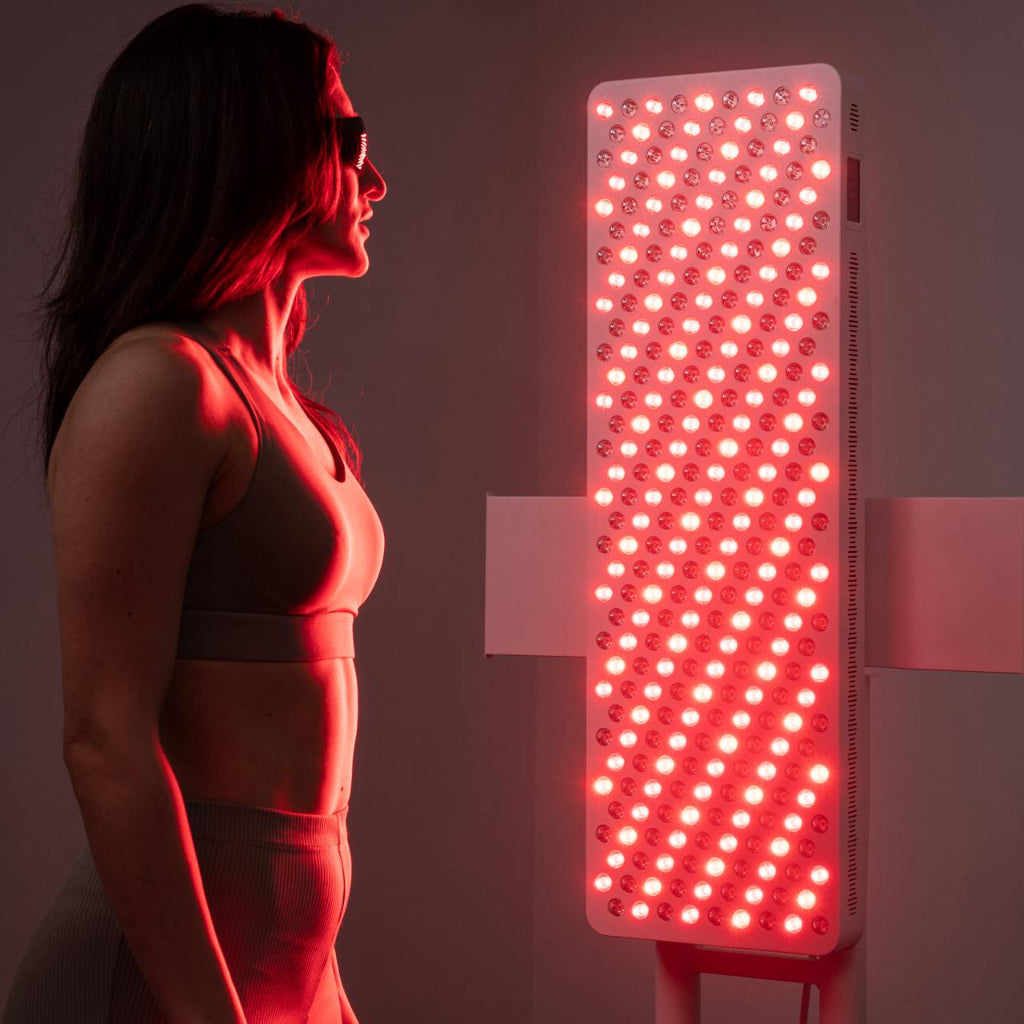
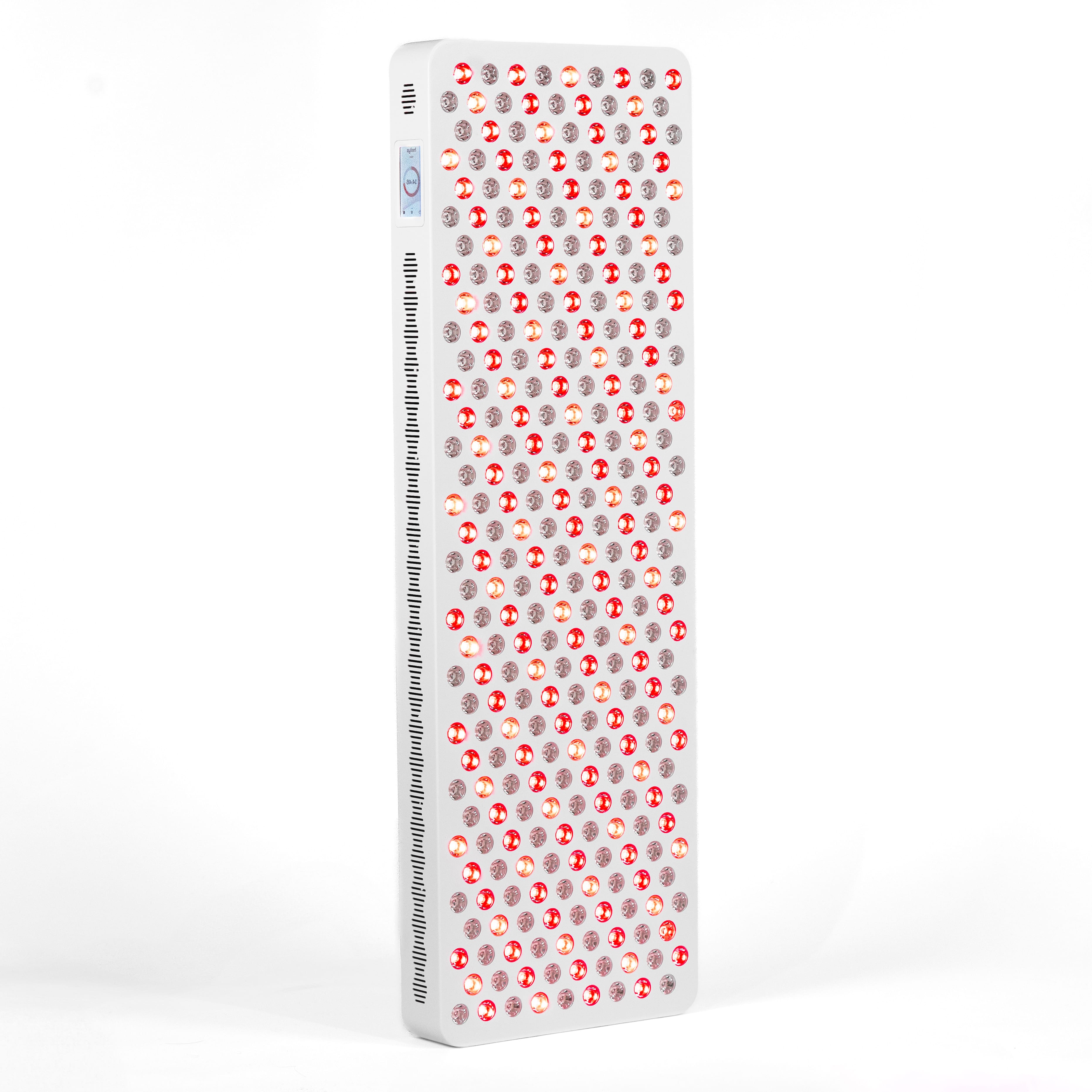
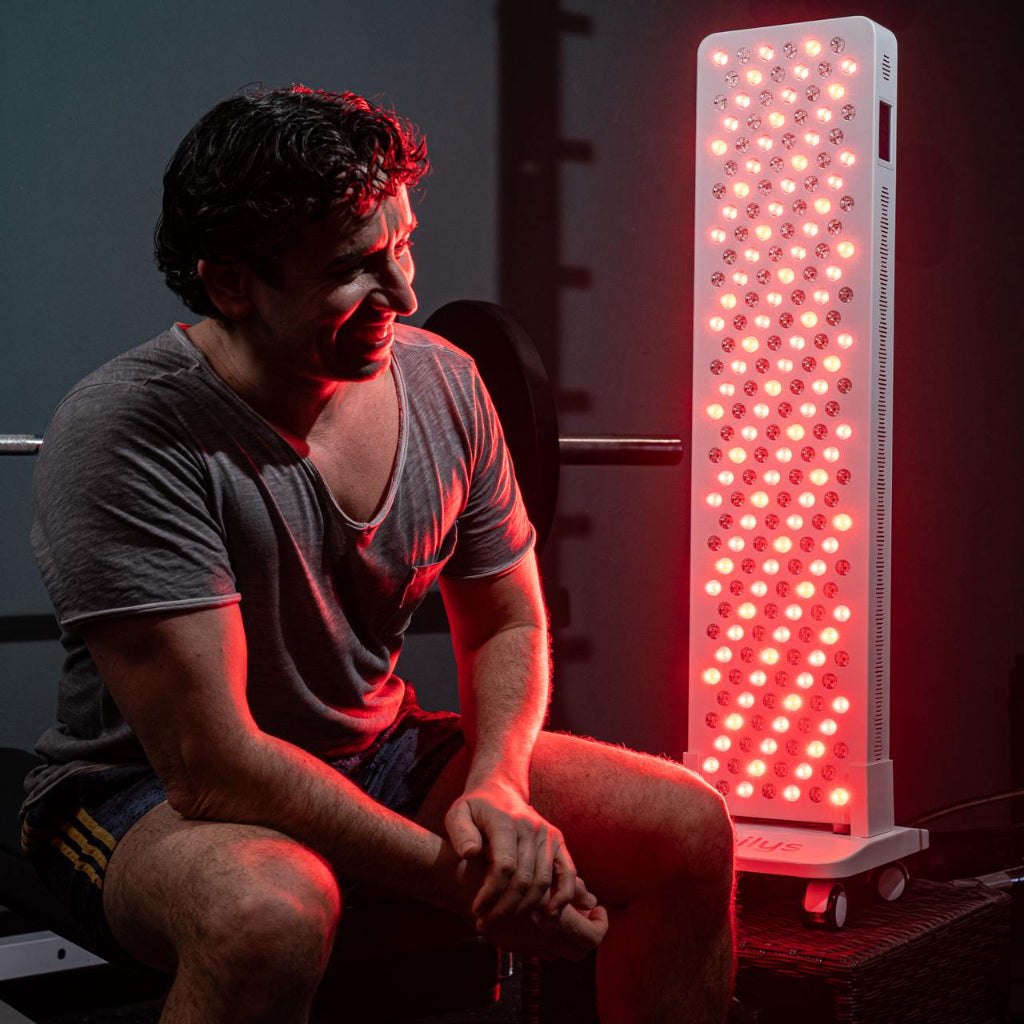
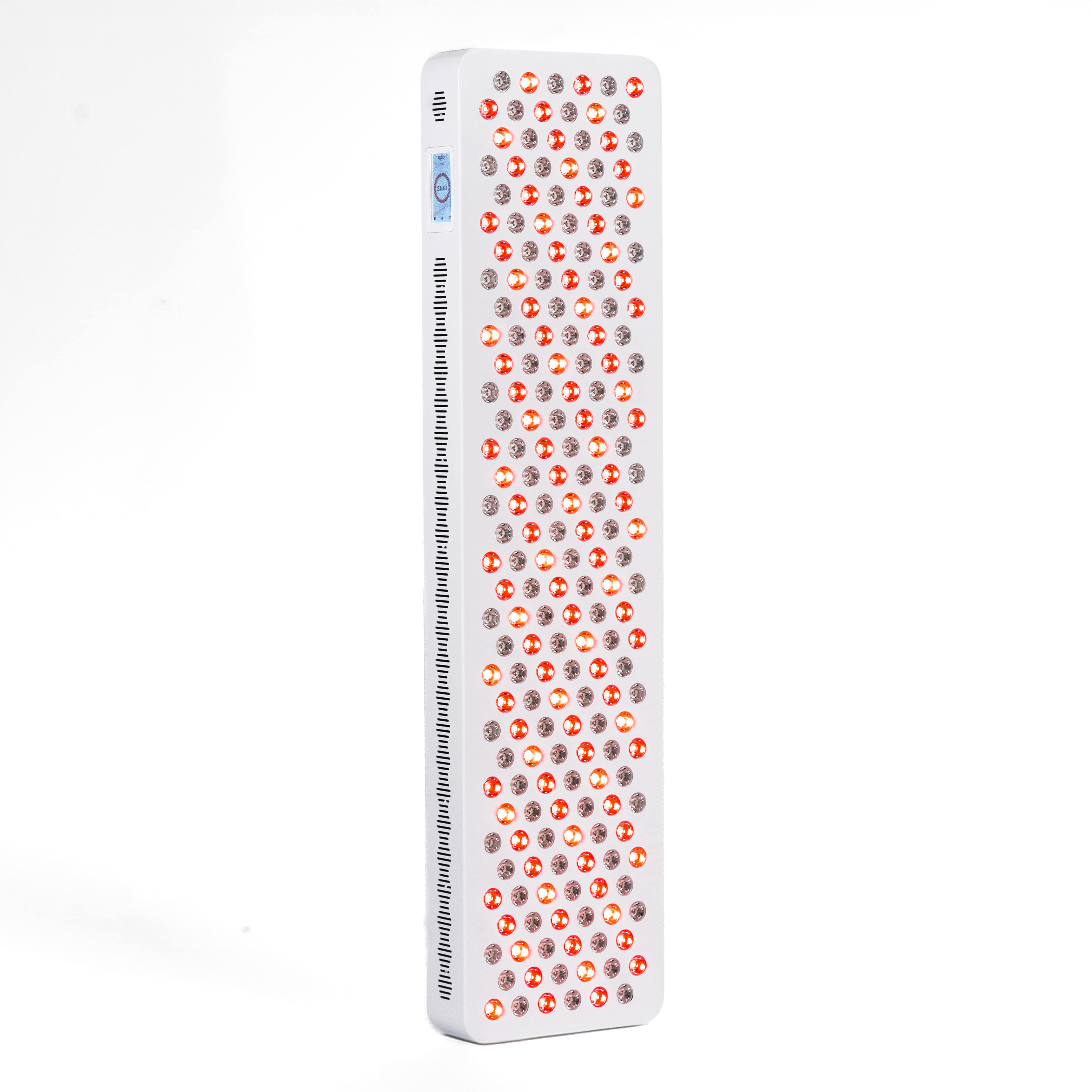
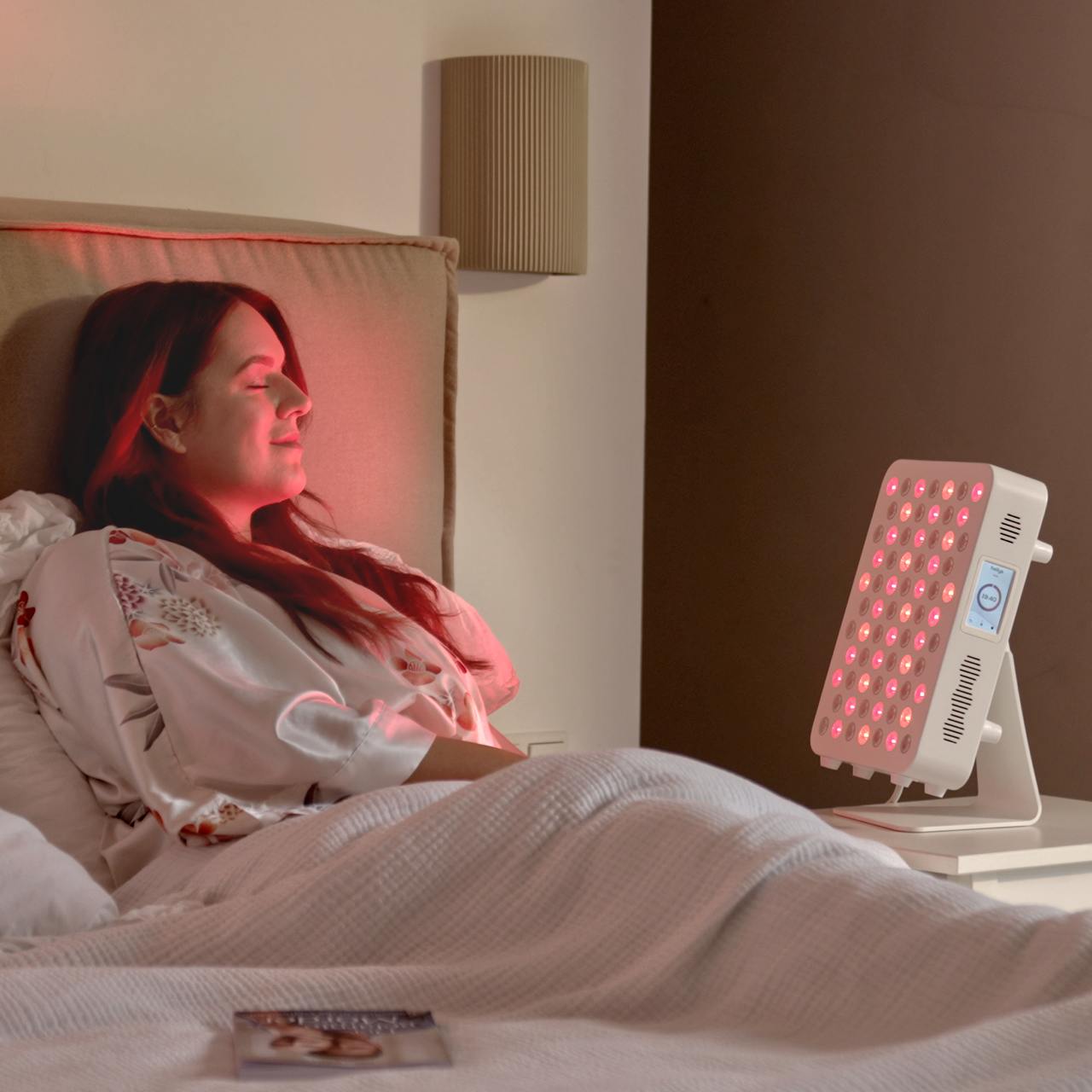
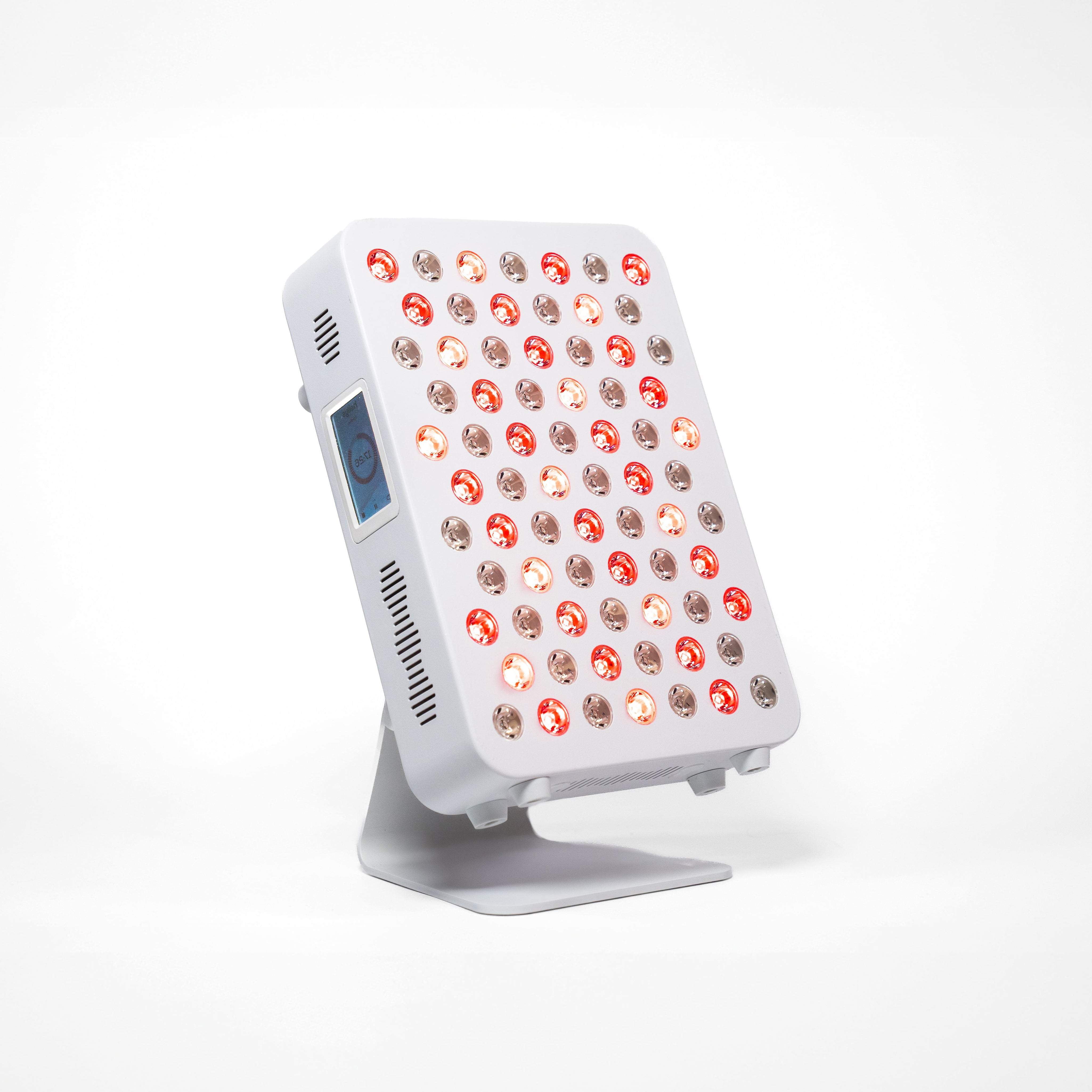
For the skin: Devices like infrared lamps , face masks , or facial wands with a combination of 630, 660, and 850 nm wavelengths are ideal. This means that Grandma's good old infrared lamp, the one we use for colds, unfortunately won't work. Face masks and panels offer complete facial coverage and are particularly easy and convenient to use, while facial wands impress with their flexibility and the added possibility of face shaping, as they combine the benefits of infrared therapy with the functionality of a Gua Sha stone.
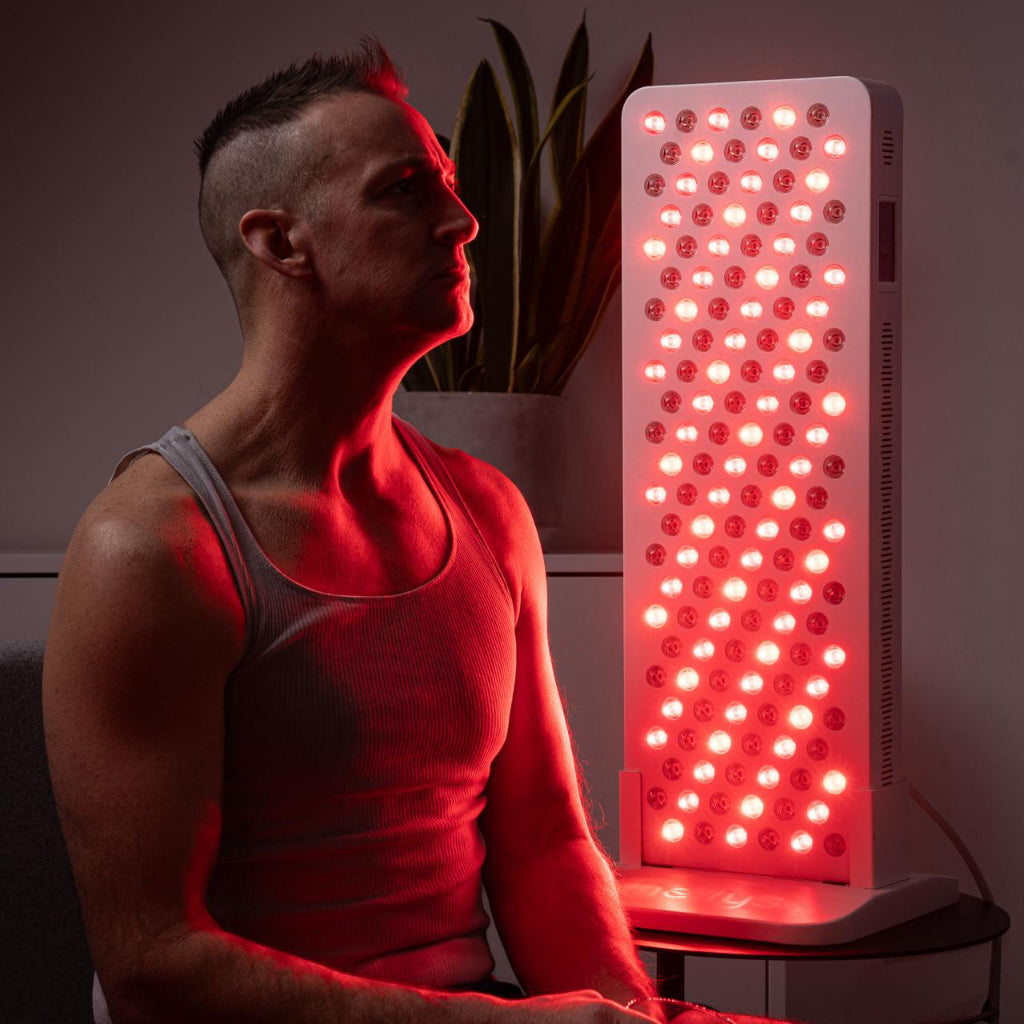
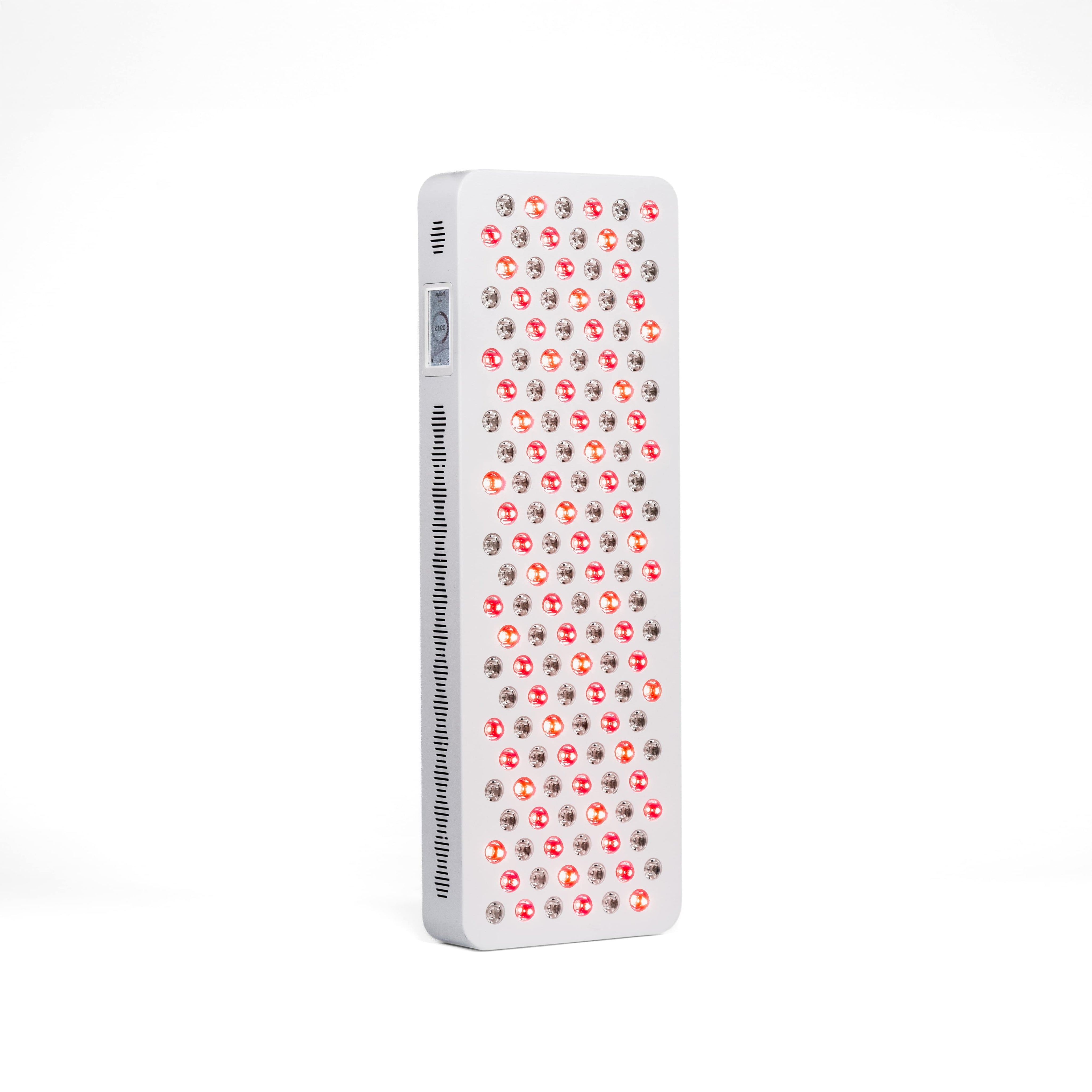
For hair: Wavelengths between 630 nm, 660 nm, and 850 nm are also ideal for hair, as they penetrate deep enough into the scalp to effectively stimulate the hair follicles. This combination of red (630 nm, 660 nm) and near-infrared (850 nm) wavelengths promotes blood circulation in the scalp, improves oxygen and nutrient supply, and activates cell function in the hair follicles. Devices such as hair caps or panels that selectively irradiate the scalp are excellent choices. Panels with a larger radiating surface are particularly efficient because they cover larger areas of the scalp simultaneously.
- Tips for integrating into your daily routine
- Skin: One 10–20 minute session per day is sufficient. It is important that the skin is cleansed beforehand to maximize light penetration. Facial wands can be used for precise applications on specific areas such as the forehead, cheeks, or chin.
- Hair: 3-4 sessions per week are a good start. Hold the device 10-20 cm away from the scalp to optimize blood circulation and nutrient supply to the hair follicles.
- Safety aspects
Red light therapy is generally safe and free of side effects. However, there are a few points to consider:
- Avoid sessions that are too long or too intense to prevent overheating of the skin.
- Adhere to the recommended usage time, especially for high-performance devices such as face wands or panels.
- For sensitive skin, it is recommended to start with shorter sessions and gradually increase the duration.
Does red light therapy really work for skin and hair?
The effectiveness of red light therapy has been investigated and confirmed in several studies, particularly in the treatment of skin impurities, the improvement of skin structure and the promotion of hair growth.
Red light therapy for acne
A study investigating the effects of red light on acne showed that it can significantly reduce both inflammatory and non-inflammatory lesions. Participants used a portable red light device, which resulted in significant improvements in skin health over several weeks.
Skin rejuvenation and collagen production
A large-scale clinical study with over 100 participants demonstrated that red light stimulates collagen production, smooths the skin, and reduces fine lines. The treatment proved to be safe, effective, and free of invasive procedures or long recovery times.
Promoting hair growth
Another study investigated the effect of red light on hair loss in men and found that the therapy can significantly increase hair growth. Through stimulation of the hair follicles and improvement of scalp blood circulation, a marked improvement in hair density was observed.
Studies show that red light therapy is a safe and effective method for providing lasting support to skin and hair. It offers scientifically proven benefits in the treatment of acne, skin rejuvenation, and hair growth.
Conclusion: Why red light therapy is a game-changer
Red light therapy is a scientifically proven, effective method for sustainably revitalizing skin and hair. It works deep within the cells, promoting regeneration, reducing inflammation, and boosting collagen production. This makes it not only a valuable tool for cosmetic improvements but also a support for overall skin and hair health. Whether you want radiant, smooth skin or thicker, stronger hair, red light therapy offers a natural, non-invasive solution that will impress you.
Browse our shop and discover high-quality red light devices perfectly tailored to your needs. Visit the shop