

Our eyes perform at their peak every day, whether working at a computer, reading, or enjoying our leisure time. However, many of us suffer from vision problems such as dry eyes, eye strain, or age-related decline. Red light therapy could be an interesting way to promote eye health. With its regenerative and anti-inflammatory properties, it offers natural support for our eyes.
Table of contents
- Common eye problems
- What is red light therapy?
- How can red light therapy help with eye problems?
- Application of red light therapy for the eyes
- Closing remarks
Common eye problems
Dry eyes
Dry eyes are among the most common complaints and occur when there is insufficient tear fluid or it evaporates too quickly. Causes often include prolonged screen time, which reduces blinking, as well as environmental factors such as dry air from air conditioning or heating. Age also plays a role, as tear production decreases with age.
Symptoms:
- itching
- Redness
- Burn
- Blurred vision
If the eyes produce too little or poor-quality tear fluid, this can irritate the surface of the eye and impair vision.
Age-related macular degeneration (AMD)
AMD is a chronic retinal disease in which the macula – the central area of vision – is damaged. The macula is responsible for sharp, central vision, and its degeneration can significantly impair quality of life.
Causes:
- Aging processes (typical from age 50+)
- Genetic predisposition
- Unhealthy lifestyle (e.g. smoking, poor diet)
- Oxidative stress in the retina
Symptoms:
- Blurred or distorted vision
- Problems reading or recognizing faces
- Dark spots in the field of vision
AMD can occur in two forms: dry (more common, slowly progressing) and wet (less common, but more aggressive).
Visual strain and eye fatigue
In today's workplace, intense visual demands are ubiquitous. Working at a computer screen, in particular, but also prolonged reading or driving, can put a great strain on the eyes. This often leads to eye muscle fatigue.
Causes:
- Prolonged, uninterrupted screen work
- Lack of blinking
- Incorrect lighting or reflections on the screen
- Uncorrected vision problems such as nearsightedness or farsightedness
Symptoms:
- Headache
- Blurred vision
- Redness or a feeling of dryness
- Eye fatigue
Poor blood flow to the retina
The retina is a highly sensitive tissue responsible for converting light into visual signals. Insufficient blood flow means the retina does not receive enough oxygen and nutrients, which can impair its function.
Causes:
- Vascular problems, such as arteriosclerosis or diabetes
- Chronic high blood pressure
- Smoking and unhealthy lifestyle
Symptoms:
- Sudden or gradual loss of visual acuity
- Problems in low light
- Dark or blurry areas in the field of vision
Poor blood circulation can lead to permanent damage, such as retinal detachment or blindness, if it is not treated in time.
What is red light therapy?
Red light therapy is a modern, non-invasive treatment method that uses light in the red (630-670 nm) and near-infrared spectral ranges (810-850 nm). This light penetrates deep into the skin and tissue, where it naturally supports cell function. It acts directly on the mitochondria, the "powerhouses" of the cells, and promotes the production of adenosine triphosphate (ATP), the central molecule for energy in the body. This strengthens cell regeneration, improves blood circulation, and reduces inflammation.
The origins of red light therapy date back to early light therapy, developed at the beginning of the 20th century. Thanks to modern LED technology, its application is now precise, safe, and versatile. It is used in areas such as pain relief, skin health, wound healing, and even eye health. Its bioactive effect, which penetrates deep into tissue, makes it a particularly effective and gentle treatment option.
How can red light therapy help with eye problems?
Red light therapy offers numerous benefits that can provide targeted support for the aforementioned eye problems. By stimulating cell activity and promoting regenerative processes, it directly addresses the causes and symptoms of these conditions.
-
Dry eyes: Red light improves blood circulation in the eyelids and the meibomian glands, which are responsible for tear production. The increased cellular energy activates the glands, improving tear quality. Inflammatory processes, often associated with dry eyes, can be alleviated by the anti-inflammatory effects of red light.
- Age-related macular degeneration (AMD): Red light affects retinal cells by strengthening mitochondria and stimulating ATP production. This can slow the degenerative process in the macula by protecting cells from oxidative stress and supporting their function. Studies have shown that regular red light exposure can improve visual acuity and retinal function in AMD patients.
-
Visual strain: Intensive visual work often leads to strain on the eye muscles and insufficient oxygen supply to the tissue. Red light promotes blood circulation and ensures that the eyes are better supplied with oxygen and nutrients. At the same time, it relaxes the muscles and reduces symptoms of fatigue such as headaches or blurred vision.
-
Poor blood flow to the retina:
The retina relies on good blood circulation to function optimally. Red light stimulates microcirculation and improves the supply of oxygen and nutrients to the retina. This protects the delicate cells from damage and supports repair processes in cases of circulatory disorders.
Red light therapy acts as a natural support for the eyes by inhibiting inflammation, promoting blood circulation, and increasing cellular energy at the cellular level. Its non-invasive application makes it a promising option for treating or preventing common eye problems such as dry eyes, eye strain, age-related macular degeneration (AMD), and circulatory disorders.
Application of red light therapy for the eyes
Wavelengths:
- 670 nm: Regenerates the retina, strengthens mitochondria, and improves cellular energy. Safe for use with open eyes.
- 810-850 nm: Promotes blood circulation and supports deeper tissue structures. Best used with eyes closed.
Implementation:
- Distance: 20-30 cm from the face.
- Duration: 3-5 minutes (670 nm) or 5-10 minutes (810-850 nm).
- Frequency: Apply 2-3 times per week regularly.
Security:
- Use safety goggles during high-intensity situations.
- Consultation for eye diseases.
Closing remarks
Red light therapy offers an innovative and natural way to promote eye health. Whether for supporting the treatment of dry eyes, relieving visual strain, or regenerating the retina – the application of targeted wavelengths such as 670 nm and 810-850 nm shows great potential.
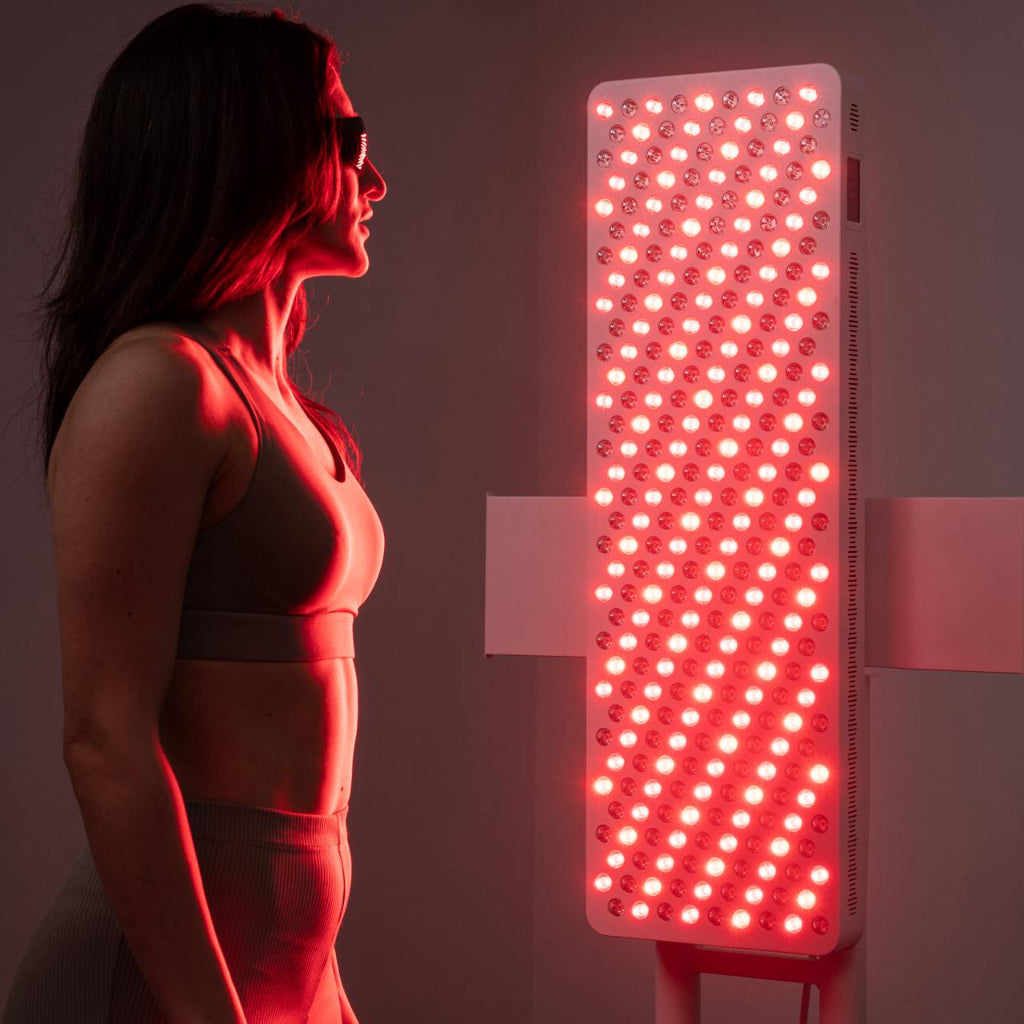
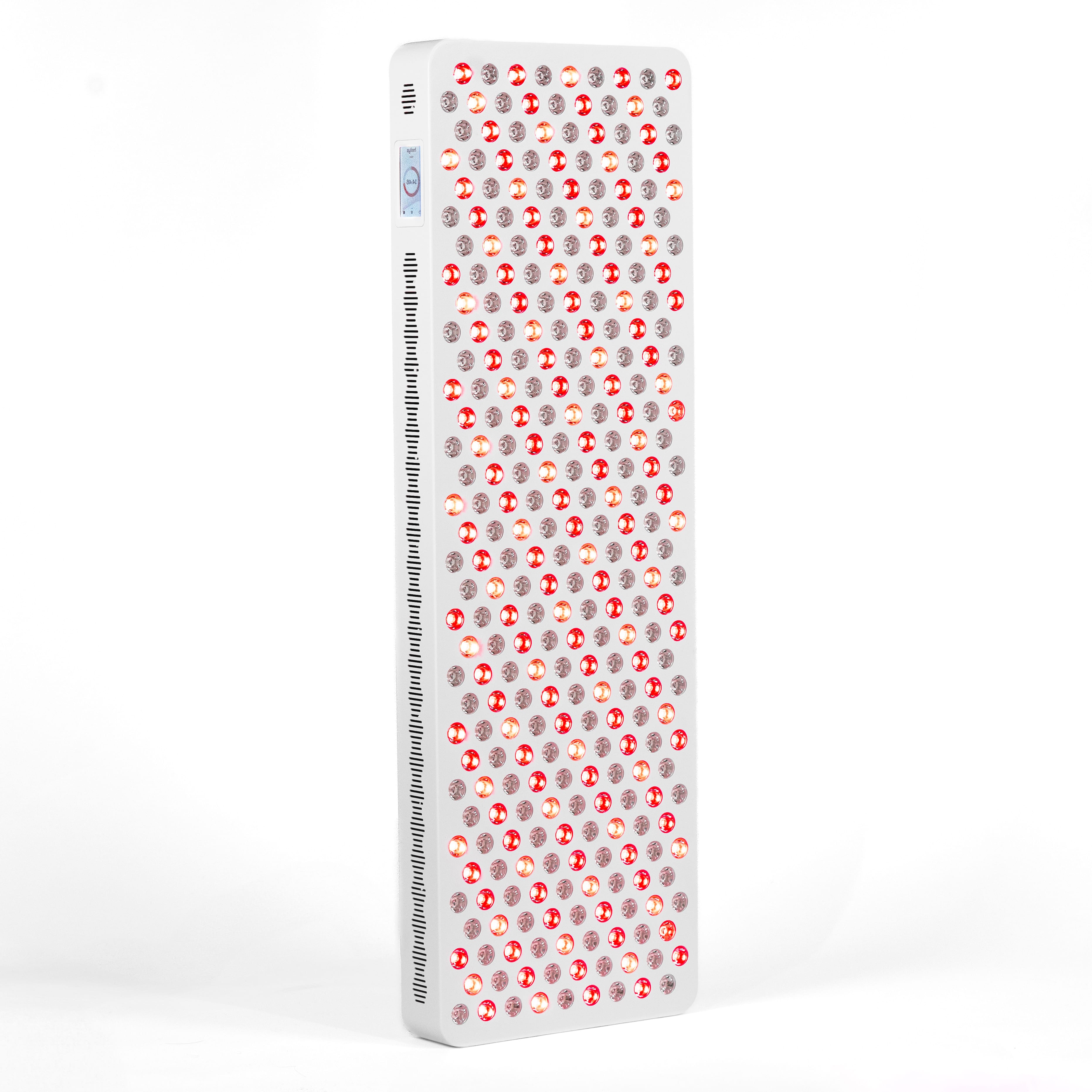
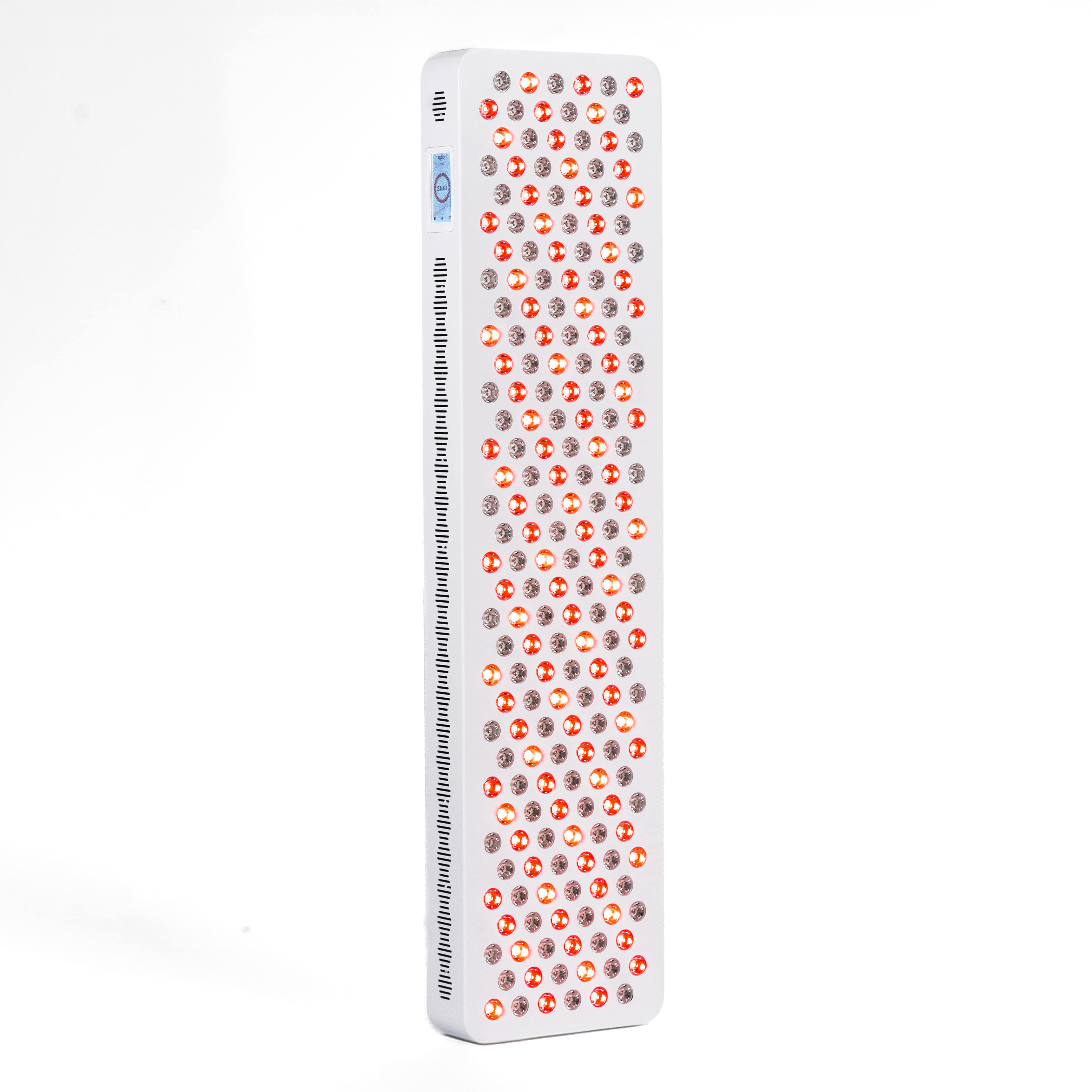
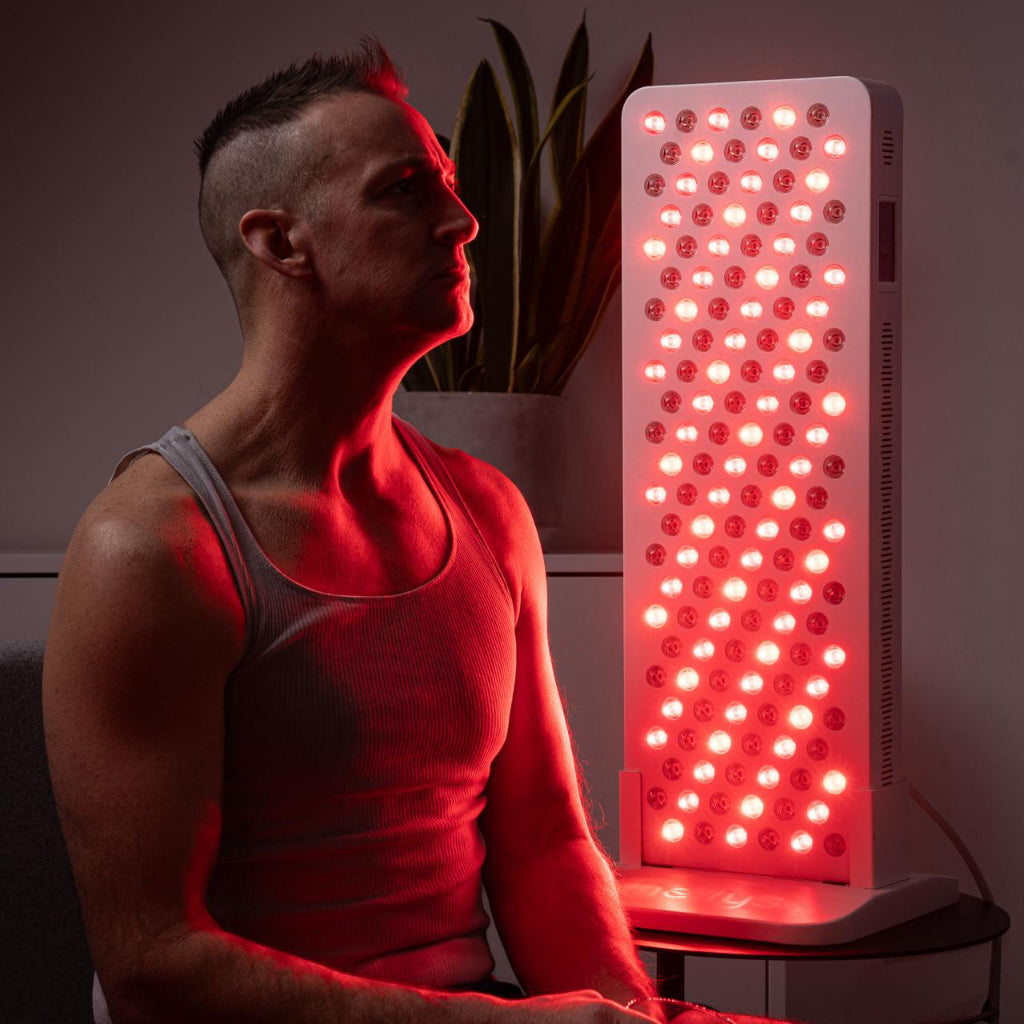
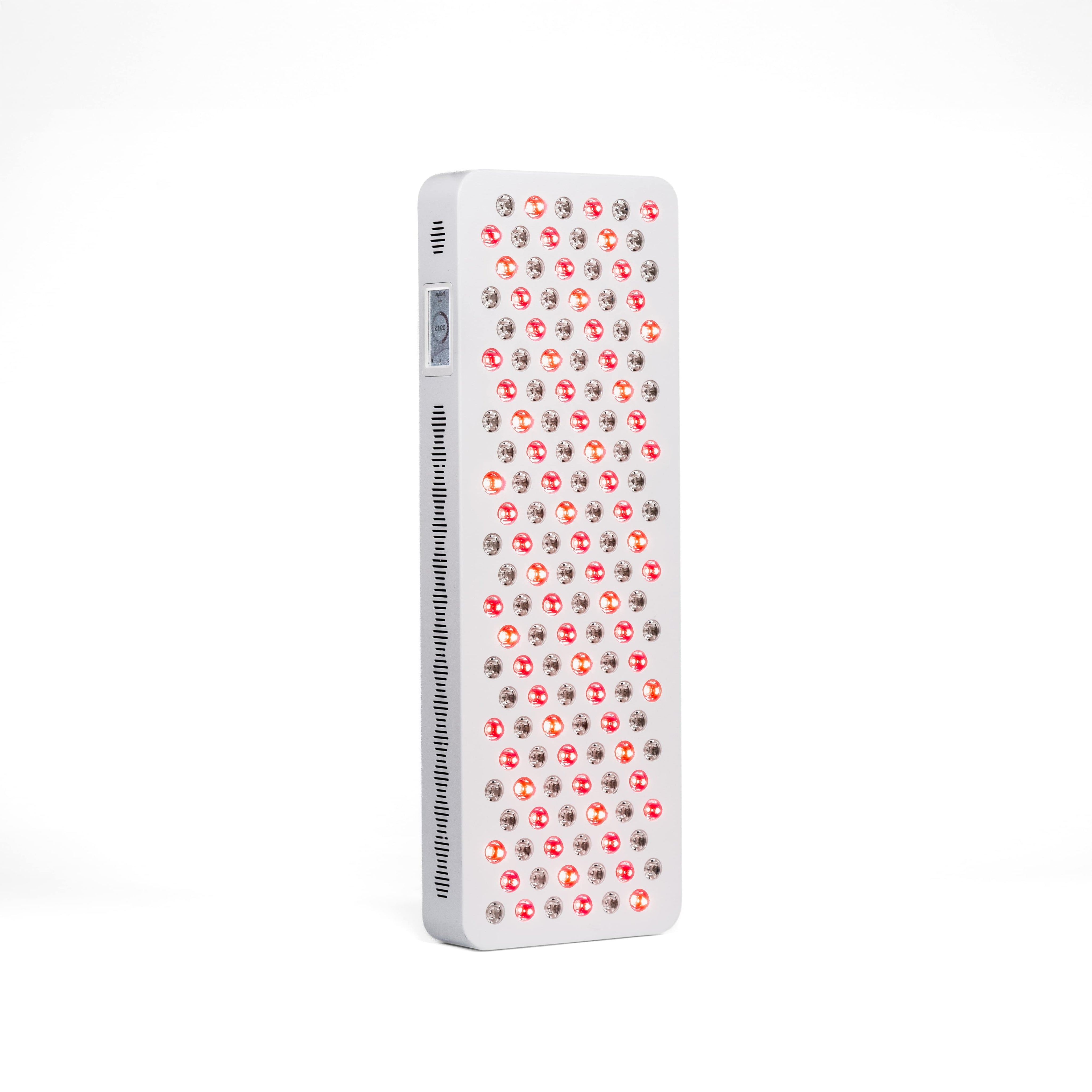
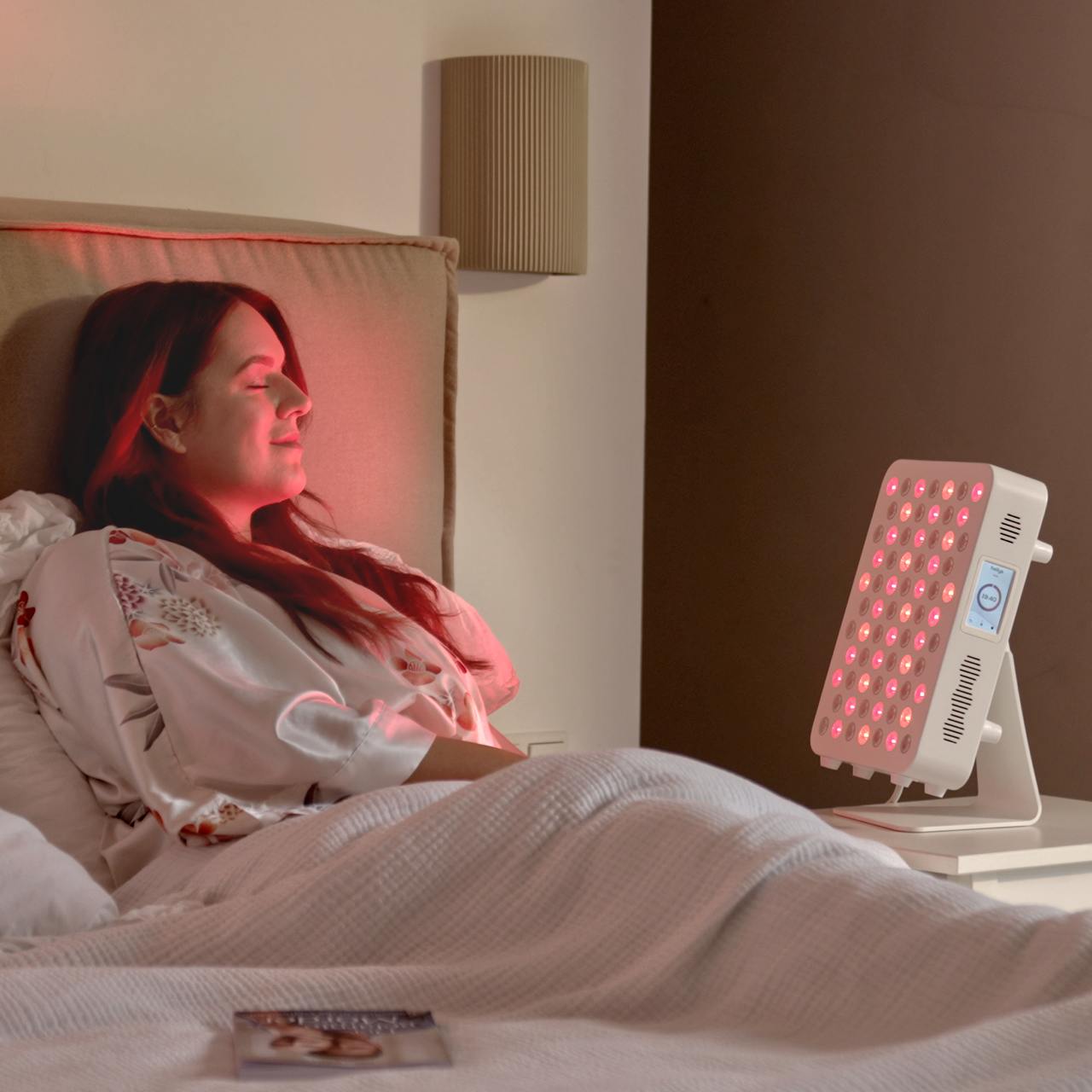
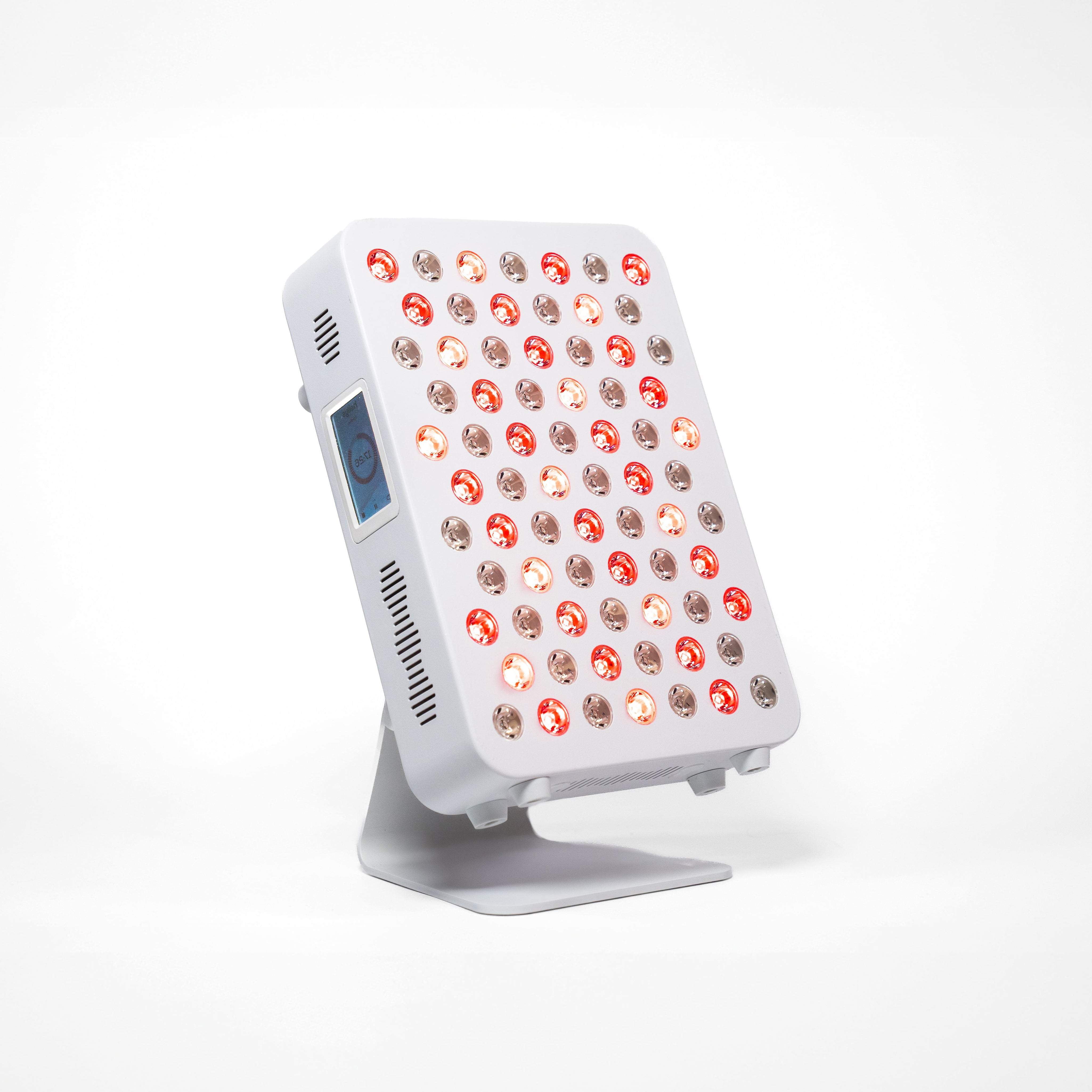
Our Gen30 lamp was specifically designed for this application. In addition to a 670 nm wavelength for a safe eye mode that allows direct viewing, it also offers additional wavelengths. This gives you maximum versatility and effectiveness, allowing you to use the lamp in all directions while still achieving the full benefits for your eyes.
Red light therapy is not a medical treatment. If you have a pre-existing eye condition, it is important to consult a specialist before using it. With patience, regular use, and the right equipment, you can do something good for your eyes – for a clear and healthy future!