

Osteoarthritis affects millions of people worldwide – approximately 595 million, to be precise. That's an incredible 7.6% of the global population. The symptoms can significantly restrict daily life, but what if there were a natural solution to alleviate pain and improve joint mobility? Red light therapy (RLT) addresses this very issue. Using the power of red and near-infrared light waves, it stimulates healing, reduces inflammation, and supports joint function. Would you like to learn how this innovative method can sustainably improve your quality of life? Then read on and discover the benefits of red light therapy!
Table of contents
- What is arthritis?
- What is red light therapy?
- How does red light therapy help with arthritis?
- Advantages over traditional methods
- Application of red light therapy for arthritis
- Conclusion
What is arthritis?
Arthritis encompasses more than 100 different diseases affecting the joints, surrounding tissues, and other connective tissues. The two most common forms are osteoarthritis (OA) and rheumatoid arthritis (RA).
Osteoarthritis or arthritis?
Osteoarthritis is another name for the degeneration of joints. Arthritis, on the other hand, is a general term for inflammatory joint diseases such as rheumatoid arthritis.
Osteoarthritis (OA) – wear and tear of the joints
Osteoarthritis is a degenerative disease in which the cartilage in the joints breaks down. This causes the bones to rub against each other, resulting in pain and inflammation.
Typical symptoms:
-Pain in the knees, hips, hands and spine
-Stiffness, especially in the morning or after periods of rest
-Swelling and restricted mobility
Common causes:
- Age
-Overweight
-Injuries
-Genetic factors
Rheumatoid arthritis (RA) – When the immune system attacks the joints
Rheumatoid arthritis is an autoimmune disease in which the immune system attacks healthy joints. This leads to chronic inflammation and long-term damage to joints and surrounding tissue.
Typical symptoms:
- Symmetrical pain in hands and feet
-Stiffness lasting longer than one hour
-Swelling, fatigue and general malaise
Risk factors:
-Genetic predisposition
-Smoke
-Certain infections
Common symptoms of arthritis
Whether it's osteoarthritis or rheumatoid arthritis – the symptoms often overlap:
-Joint pain
-Stiffness and limited mobility
-Swelling and redness
-Sensation of warmth in the affected areas
What is red light therapy?
Red light therapy is a non-invasive treatment method that uses light waves in the red and near-infrared spectrum (600–1000 nm) to promote healing processes. The light waves penetrate deep into the tissue, stimulate the mitochondria in the cells, and increase the production of adenosine triphosphate (ATP), the cells' energy source.
This therapy has an anti-inflammatory effect, improves blood circulation and promotes the regeneration of damaged tissue.
How does red light therapy help with arthritis?
Chronic pain and inflammation are often a central component of arthritis, significantly impacting the quality of life for many sufferers. Red light therapy offers an advanced method to specifically counteract these symptoms. With its ability to influence cellular processes, it promotes healing, alleviates pain, and supports the regeneration of damaged tissue. Here's how it works in detail:
Regulation of inflammatory processes
Inflammation is caused by the body's own signaling molecules known as cytokines. Certain pro-inflammatory cytokines, such as TNF-α and IL-1β, are particularly active in arthritis and cause swelling and pain. Red light therapy counteracts these processes by reducing the release of these cytokines. This helps to reduce inflammation and relieve stress on the joints.
Activation of blood circulation
Red light therapy increases blood circulation in the treated area by dilating blood vessels and improving oxygen supply. This increased blood flow helps transport nutrients more quickly to the affected tissues and remove waste products more efficiently. The result is noticeable relief for the joints and a promotion of the healing process.
Supporting cell healing
The regeneration of damaged tissue is crucial in arthritis. Red light stimulates the activity of fibroblasts, cells that play a key role in repairing tissue damage. At the same time, cell division is accelerated, which supports the formation of new tissue. This is particularly helpful in stabilizing the condition of the joints in degenerative diseases such as osteoarthritis.
Protection against harmful cell stress
Arthritis often produces free radicals, which can further burden cells and worsen damage. Red light therapy promotes the production of the body's own antioxidants, which neutralize these free radicals. This reduces oxidative stress and strengthens cell health in the long term.
Advantages over traditional methods
Unlike surgical procedures or medications, red light therapy is painless, non-invasive, and has no known side effects. It can improve joint function in the long term and slow the progression of the disease. Studies show significant improvements in pain reduction, joint mobility, and swelling.
Application of red light therapy for arthritis
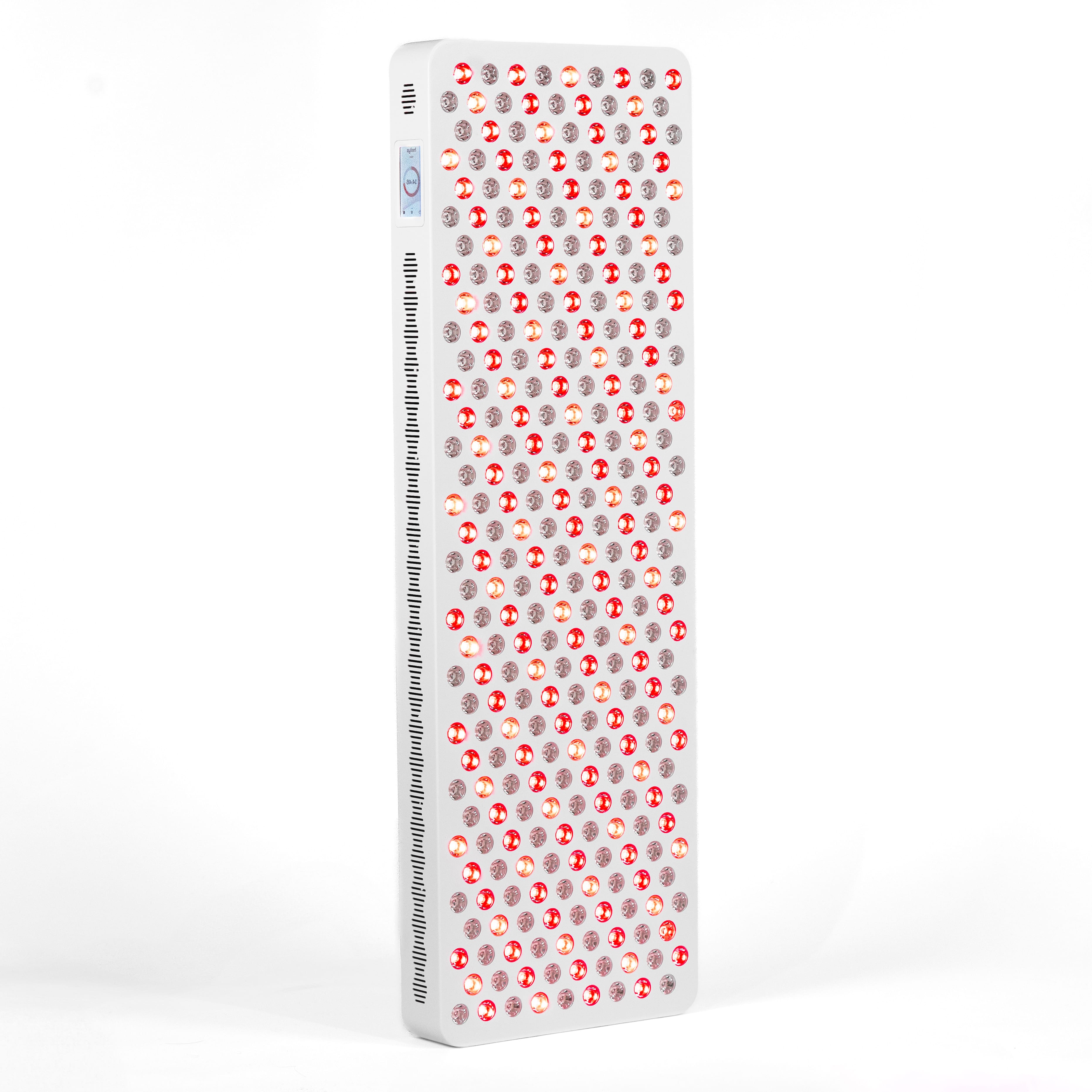
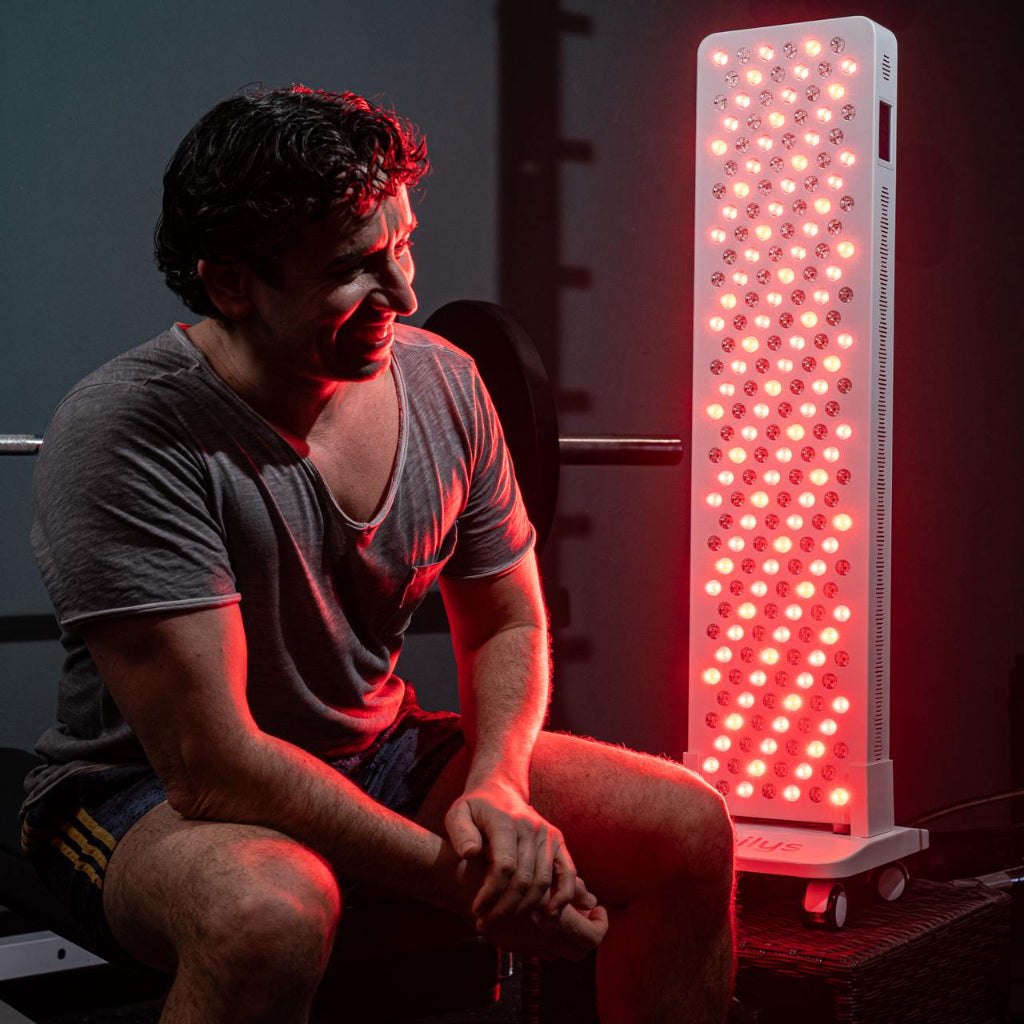
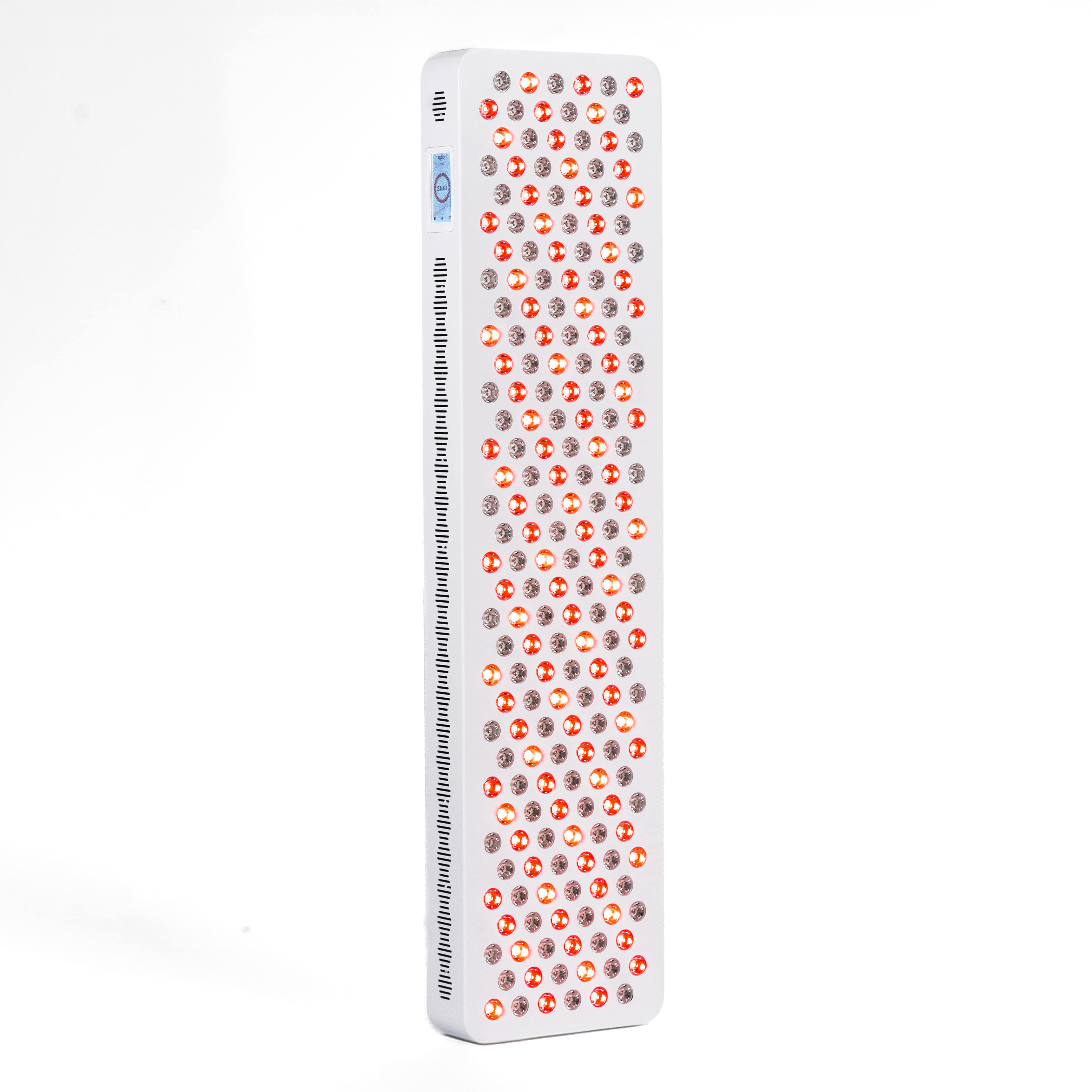
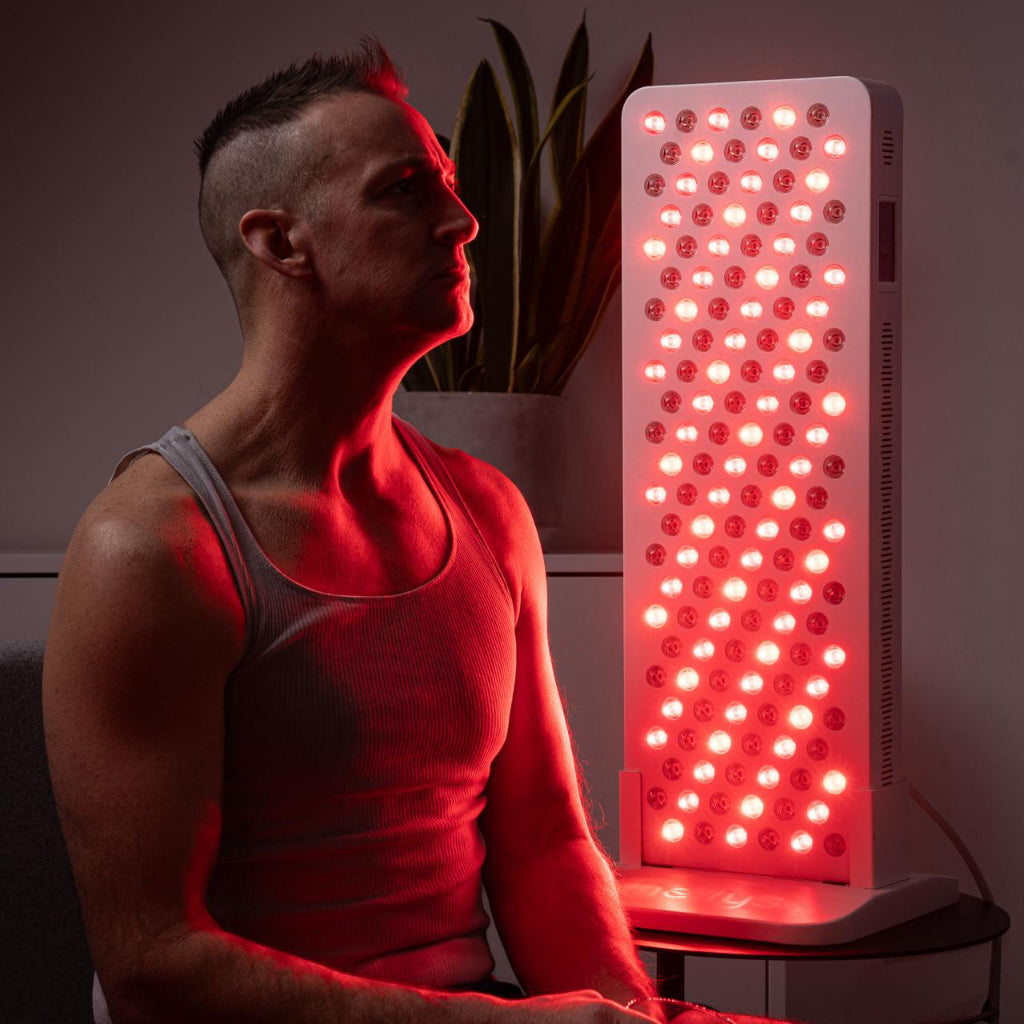
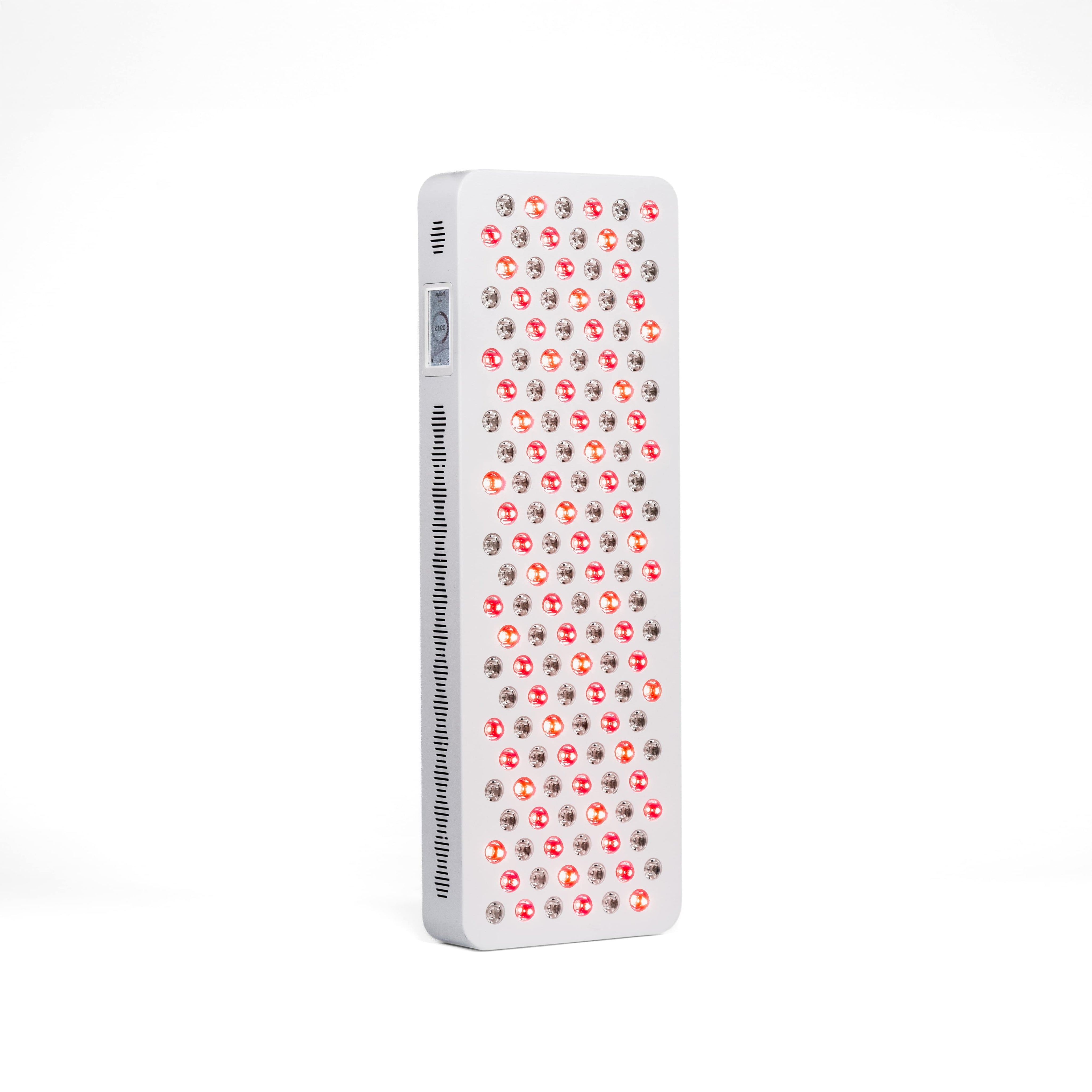
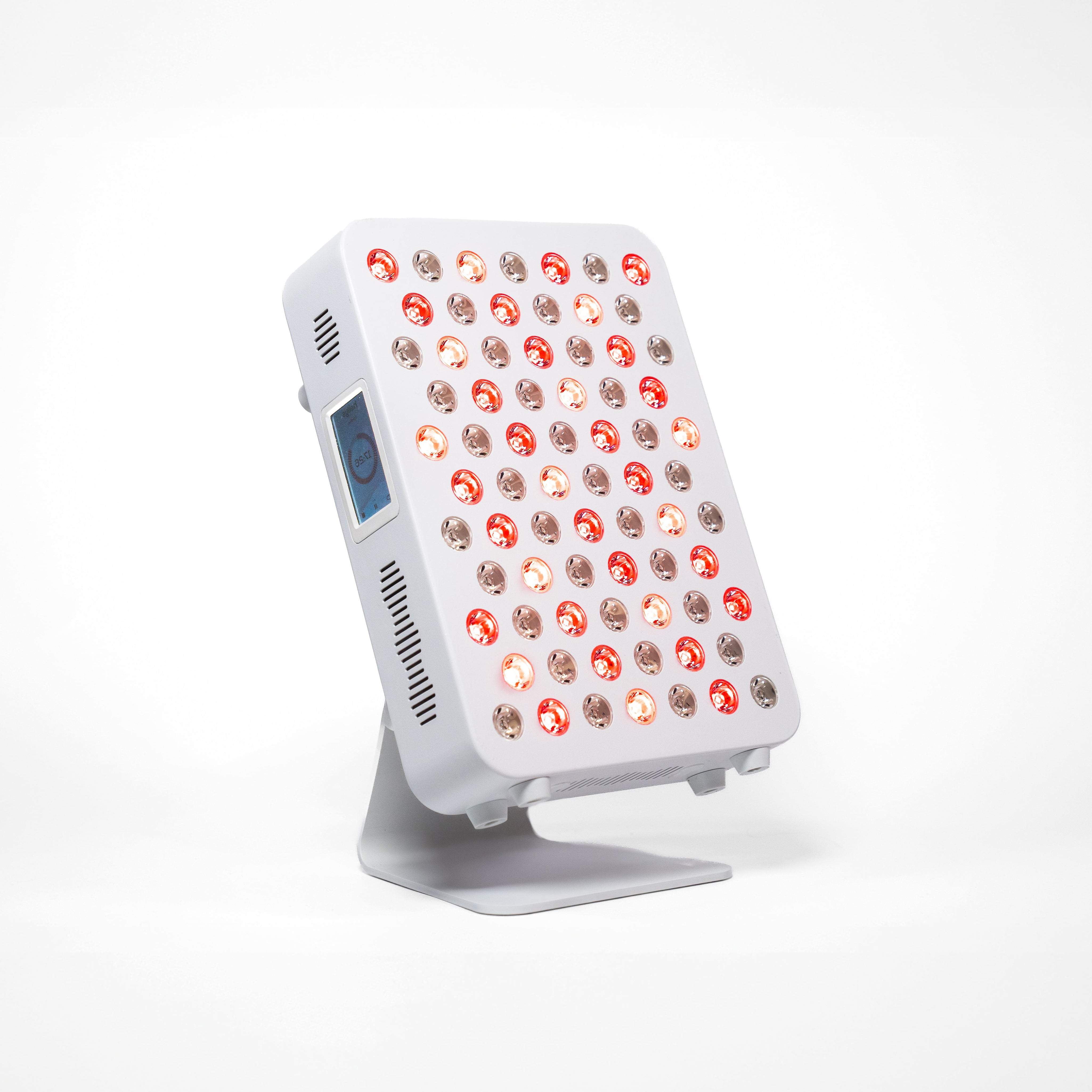
The correct application of red light therapy (RLT) can help you effectively alleviate discomfort. It's not just about having the right device, but also about using it correctly. Whether you choose a compact handheld device or a larger panel depends on your individual needs. A larger panel can be advantageous because it can treat larger areas of your body simultaneously and doesn't need to be held continuously. It's important that your device offers wavelengths in the range of 630, 660, 785, 810, 830, or 910 nm, as these have proven particularly effective in treating arthritis.
Here's how to use red light therapy step by step:
1. Preparation
Before you begin the treatment, thoroughly cleanse the affected area of skin. Remove any creams or lotions that could hinder the light from penetrating the skin. Ensure the area is completely exposed so the light rays can work unimpeded.
2. Adjust correctly
Take a moment to adjust the device for optimal use. Follow the manufacturer's instructions and adjust the wavelength and intensity of the light to your needs. For devices with multiple settings, select the wavelength recommended for arthritis.
3. Protect your eyes
It is important to protect your eyes during use. If your device does not have a built-in safety feature, use protective eyewear to shield your eyes from direct contact with the light.
4. Application
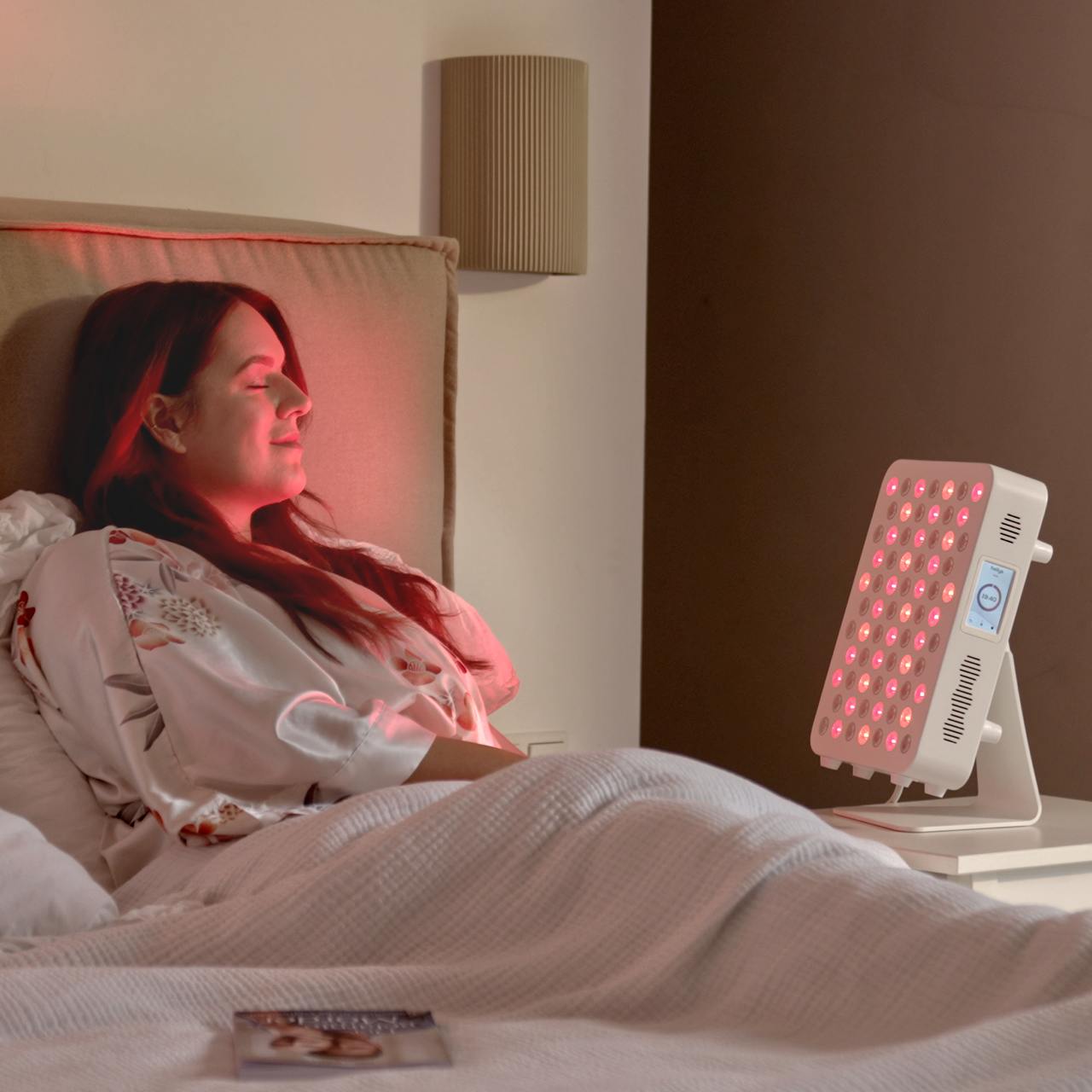
Position the device so that the light shines directly onto the affected area. Maintain the recommended distance and irradiate the area for 10 to 20 minutes. Ensure that the treatment is even and that the entire area is covered.
Regular use for optimal results
To achieve the best possible results, you should use red light therapy several times a week. Three to five sessions per week are ideal, especially if you start with shorter treatment times and gradually increase them. Observe how your body reacts and adjust the intensity and frequency accordingly.
Support through additional measures
Red light therapy is particularly effective when combined with other treatments. An anti-inflammatory diet or complementary physiotherapy can further improve the results and help you alleviate your symptoms in the long term.
Conclusion
Red light therapy is an effective and scientifically proven method for relieving arthritis symptoms. It reduces pain, improves joint function, and supports natural healing. Discover now how red light therapy can change your life!
Visit our shop to find the right device for your needs.