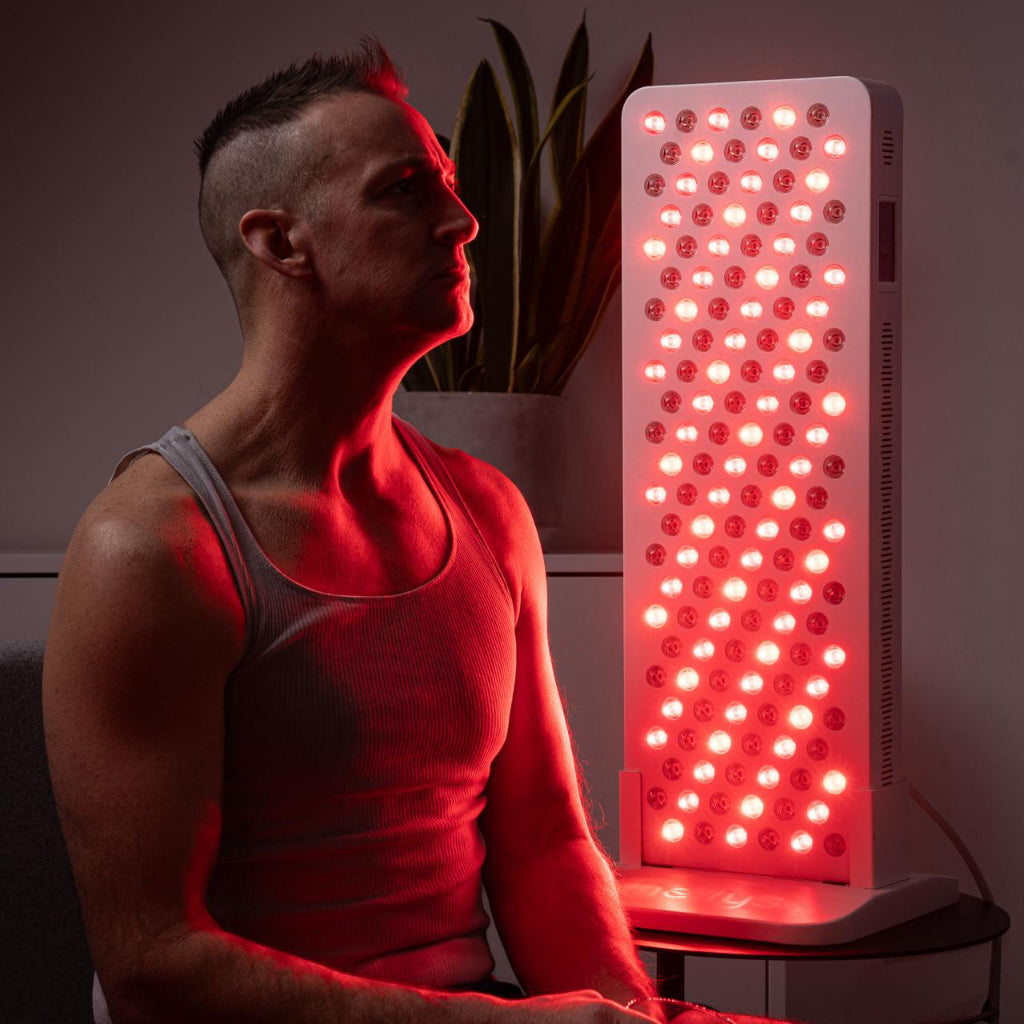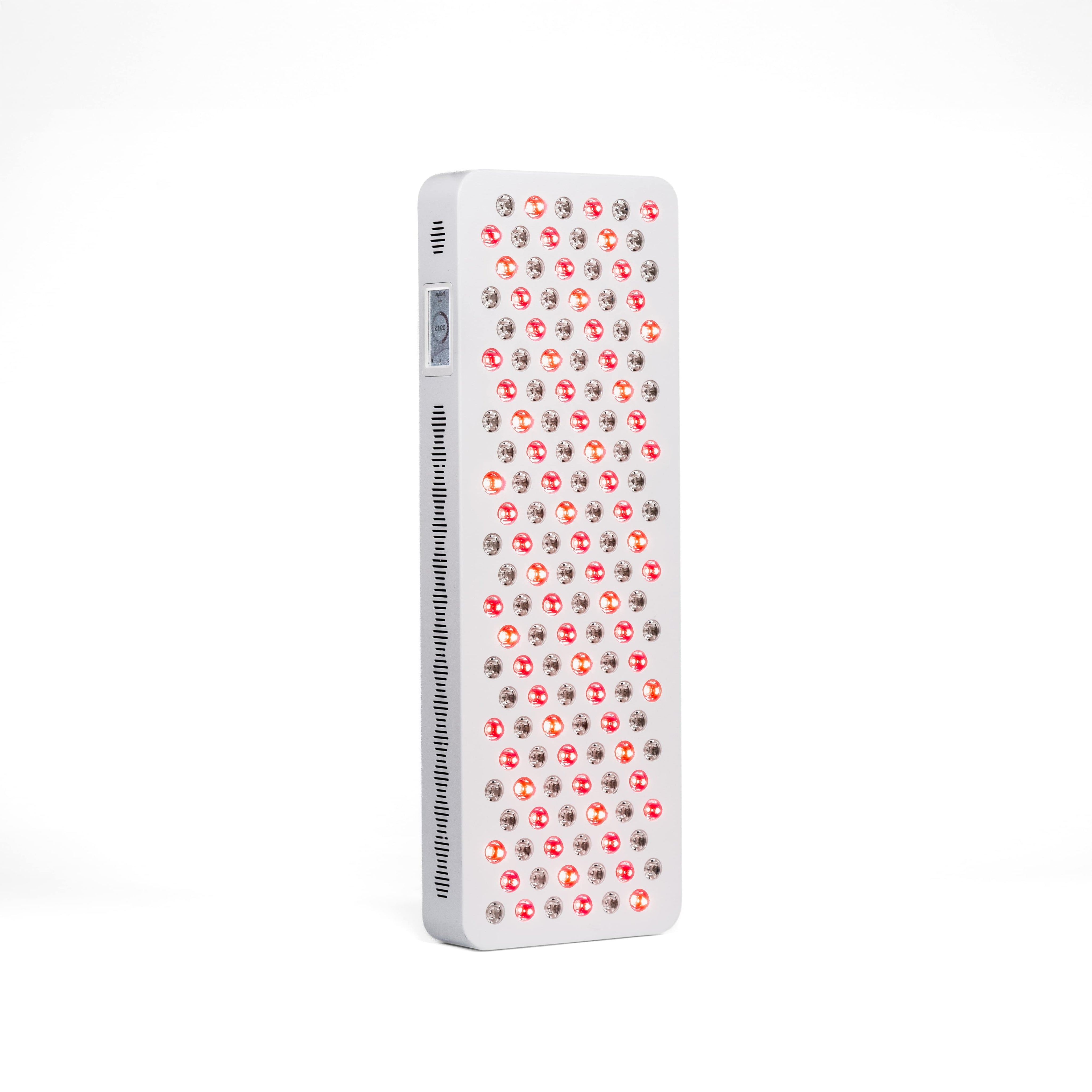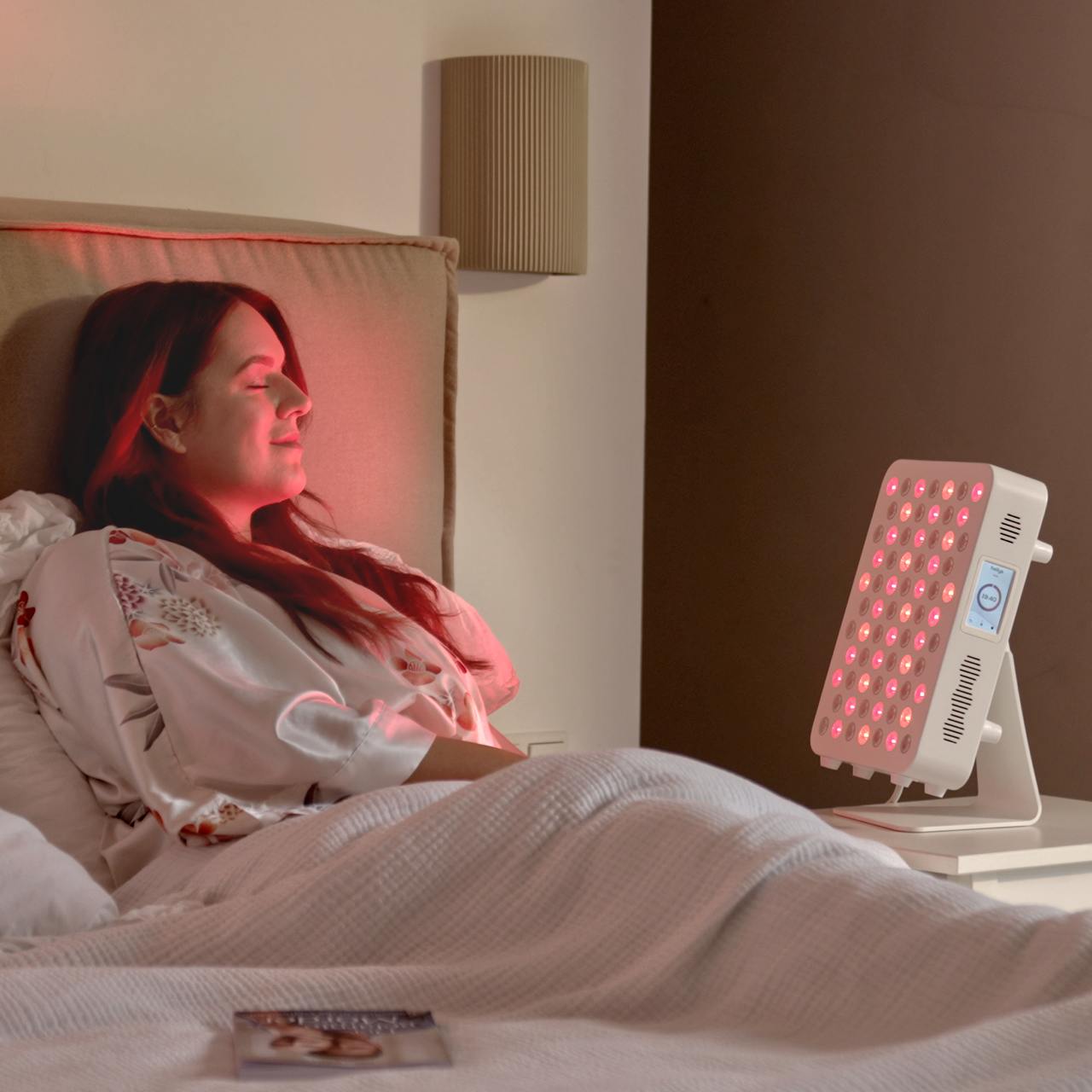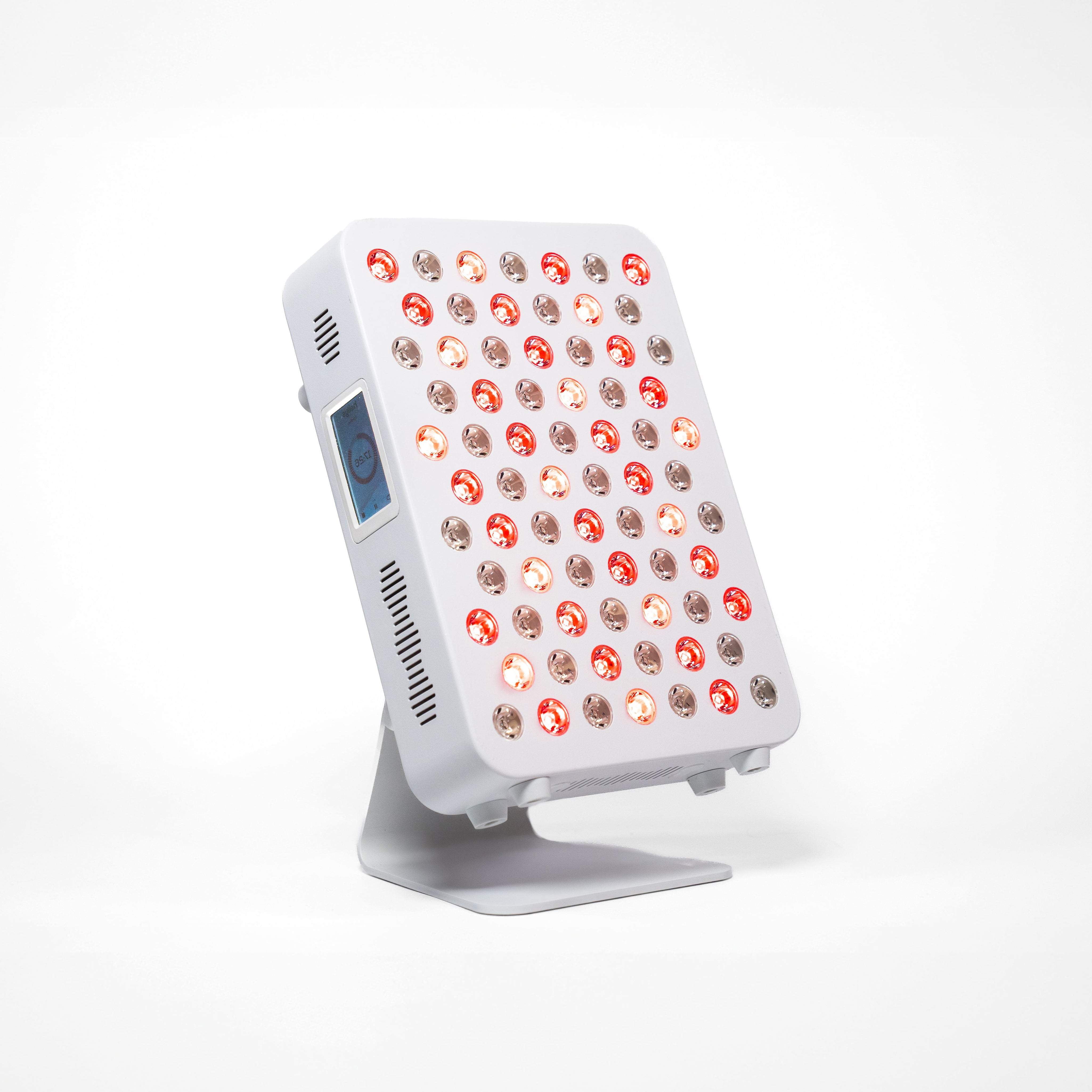


Whether in the gym, the spa, or at home: applications using light and heat have been booming for years. Near-infrared lamps are among the most exciting developments because they not only generate heat but also work with specific wavelengths. But what is the difference between them and classic heat lamps – and what makes modern LED technology so special?
Classic heat lamp vs. modern LED red light therapy
When people talk about near-infrared lamps, many think of the classic heat lamps from the drugstore. These devices work like small radiant heaters: they emit infrared radiation, which feels like warmth on the skin's surface. Many find this pleasant, but the technology has remained unchanged for decades.
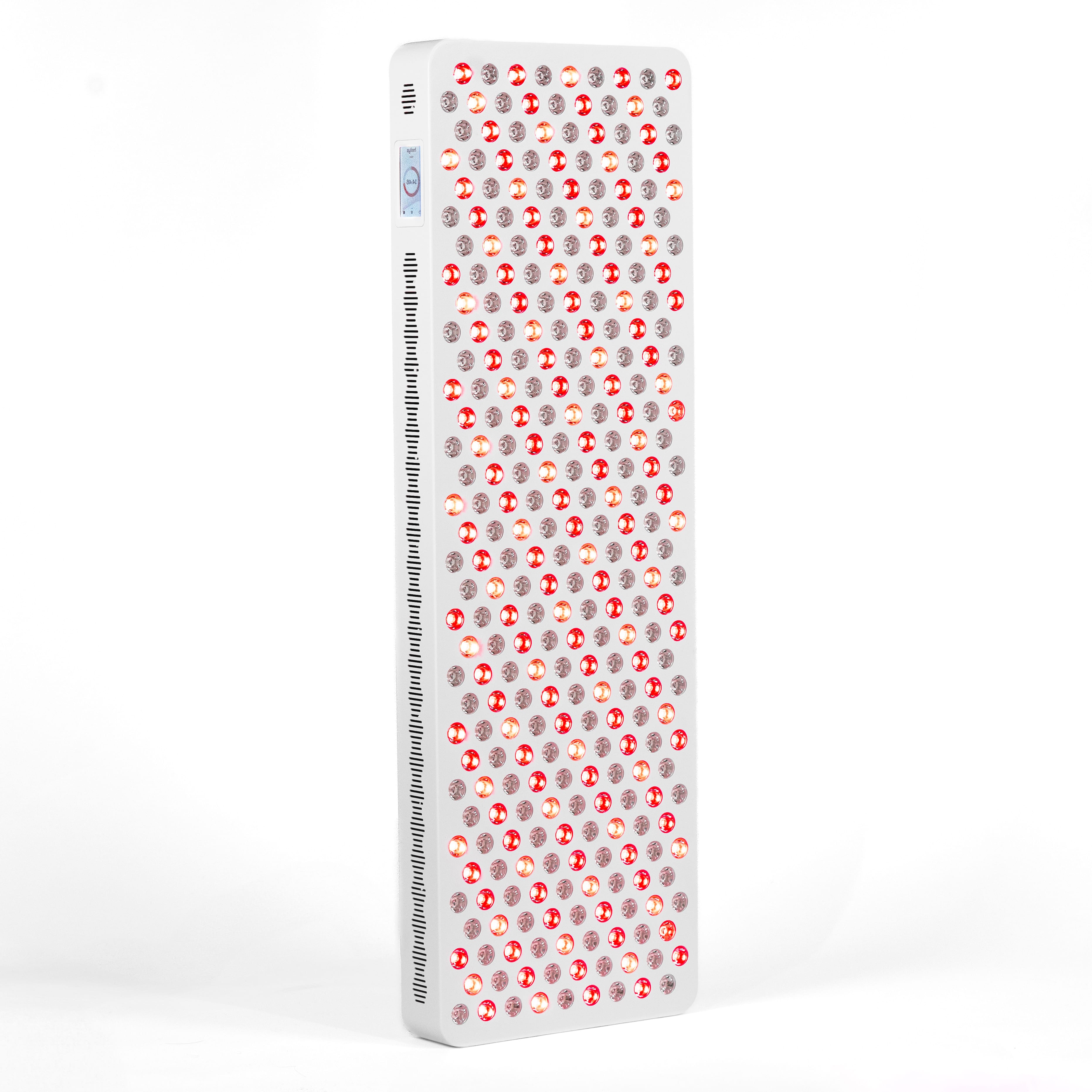
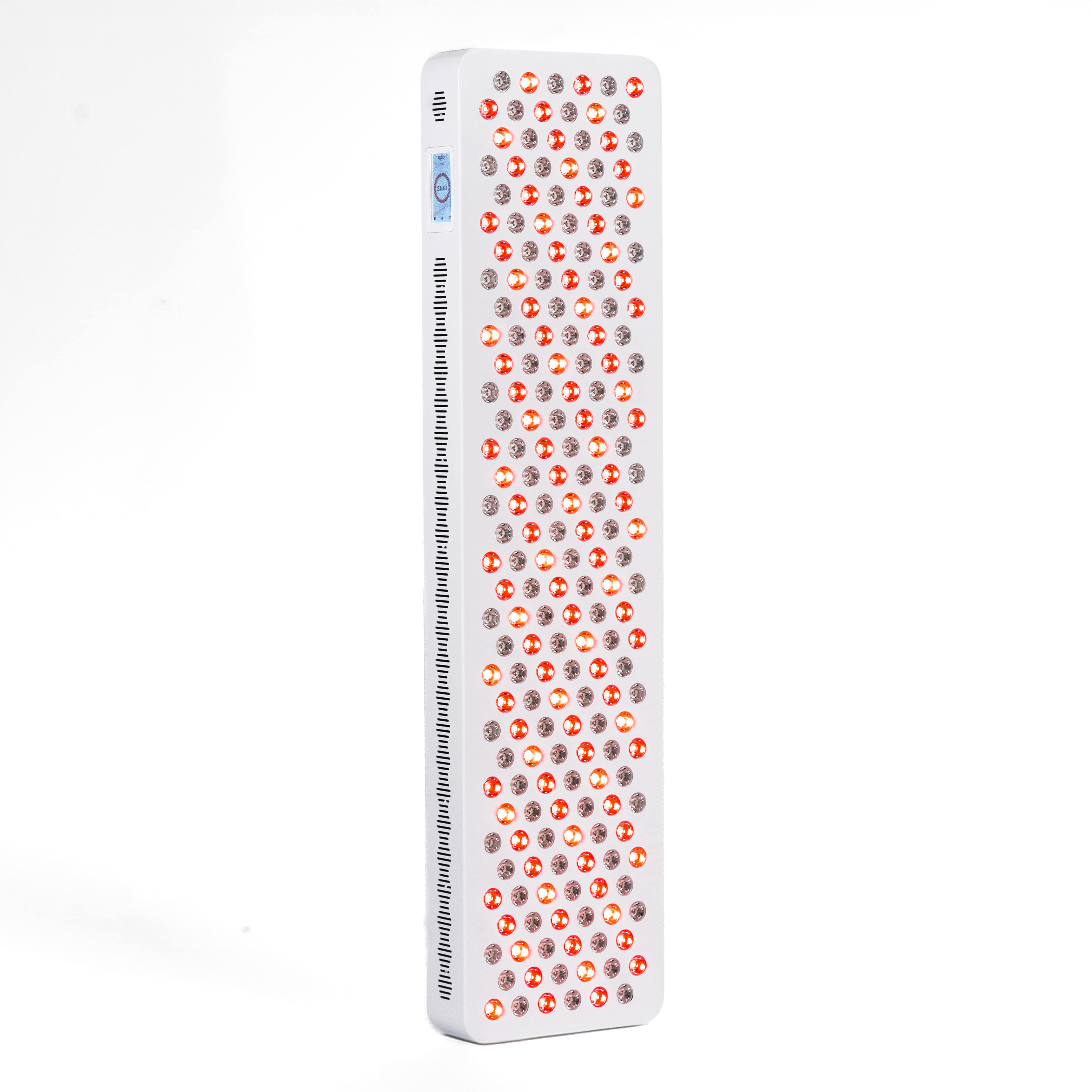
In contrast, modern LED panels work specifically with wavelengths within the therapeutic window (600–900 nm). Instead of simply emitting heat, they utilize light that penetrates at varying depths. Users report that these applications feel more versatile and intense.
Near-infrared red light therapy – more than just warmth
The combination of red and near-infrared light is often referred to today as near-infrared red light therapy. While red light (600–700 nm) penetrates only a few millimeters into the skin, near-infrared light (700–900 nm) reaches significantly deeper structures – such as muscles, tendons, or even nerve pathways.
It is precisely this combination that makes modern devices exciting: they not only work on the surface, but can also target deeper tissues.
Why Heilys combines multiple wavelengths
Heilys deliberately uses a spectrum of different wavelengths – such as 630, 660, 670, 810, 830 or 850 nm. This allows them to target both superficial skin areas and deeper structures.
- Blue light (approx. 415 nm): superficial, e.g. for skin problems
- Red light (600–700 nm): 1–3 mm penetration depth, for skin surfaces and regeneration
- Near-infrared (700–900 nm): deeper structures such as muscles or tendons
Scientifically interesting: These wavelengths stimulate the enzyme cytochrome c oxidase, which can boost energy production (ATP) in cells. This is one of the reasons why this part of the light spectrum is being studied as particularly effective.
Everyday use – uncomplicated and versatile
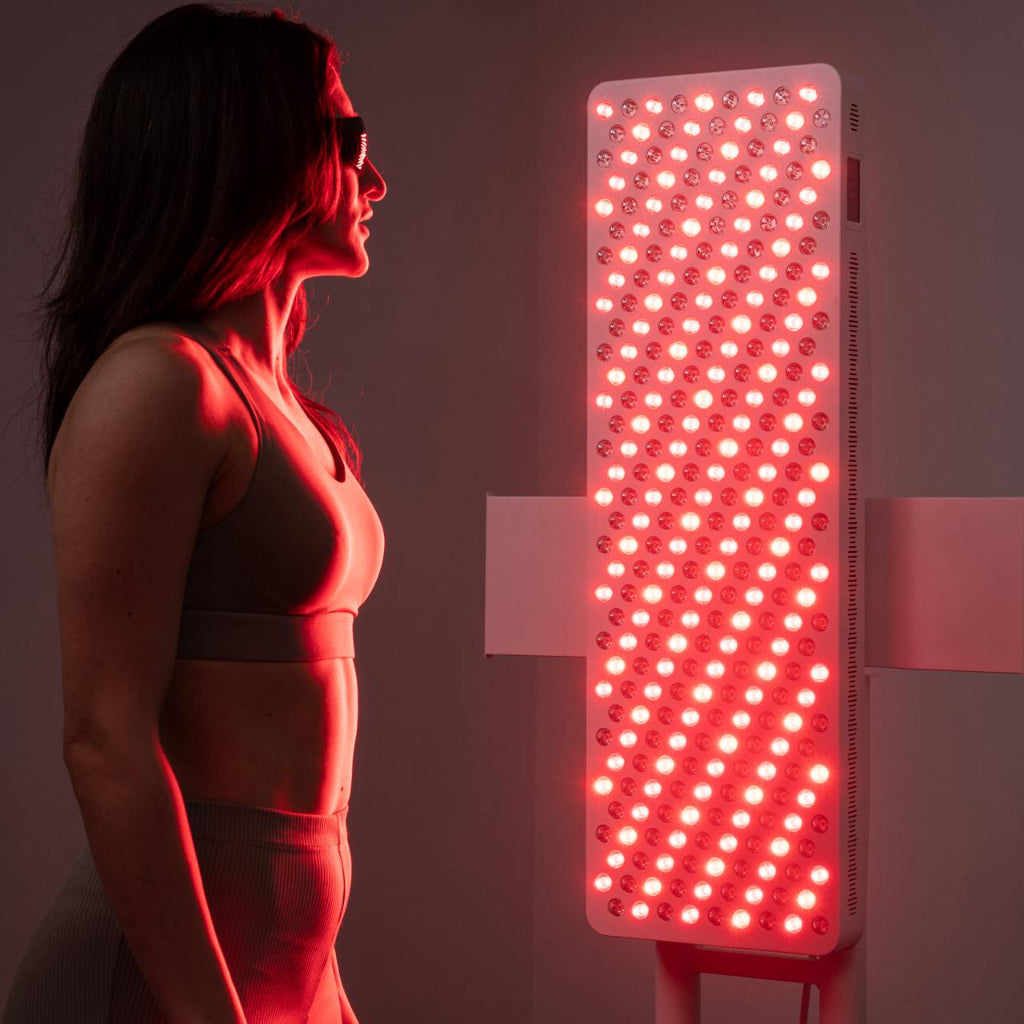
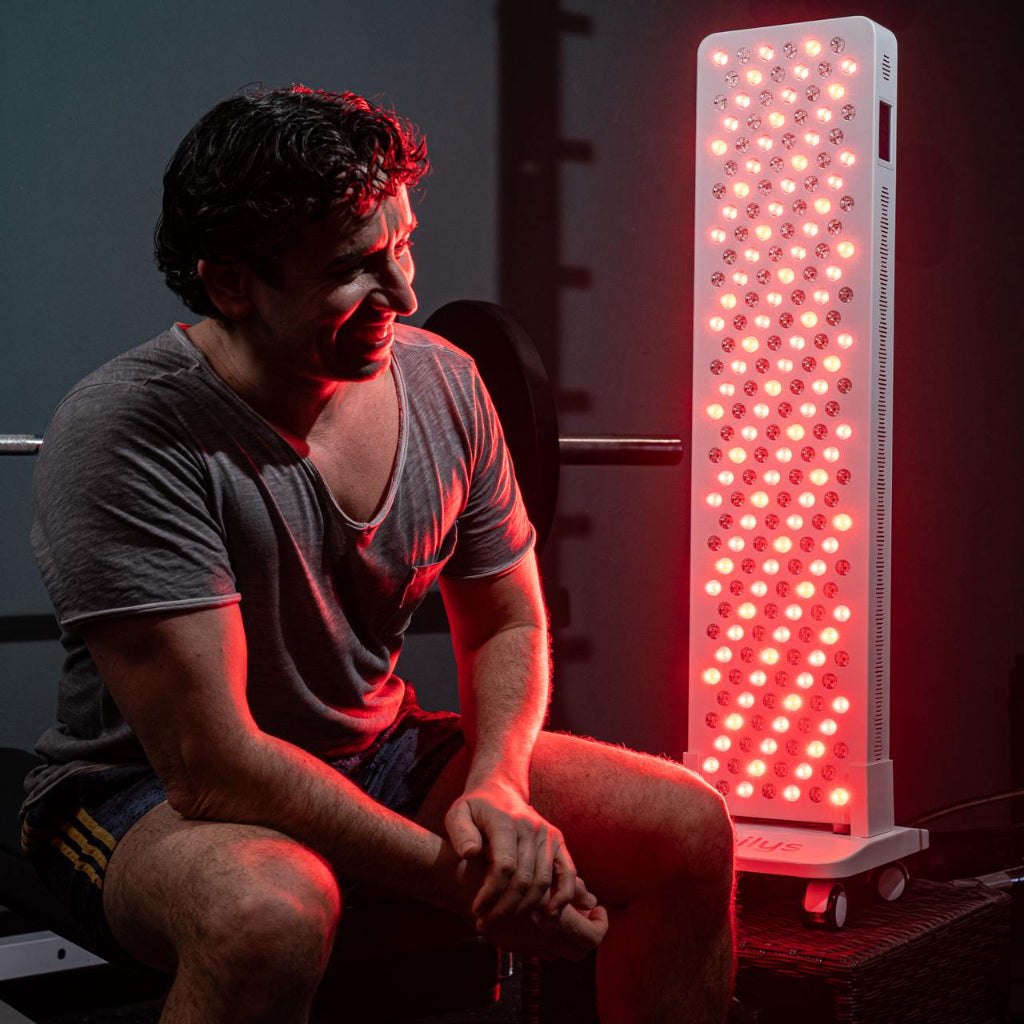
A modern near-infrared lamp is easy to use in everyday life. Whether after a workout, during a short break in your home spa, or in the living room – it's easy to use: turn on the lamp, keep your distance, close your eyes, and enjoy a few minutes.
Many users report experiencing the beneficial effects after only a short time. Whether applied superficially to the skin or deeper into the tissue, regular sessions of 10 to 20 minutes are considered typical.
Effect and legal notice
Red light therapy with LED panels is described as pleasant by many people and has shown interesting effects in studies. Nevertheless, it should be noted that Heilys products are not classified as medical devices and do not replace medical treatment. They are intended as a complementary measure, not as a cure or preventative method.
Conclusion: Near-infrared lamps as modern companions
A near-infrared lamp is more than just a heat emitter. It represents a new generation of lighting applications – technically precise, versatile, and tailored to different wavelengths.
Anyone who values innovative, flexible applications today will find modern LED panels to be an exciting companion for everyday life, sports and relaxation.